Aṣṭāvakra Saṃhitā
A Dialogue on Self-realization

Chapter 20
Order Now 
The chapter presents King Janaka speaking from the direct realization of the Self. Resting in his own spiritual nature, he declares that there is no body, senses, mind, gross or subtle elements, nor even dispassion. Established in the Self as the ‘I’, he dismisses every concept and proposition as inapplicable to the Self.
Janaka negates scriptures, self-knowledge, mind, contentment, desirelessness, knowledge, ignorance, bondage and liberation. He rejects even prārabdha and the notion of jīvan-mukti, for the Self is untouched by the body and its plights. Where there is no doer or experiencer, there can be no action, result, activity or non-activity. His repeated denials reveal the limitless freedom of the Self.
He further rejects all notions connected with mind, intelligence and ego. For him there is no world, seeker, yogi, knower, bondage, liberation, creation or attainment. Knowledge, the knower and the process of knowing dissolve into one homogeneous Consciousness. The Self alone remains.
Janaka reaches the zenith of negation to reveal the absolute, indivisible nature of the Self. Having fully absorbed his Guru’s teaching, he declares that there is no instruction, scripture, teacher, disciple or pursuit. King Janaka states that there is neither existence, nor non-existence, in the context of the Self; it alone shines in its sovereign and incomparable effulgence.
In me unblemished by nature, where are the gross and subtle elements, where is the body with sense organs either, or even the mind? Where is any void, or where is dispassion too?

For me, from whom dvandvas have gone for ever, where is any place for scripture, where is Self-knowledge, where is the mind clinging to objects either? Where is contentment, where is desirelessness?
Where comes knowledge, or even ignorance? Where comes the ‘I’, where is any ‘this’? Where is ‘mine’? Where is bondage, where is moksha too? For the Self that I am, different from all else known, can a quality or nature ever be attributed?
For one always above all kinds of distinction where are prārabdha karmas, where is either jeevan-mukti, liberation while alive? Where is that videha-mukti, liberation when the body falls?
For me with no identifiable nature, where is any doer, where is experiencer either? Where is stillness or non-activity and thinking and allied displays either? Where is direct knowledge, where is reflected knowledge either?
In the non-dual ‘I’, which is my nature, where is world, where is the seeker of liberation, where is a yogi, where the Knower either? Where is one in bondage and where the liberated either?
In the non-dual ‘I’, which is my nature, where is creation, where is this metam-psychosis, where is the attainable and where is the means for it? Where is the seeker, where is attainment also?
For me who is always pure, where is the Knower, where is the means to know, where is the knowledge to be gained, where is knowledge itself? Where is something, and where is nothing even?
For me, always a non-doer, where is distraction and where is concentric absorption, where is fullness of knowledge and where is delusion? Where is joy and where is grief?
For me not indulging in any discursive thoughts, where is any relative interaction, where is any absoluteness? Where is happiness and where is unhappiness either?
For me always pure, where is māyā, where is worldliness too? Where is contentment, where is discontent either? Where is the living soul, jeeva, where is Brahman, the supreme reality too?
For me the unshakeable and indivisible, resting well in my own sovereign Self, where is active involvement or non-activity? Where is liberation, where can be bondage?
For me, who has no adjunct, who is auspicious, where is an instruction to follow, where is scriptural injunction, where is any disciple or even Teacher, where is any object of pursuit?
Where is existence, where is non-existence? Where is the one, and where are the two? Of what use is too much talk, nothing arises from me.


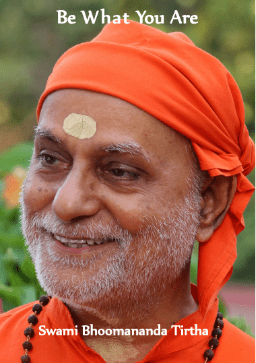
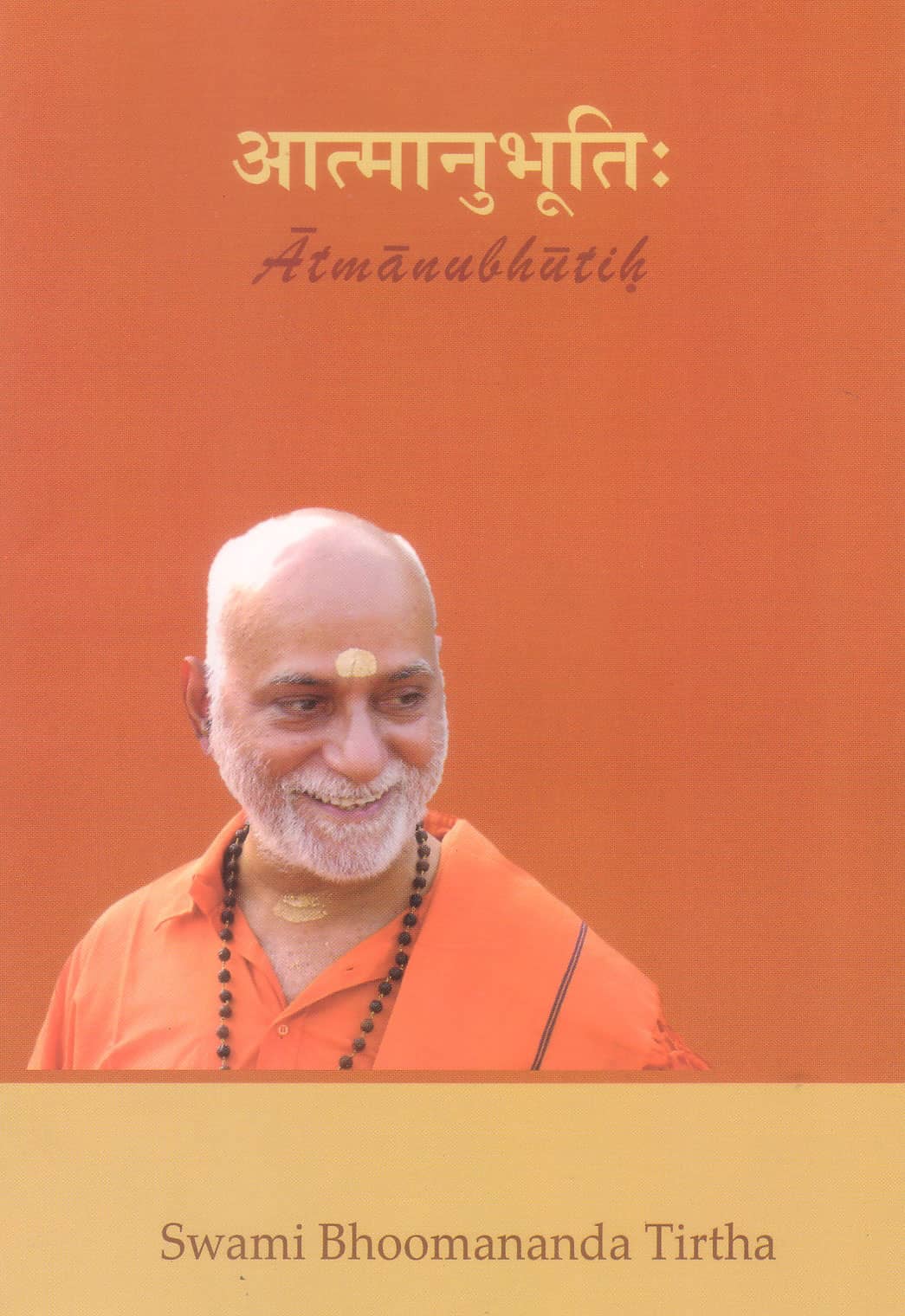



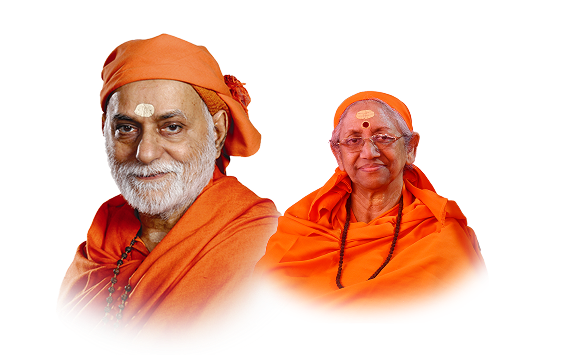
Experience a beautifully designed reading journey with authentic commentary by Poojya Swami Bhoomananda Tirtha.