Aṣṭāvakra Saṃhitā
A Dialogue on Self-realization

Chapter 20, Verse 1
Order Now 
In me unblemished by nature, where are the gross and subtle elements, where is the body with sense organs either, or even the mind? Where is any void, or where is dispassion too?
For all the negations king Janaka makes, the sole ground is the Self in the body, he realizes directly, as the ‘I’. Understand that every moment, we are experiencing. It may be sensory experience, mental, intellectual or even ego-based. But it is all personal, first-hand, needing no further proof or confirmation.
When your eyes see an object, it is the final in visual perception. Likewise, your experience of thought, emotion, knowledge, etc., is also final. The only further effort needed is the inner deliberation to question and enquire into it for confirmation. Such rational analysis and finding mark the final say in the matter.
The Self is different from the body. So, it is not the least affected or tainted by the body and senses, and what all they do, bring or undo. This is the basic note of understanding the seeker has to sift matters and arrive at. When you are resting on your own spiritual nature, where are the body and senses, except as notions inside? Can notions imply or create gross external objects? Equally so, void is but conceptual, not verily there. Even dispassion is a mere notion, opposite of passion. Drop it all. Be free, unconditioned, unblemished ever!





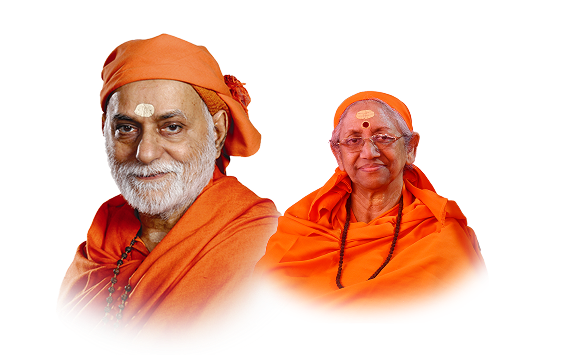
Experience a beautifully designed reading journey with authentic commentary by Poojya Swami Bhoomananda Tirtha.