Aṣṭāvakra Saṃhitā
A Dialogue on Self-realization

Chapter 17
Order Now 

The Sage continues to describe the inner fullness and contentment of the Knower, who naturally becomes free of all concerns and cares. Sage Ashtavakra clearly states that the key for fulfilment is contentment, calm and aloneness. For the self-knower, there is uniformness, sameness, and singularness of the Self everywhere. He does not dwell in the past, nor crave for things not yet enjoyed. He neither desires enjoyment nor liberation. Freed of these, he dwells ceaselessly in the Self, without preference or aversion for dharma, artha, kama, moksha, life or death.
The knower neither wishes for the world’s dissolution nor has intolerance for its continued prevalence. He lives comfortably with whatever he receives. Fulfilled by knowledge, the ever-contented man lives and interacts like all others in the world. He has neither desire nor dispassion. Liberated from all desires, he abides in the Self. The liberated man neither hates sensory objects nor indulges in them. With a mind free from delusional clinging, he enjoys whatever the passage of time brings or brings not.
Sage Ashtavakra again points out that the great soul of spiritual wisdom lives and moves like ordinary people. He is free of actions and non-actions, abiding in equanimity and inner poise. He neither praises nor blames, neither exults nor becomes intolerant. Free of ego, clinging, likes and dislikes, he remains self-seated and active without possessiveness. He reaches an indescribable state of fullness wherein the mind itself has fallen, become extinct.
Ashtavakra said: By him is gained the result of knowledge, so too the outcome of yoga, who is contented in heart, whose senses are calm and whoever rejoices in being alone.

The Knower of Truth does not ever lament in this world. Because this whole Universe is filled with himself, his Self.
No sense objects delight the least the one who exults in his Self, like the tender leaves of the neem tree (of bitter taste) do not please the elephant who relishes the tender leaves of sallakee tree (Indian olibanum).
Rare in the world is the one who does not dwell in the delights he has enjoyed and also remains desire-free about delights he has not enjoyed.
Here in the world both – one desiring sensual enjoyment and one yearning for liberation – are seen. That high-soul who does not desire enjoyment as well as liberation is indeed very rare.
A liberal minded person has neither fascination nor aversion for dharma, artha, kāma and moksha as well as life and death.
With neither any desire for the world’s dissolution nor any intolerance towards its continued prevalence, the fortunate soul lives comfortably with whatever subsistence comes by his way.
Fulfilled thus by this knowledge, intelligence having fallen, the ever-content one lives happily, seeing, hearing, touching, smelling and eating, like the others.
One in whom the sea of worldliness is dried up, has a care-free look, objective-less action, un-functional senses. He has neither desire nor dispassion.
He is not awake, is not asleep; he does not open his eyes nor closes them. Ah, for the one liberated, everywhere is the supreme state of illumination!
He is seen everywhere as Self-abiding, everywhere of pure mind. Liberated from all desires, he is liberated indeed and shines everywhere in his own lustre.
Seeing, hearing, touching, smelling, eating, taking, speaking, walking, the great soul, free of all actions and non-actions, is liberated indeed.
He does not blame or praise, does not rejoice or get angry, does not give or take anything. With no clinging to anything anywhere, he is liberated in full.
Seeing an amorous woman by his side or death close by, the high-souled one is not the least perturbed. Quite poised in the Self, he is liberated indeed.
In happiness and unhappiness, in man and woman, in prosperity and calamity, the wise one with equal vision feels nothing special.
Neither harmfulness nor compassion, neither insolence nor undue humility, neither wonder nor agitation befalls the wise in whom worldliness is exhausted and human-hood transcended.
The liberated soul hates not the sensory objects, nor does he indulge in them. With a mind free from delusional clinging, he enjoys whatever the passage of time brings or brings not.
Seated as it were in absolute aloneness, the one of void-full mind knows not the distractions of contemplation and non-contemplation as well as likes and dislikes.
Devoid of ego or possessiveness, resolving well that nothing in reality exists, all desires having fallen off, even if the Knower acts immensely he does not in reality.
The Knower reaches an indescribable sublime state of fullness freed from mentation, delusion, dream and inertness, a state wherein the mind itself has fallen, become extinct.


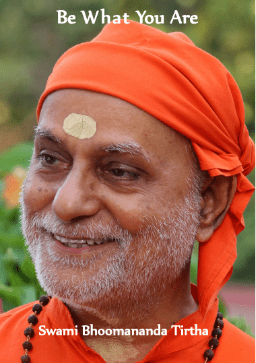
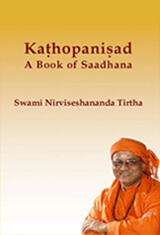
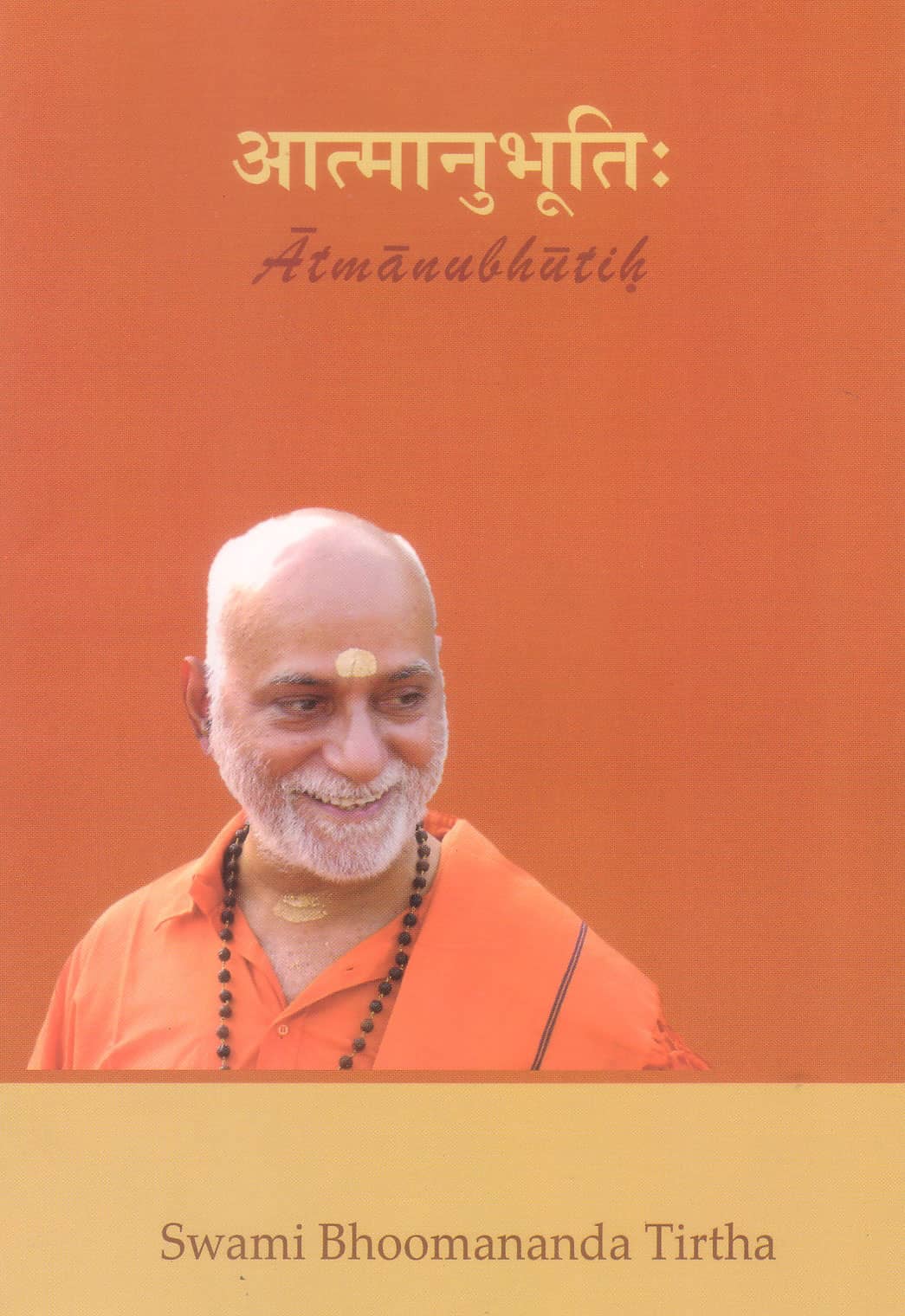


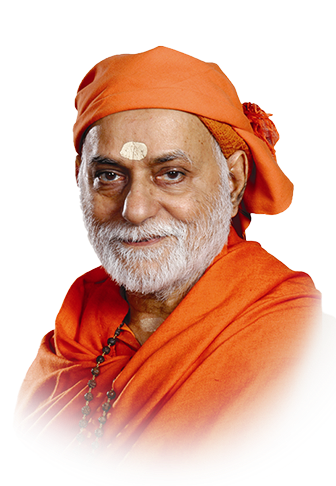

Experience a beautifully designed reading journey with authentic commentary by Poojya Swami Bhoomananda Tirtha.