Aṣṭāvakra Saṃhitā
A Dialogue on Self-realization

Chapter 12
Order Now 

This chapter presents King Janaka declaring the transformation brought about by hearing his teacher. He becomes indifferent to bodily activity, speech and thought, resting instead in his own inner spiritual vastness. With no cause for distraction, the mind becomes single-pointed and abides in the inner essence.
Janaka explains that the practice of samadhi becomes relevant only where manifoldness is perceived. For one established in Oneness, indulgence in samadhi becomes unnecessary. Finding nothing to reject or accept, he remains poised within himself, free from inner conflict.
Extending this vision of indifference and non-duality, Janaka eschews all āśramas, meditation, and the tendencies of acceptance or avoidance. He recognizes that both action and cessation of action belong to ignorance. Knowing this, he abides steadily in the Self alone.
Janaka further states that even thinking about the unthinkable Self remains part of the thought process. Through discrimination, he becomes indifferent to thinking itself. Having done the requisite jñāna-sādhanā (wisdom-pursuit), he feels fulfilled, with nothing further to attain.
Janaka said: First intolerant of all bodily activity, thereupon of extensive speech, then equally of all indulgences in thoughts and imaginations. Thus indeed do I firmly dwell.

In the absence of any delight in sensory objects, the Self being an invisible presence, and there being no cause for distraction, the heart becomes single-pointed. Thus I firmly dwell in my own inner essence.
Only when there is distraction due to sameness of superimposition and the like, practising samadhi becomes relevant. Understanding this rule, I rest steadily in myself.
Finding nothing to reject or accept, likewise joy and grief also having become extinct, O Brahman, I am poised patiently in myself.
Ashrama or no ashrama, meditation, acceptance or avoidance of the mind, discerning distraction in all these, I am firmly established in my own inwardness.
Due to basic ignorance alone one takes to performance of action as a means of fulfilment; if he withdraws from it, that too is due to ignorance alone. Knowing clearly this fundamental principle, I am seated stably in my own Self, the universal presence.
Thinking of the unthinkable, one gives in to thoughtfulness again. Abandoning even any such contemplation, I have my stable poise in myself.
He who has done like this, will be fulfilled at heart. He who has attained this kind of nature, is also equally fulfilled.


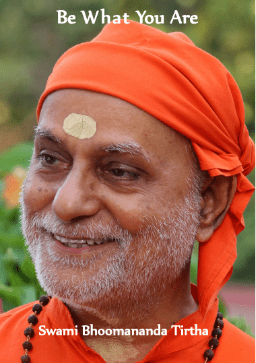
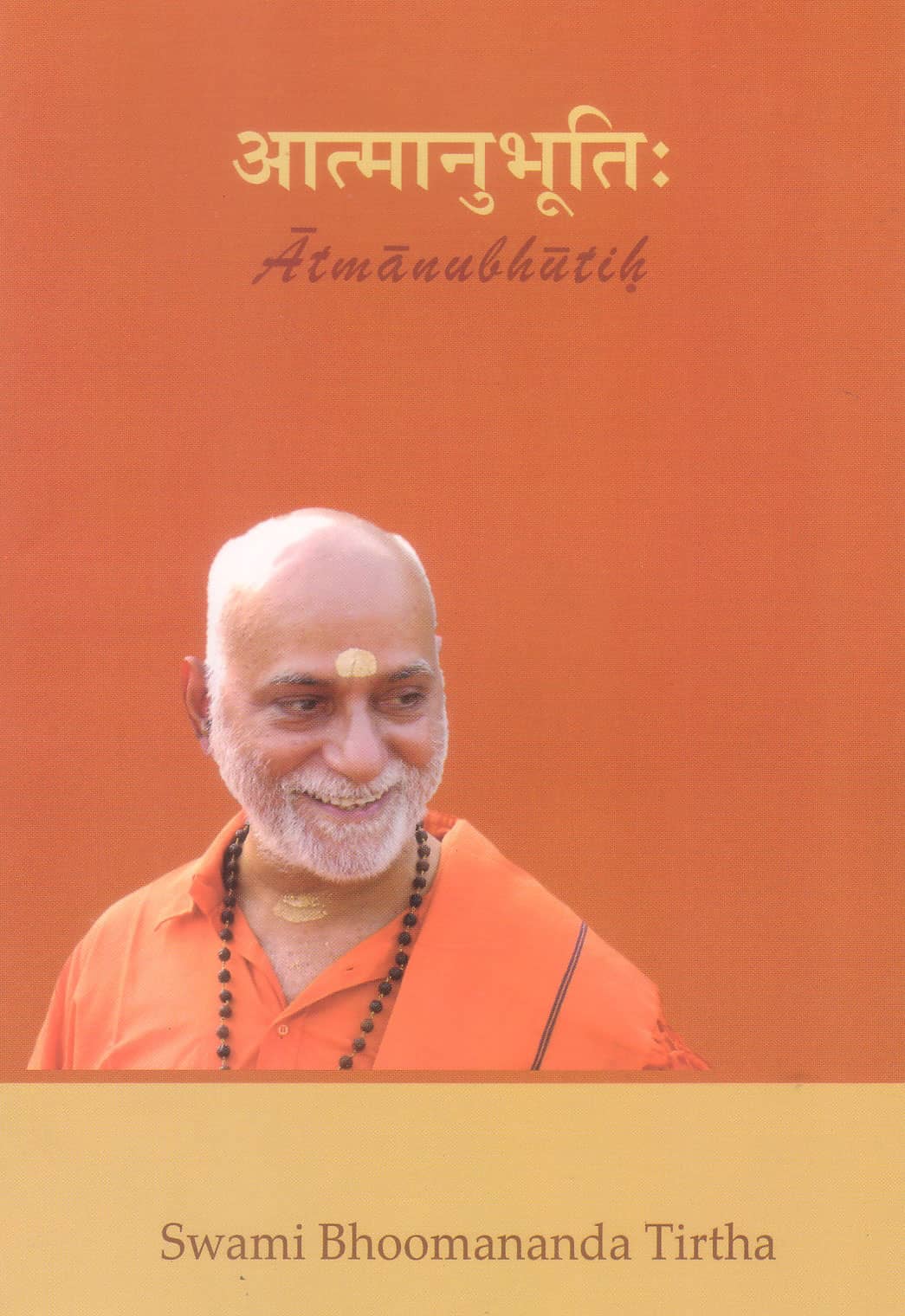



Experience a beautifully designed reading journey with authentic commentary by Poojya Swami Bhoomananda Tirtha.