Aṣṭāvakra Saṃhitā
A Dialogue on Self-realization

Chapter 20, Verse 11
Order Now 
For me always pure, where is māyā, where is worldliness too? Where is contentment, where is discontent either? Where is the living soul, jeeva, where is Brahman, the supreme reality too?
In our perception and experience, there is existence, also non-existence. On seeing something present, we call it existence. When the same factor is not present, we call it non-existence. These together, form a set of dvandvas. Either of them alone will be at a time. Something may exist, it may not exist too. It cannot, at the same time, be existing and non-existing alike.
Suppose something exists. But on examination by our intelligence, making use of aids and relevant processes, we find what looked as existing has vanished. It is a kind of vanishing existence. Can we call it existence, because it does not continue to be? Nor can we call it non-existence, because it was there at least for us to examine and verify. This is called illusion or māyā.
Janaka asks: “Where is māyā for me? I experience pure Consciousness alone always, as I am. It is changeless. There is nothing besides to be seen, identified and called as another.”
It is not any jeeva, born and living. There is nothing to be called as Brahman, and say the jeeva is that. Where are two? Likewise the alternates of sukha and duḥkha are also not there.
Every idea denotes an experience or knowledge. In all of them the ‘I’ alone is expressed, manifest. It is always the undimmed Self, the sole witness, with all the witnessed as its own illusory display!


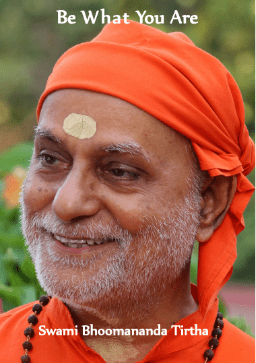
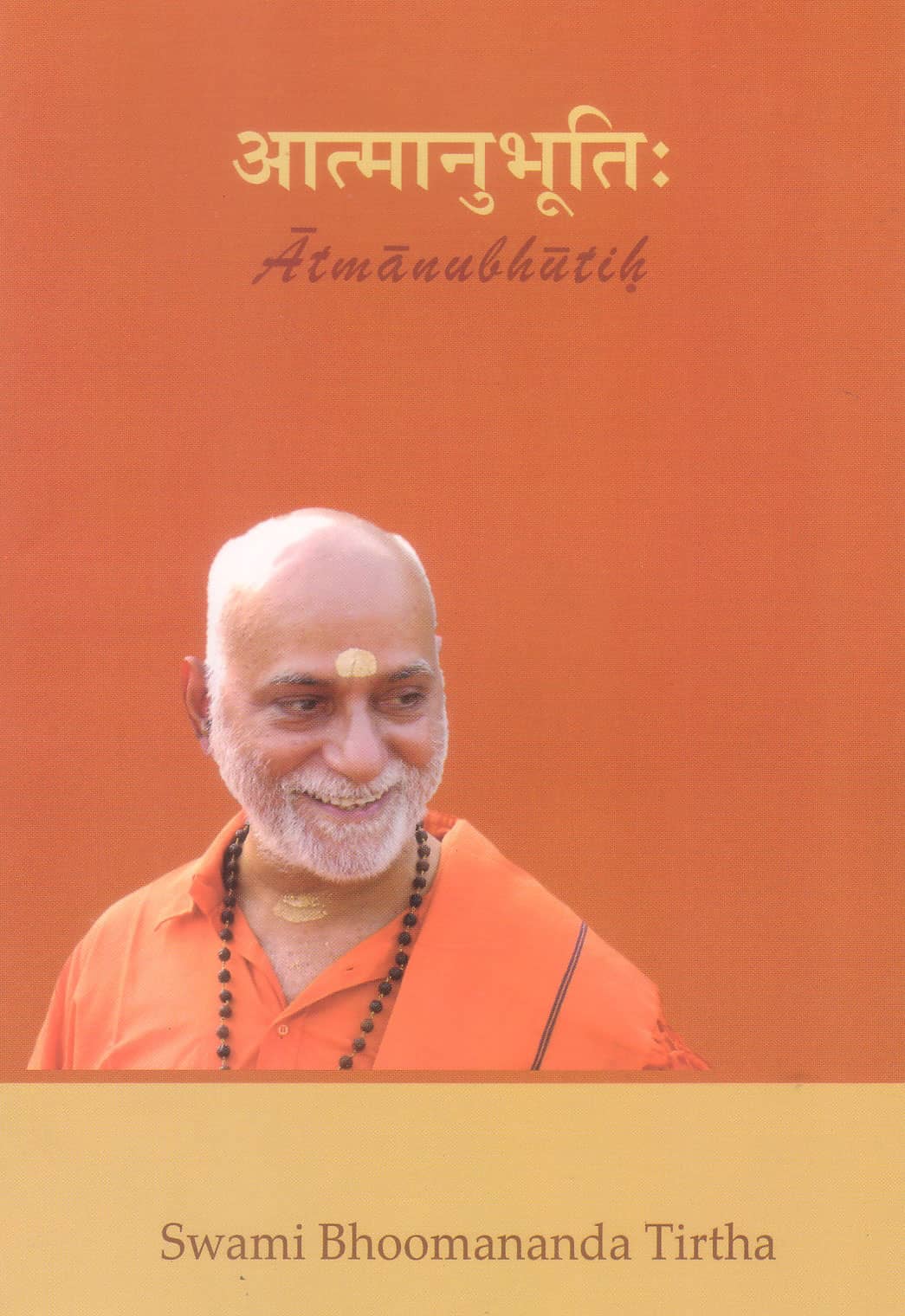



Experience a beautifully designed reading journey with authentic commentary by Poojya Swami Bhoomananda Tirtha.