Aṣṭāvakra Saṃhitā
A Dialogue on Self-realization

Chapter 3
Order Now 

Sage Ashtavakra firmly corrects King Janaka after his exuberant expression of Self-realization. The Sage disapproves of the king’s lingering attraction toward external wealth, pointing out that ignorance of the Self alone gives rise to fascination for illusory objects.
Ashtavakra highlights the conflict between spiritual aspiration and continued indulgence in sensory attraction, possessiveness and desire. Since the Self is pure Consciousness, one who realizes it must not lose touch with that truth by turning outward again. The Sage warns that passion and attachment continue to bind the seeker when discrimination is incomplete.
The chapter also describes the qualities of the Knower. Seeing the Self everywhere, his mind becomes broad, pure and inclusive. Free from identification with the body, he remains unaffected by praise or ridicule. Recognizing the universe as an illusory display, he becomes free from fear and desire.
Having abandoned delusional clinging and risen above dualities, the Knower accepts whatever comes through Providence. Sensory experiences no longer produce grief or excitement. Established in harmony and inward freedom, he lives with quiet acceptance and equanimity.
After having known the Self in its essential nature as indestructible and single, how do you, a Self-knower, greatly wise, foster pleasure in acquiring wealth?

Not knowing the Self alone, alas, causes attraction in illusory objects around; like not knowing the mother of pearl alone leads to the greed for illusory silver.
I am that whereon manifests this universe, like waves in the expanse of the sea. Even after knowing that this is so, why are you running about as a poor being? What for?
Even after having heard that one’s self is pure Consciousness, exquisitely beautiful, how come one indulges in generative organs to court impurity?
It is strange indeed to find the enlightened, even after realizing that the Self is present in all and all are present in the Self, still pursues the sense of ownership.
It is bewildering that one seated in supreme non-dualness, firmly given to liberation, is, subdued by lust, enfeebled by amorous sports.
It is utterly disappointing that knowing passion to be a stark enemy of spiritual wisdom, one having become emaciated, and approaching as he does the last days of life, still longs for sensual joy.
It is quaint that one dispassionate about enjoyments of this world and the other, who can discriminate the eternal from the fleeting, who yearns for liberation, becomes frightened by ego-dissolution, which marks liberation, his goal.
Sumptuously fed or gravely tormented, the wise one, seeing always the Self alone, neither rejoices nor gets irritated.
The high-souled Knower sees his own vibrant body as if it is another’s. How will he get agitated in praise and blame?
Seeing the universe as a mere illusory display, having lost all interest and yearning, how does one of true wisdom fear even if death is proximate?
That high-souled person, whose mind desires not even dispassion, with whom can we compare him, contented with his Self-knowledge?
Why should that wise person whose intelligence is stable, who knows that this visible expanse by its very nature is nothing tangible, think or see anything as ‘this is acceptable and this is rejectable’?
For one who has inwardly left all his delusional clinging, who is not involved in pairs of opposites, who is free from desires, whatever sensory outcomes come by chance, do not cause either grief or contentment.


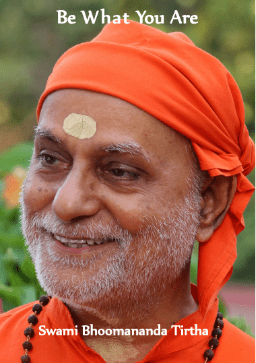
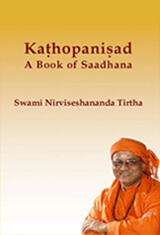
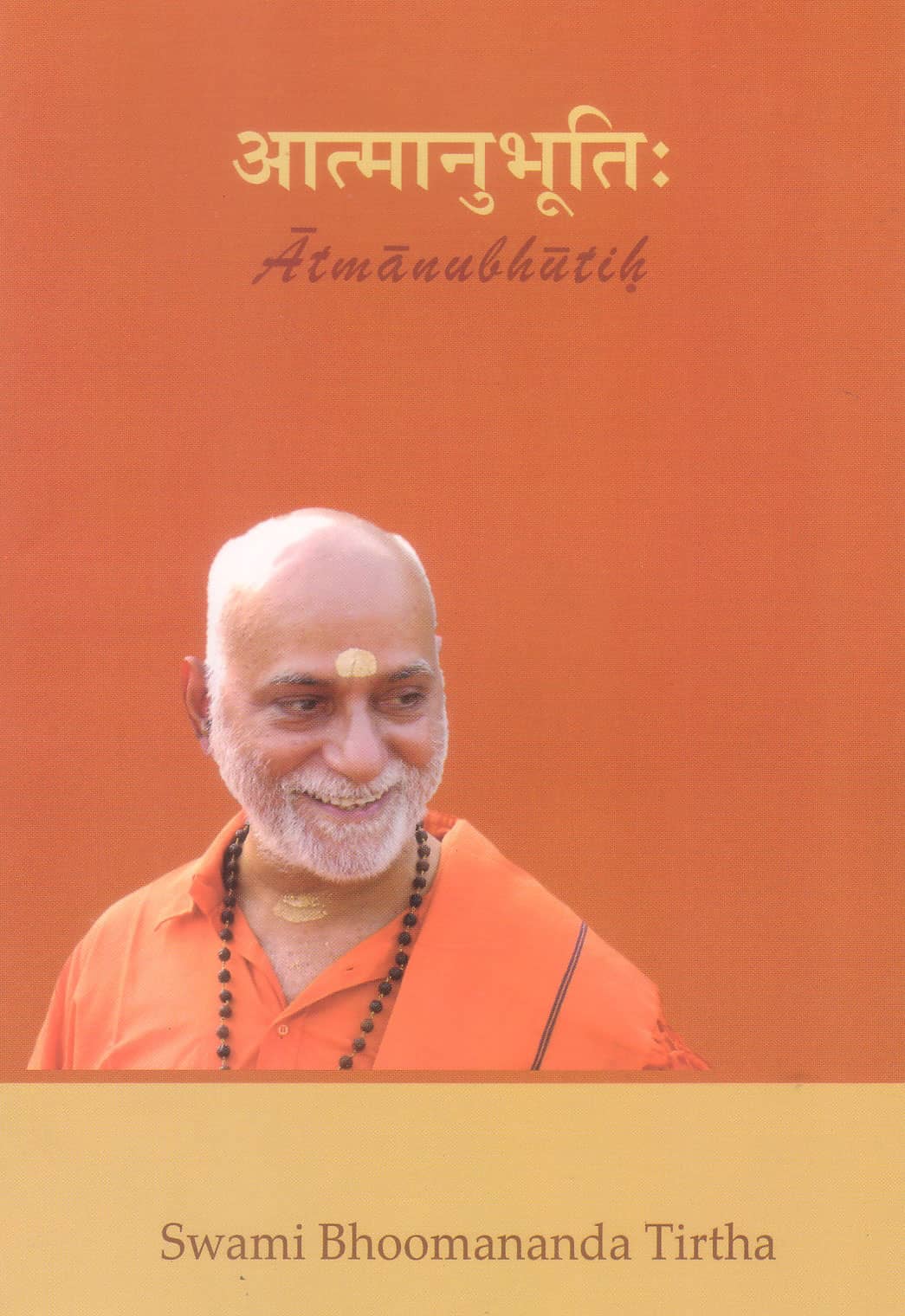



Experience a beautifully designed reading journey with authentic commentary by Poojya Swami Bhoomananda Tirtha.