Aṣṭāvakra Saṃhitā
A Dialogue on Self-realization

Chapter 20, Verse 4
Order Now 
For one always above all kinds of distinction where are prārabdha karmas, where is either jeevan-mukti, liberation while alive? Where is that videha-mukti, liberation when the body falls?
Traditional thinking posits that every action one does during his embodiment attracts, besides its objective results, a measure of puṇya, virtue, and pāpa, vice. These rest on goodness and benevolence or alternatively badness and maleficence the action generates. The total of these is added to the stock accrued in the past to one’s account. Of these, the most pronounced effects govern the next birth. If one gets liberation, the sequence ends. Otherwise, cycle of birth will continue indefinitely. The states governing the present life is called prārabdha, the one already begun. It will be in force till the present embodiment ceases.
King Janaka denounces prārabdha as well as the concept of jeevan-mukti. For, he is the Self different from the body and its plights. Where is then prārabdha, or where are actions and results for him at all? Without assuming anything, and heeding any line of thinking, he rests on his own realization of Pure Consciousness that he is. He finds he is not under any considerations, attributions and assessments at all.
He, the incomparable and distinction-less presence, the Self, needs no jeevan-mukti or videha-mukti, liberation while alive or at death. He is freedom incarnate, rendering all concepts and their authors to shame and irrelevance! Prārabdha, kārmic effects already begun, sañcita, effects accumulated in stock, and āgami, effects to be yet had, have no meaning and relevance for him.





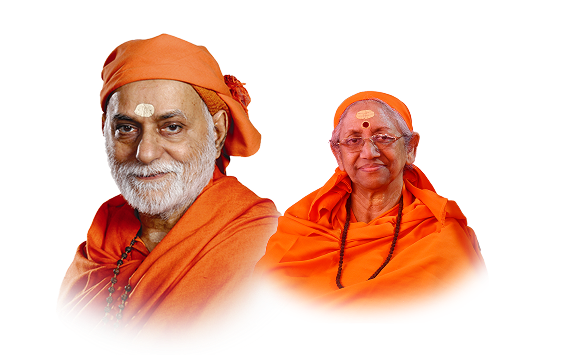
Experience a beautifully designed reading journey with authentic commentary by Poojya Swami Bhoomananda Tirtha.