Aṣṭāvakra Saṃhitā
A Dialogue on Self-realization

Chapter 4
Order Now 

In this chapter, the sage says that for the Self-knower everything becomes a mere play. Such a being remains poised amidst all events and outcomes. The Yogi’s inner spiritual fulfilment is so complete that he no longer hankers even for delight. Rising above dualities, he transcends pleasure and sorrow, virtue and sin.
The enlightened one is not limited by social conventions or scriptural injunctions in acting for the welfare of the world. Free from desire and dislike, he acts without fear or inner conflict. His freedom arises from complete detachment and inner clarity.
Established beyond duty and obligation, the Knower’s thoughts, words and actions become spontaneous expressions of his being. Whatever he does naturally benefits society. Living in transcendental freedom, the Knower becomes a model human whose life itself is a benediction to the society.
Ashtavakra said: Ah, for the wise, who has known the Self, who plays with the usual sensory delights, has no comparison with the fools, irreligious sect of the society.

Intending to achieve which abode Indra and all other gods become miserable, abiding there gallantly the yogi feels no exultation.
He who knows the supreme Truth is not touched by virtue and sin. Though smoke is seen to be spreading over it, the sky has no connection with it.
Who can contradict or prevent the great soul, who has known the whole world to be the Self alone, and has a life led by Chance?
Among the four kinds of beings from Brahmā down to a clump of grass, the enlightened one alone has the ability to renounce desire and dislike from his mind.
Whoever knows the non-dual Self as the Lord of the Universe, does whatever he feels like, with no fear from anywhere.


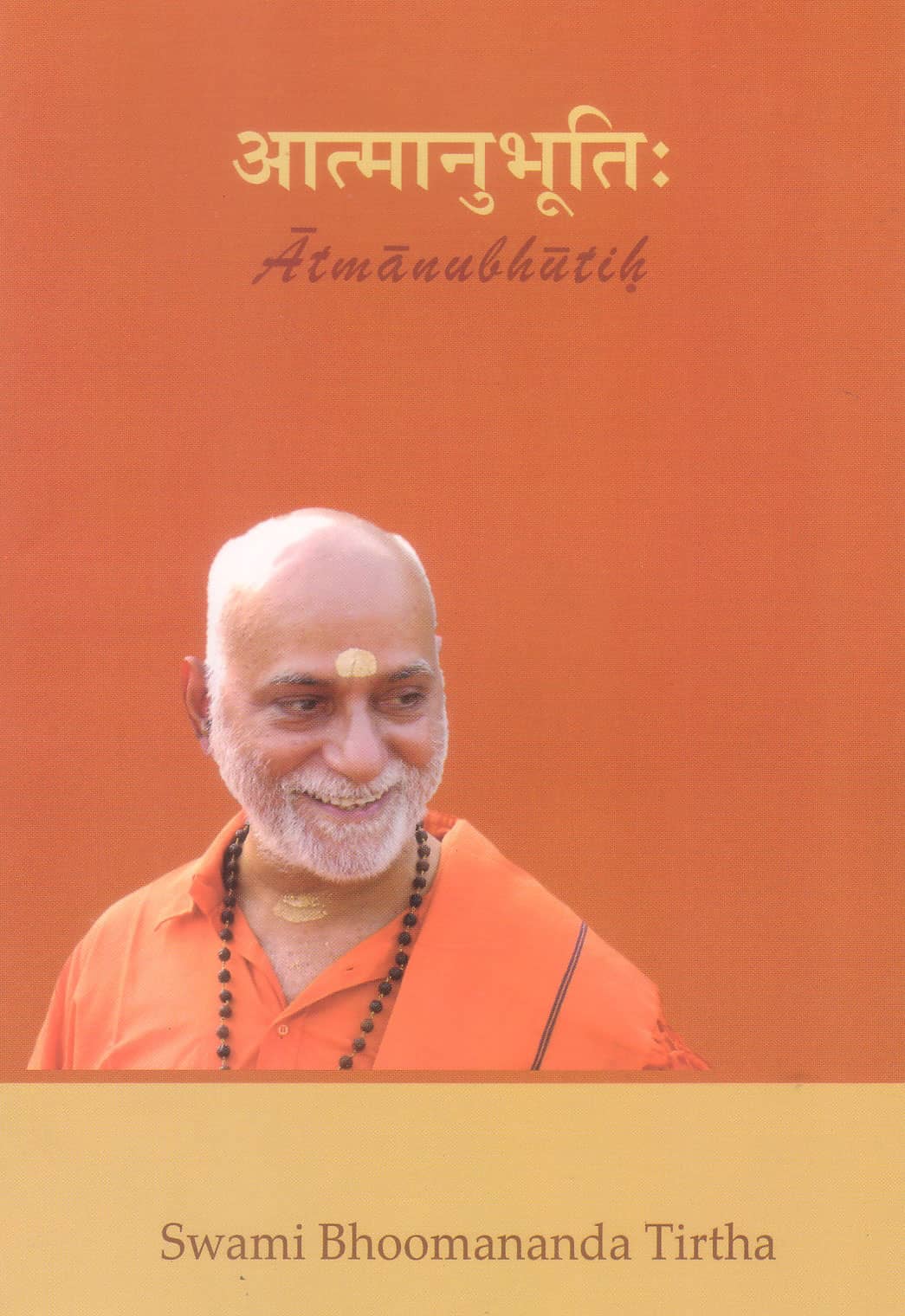


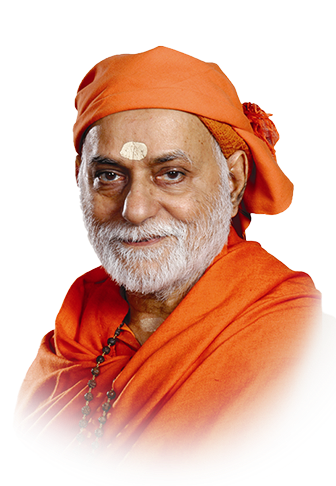

Experience a beautifully designed reading journey with authentic commentary by Poojya Swami Bhoomananda Tirtha.