Aṣṭāvakra Saṃhitā

The timeless wisdom of self-knowledge
that reveals your true nature.
that reveals your true nature.



The Story behind Ashtavakra Gita
The Ashtavakra Gita, also known as Ashtavakra Samhita, is a profound spiritual dialogue between Sage Ashtavakra and King Janaka on Self-realization, freedom, and the nature of the Self.
The dialogue began in the royal court of Mithila, where King Janaka was holding an assembly of scholars and advisers. Into this gathering entered Sage Ashtavakra, a young sage whose body had eight bends,
giving him the name “Ashtavakra.”
Seeing his physical form, many in the assembly burst into laughter. To their surprise,
Sage Ashtavakra also began to laugh.
King Janaka could understand why the scholars laughed at the Sage’s appearance, but he was puzzled as to why the Sage himself laughed.
Ashtavakra replied that no one earns the body they are born with, and therefore no one deserves praise or ridicule for its appearance. He laughed because the great King Janaka, known for wisdom, was surrounded by scholars who lacked the fundamental discrimination (viveka) to look beyond the body.
Deeply struck by the Sage’s insight, King Janaka immediately recognized his greatness. He bowed at Ashtavakra’s feet, became his disciple, and sought instruction in true wisdom and Self-knowledge.
This timeless dialogue between Sage Ashtavakra and King Janaka later came to be known as the Ashtavakra Gita, one of the most direct and profound teachings of Advaita Vedanta.

Chapter-Wise Ashtavakra Samhita Message

Swami Bhoomananda Tirtha’s Teachings on Ashtavakra Gita
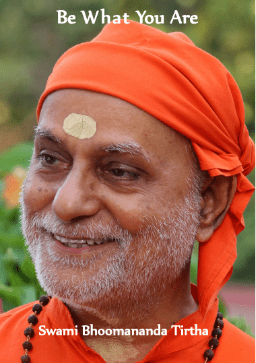
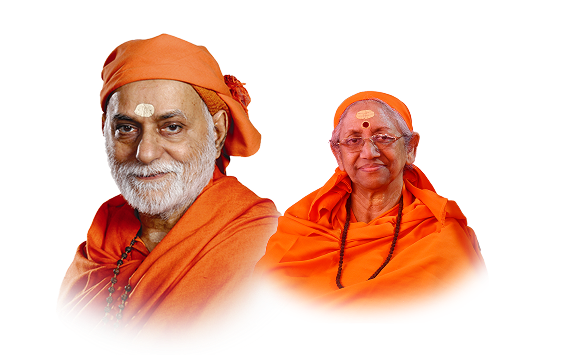
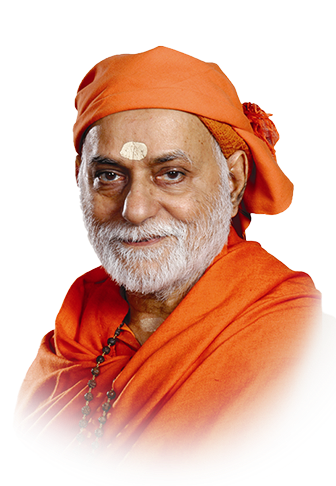
Swami Bhoomananda Tirtha has been a renowned exponent of the Ashtavakra Gita, sharing its teachings through discourses, commentary, and spiritual guidance in India and across the world.
Swamiji regards the Ashtavakra Gita as one of the most profound treasures of Advaita Vedanta, a timeless scripture that reveals the nature of the Self, freedom, and pure consciousness with extraordinary directness and clarity.
According to Swamiji, the greatness of Indian spiritual wisdom lies not in external achievement or possession, but in realizing the inner fullness and freedom that already exist within every human being.
He repeatedly emphasizes that Self-realization is not becoming something new, but recognizing one’s true nature as limitless awareness, untouched by the body, mind, pleasure, pain, birth, or death.
Echoing the teachings of Sage Ashtavakra, Swamiji reminds seekers that they are the witnessing consciousness behind all experiences:
“You are the witness of everything; fact or fiction, existence or non-existence, grief or joy, birth or death. As the witness, you remain unaffected, unconditioned, unlimited, and unrestrained.”
Through his teachings on Ashtavakra Gita, Swamiji presents Advaita Vedanta not merely as philosophy, but as a direct path to inner freedom, peace, and the realization of one’s true Self.

Core Teachings of Ashtavakra Gita
The Ashtavakra Gita presents one of the most direct and profound teachings on Self-realization and Advaita Vedanta.
In this timeless dialogue, Sage Ashtavakra teaches King Janaka that the true Self is pure awareness, untouched by the body, mind, emotions, or the changing world. He repeatedly emphasizes that the Self is singular, infinite, free, and ever-present.
At the very beginning of the text, Sage Ashtavakra advises King Janaka to develop detachment from worldly objects and to cultivate higher values that lead to inner freedom and liberation.
One of the central teachings of Ashtavakra Gita is that human suffering arises from identification with the body, mind, and external world. Freedom comes through recognizing oneself as the witnessing consciousness beyond all change.
The later chapters of the text beautifully express King Janaka’s realization of fullness, independence, peace, and inner abundance. These qualities do not belong merely to Janaka as an individual, but to the true Self that exists equally in all beings.
The Ashtavakra Gita further declares that the Self neither acts nor seeks anything. By its inscrutable power, consciousness appears as the world while ever remaining untouched and complete.
Through its uncompromising clarity and spiritual depth, the Ashtavakra Gita remains one of the most powerful scriptures on non-duality, liberation, and the direct realization of one’s true nature.
Ashtavakra Gita videos by Swami Bhoomananda Tirtha
Swami Bhoomananda Tirtha
Poojya Swamiji has delivered numerous talks on the Ashtavakra Samhita across India and abroad, with the core aim of helping seekers integrate its timeless wisdom into their daily lives.
 Watch
Watch 
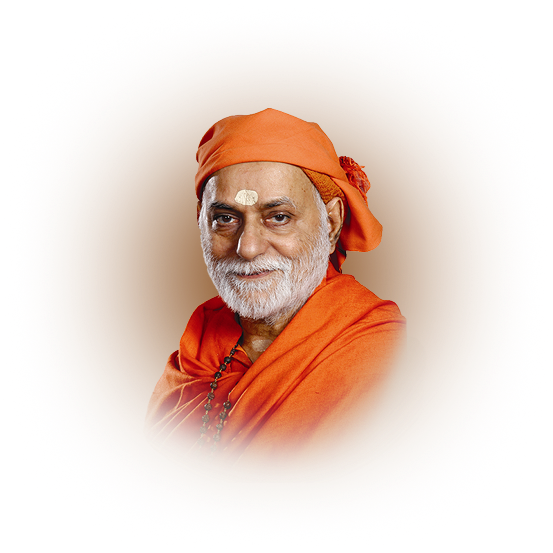
Swami Bhoomananda Tirtha
Poojya Swamiji has delivered numerous talks on the Ashtavakra Samhita across India and abroad, with the core aim of helping seekers integrate its timeless wisdom into their daily lives.
Watch 
Listen: Ashtavakra Gita Chantings & Audio
Cultivate Qualities of Mind and Intelligence
Swami Bhoomananda Tirtha 00:00 00:00
00:00

Sincerity and Straightforwardness
Swami Bhoomananda Tirtha 00:00 00:00
00:00
Ashtavakra Samhita – A Straightforward Presentation of Spiritual Science
Swami Bhoomananda Tirtha 00:00 00:00
00:00
The Truth about Bondage and Liberation
Swami Bhoomananda Tirtha 00:00 00:00
00:00
 Start your Journey
Ashtavakra Gita Book Authored
By Swami Bhoomananda Tirtha
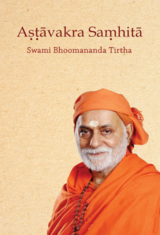
Ashtavakra Samhita
In this lucid exposition of the lofty vedantic text Ashtavakra Samhita, Poojya Swami Bhoomananda Tirtha unveils the profound wisdom of non-duality in its purest form. Dialogues between the sage Ashtavakra and King Janaka shine with insights on the Self, detachment, and liberation — insights that are timeless, transformative, and deeply relevant today.
Read More

FAQ's about Ashtavakra Gita
The Ashtavakra Gita, also known as Ashtavakra Samhita, is a profound Advaita Vedanta scripture presented as a dialogue between Sage Ashtavakra and King Janaka. Set in the court of Mithila, it explores Self-realization, freedom, non-duality, detachment, and the true nature of consciousness.
Ashtavakra Gita consists of 20 chapters. Most chapters are short and contain around 7 to 8 verses, while the 18th chapter is the longest with 100 verses. The text presents direct teachings on Self-realization, liberation, and Advaita Vedanta.
Ashtavakra was an ancient Indian sage known for his teachings on Self-realization and liberation. In the Ashtavakra Gita, he instructs King Janaka on the nature of the Self, witnessing consciousness, and freedom from worldly identification. His name means “one with eight bends,” referring to the eight deformities in his body.
Janaka was the legendary king of Mithila, celebrated for his wisdom, detachment, and spiritual insight. In the Ashtavakra Gita, he becomes the disciple of Sage Ashtavakra and seeks knowledge of liberation and the true Self while continuing to fulfill his royal responsibilities.
The dialogue of the Ashtavakra Gita took place in the royal court of Mithila. When Sage Ashtavakra entered King Janaka’s assembly, many scholars laughed at his physical appearance. The Sage, in turn, laughed at their inability to see beyond the body. Deeply moved by his wisdom, King Janaka became his disciple and sought instruction on Self-realization and liberation.
The core message of the Ashtavakra Gita is that one’s true nature is pure consciousness; free, unattached, and beyond the body and mind. Sage Ashtavakra teaches that liberation comes through Self-knowledge and the realization that the individual Self is not separate from absolute reality. The text is one of the clearest teachings on Advaita Vedanta and non-duality.
At the beginning of the Ashtavakra Gita, King Janaka asks Sage Ashtavakra three fundamental questions:
How is knowledge attained?
How is liberation achieved?
How does detachment arise?
These questions form the foundation of the teachings that follow in the Ashtavakra Gita.
Yes. Ashtavakra Gita and Ashtavakra Samhita refer to the same Advaita Vedanta scripture containing the dialogue between Sage Ashtavakra and King Janaka. “Gita” means teaching or song, while “Samhita” means compilation or collection.
A profound translation and commentary on the Ashtavakra Gita is available in “Aṣṭāvakra Saṃhitā–Commentary By Swami Bhoomananda Tirtha” by Swami Bhoomananda Tirtha. The book offers deep insights into Self-realization, witness consciousness, liberation, and Advaita Vedanta.
The Ashtavakra Gita is a profound and direct text on Advaita Vedanta. While its teachings are subtle, guided study with commentary and discourses can make its message accessible even to sincere beginners.
Ashtavakra Gita teaches that the true Self is pure awareness; untouched by the body, mind, emotions, or worldly experiences. Realizing this truth leads to freedom and liberation.
Yes. Ashtavakra Gita is considered one of the most direct and uncompromising scriptures of Advaita Vedanta and non-duality.
Witness consciousness refers to the awareness that observes all thoughts, emotions, and experiences while remaining untouched by them. This witnessing Self is central to the teachings of Ashtavakra Gita.