Aṣṭāvakra Saṃhitā
A Dialogue on Self-realization

Chapter 16
Order Now 

This chapter of Ashtavakra Gita (also known as Ashtavakra Samhita) emphasizes Sage Ashtavakra’s relentless teaching that mere hearing or learning of scriptures does not bring self-seatedness. He dismisses enjoyment, activity and even inner absorption as exertional and exhausting. Everything pursued through effort ultimately leads to fatigue, and the seeker is guided toward effortless abidance.
The Sage describes all forms of striving as burdensome, suggesting that even the blinking of the eye involves exertion. The earnest seeker is therefore urged to cultivate total indifference and remain free from compulsive effort. Such a one, established in natural ease, becomes what Ashtavakra calls an “adept idler.”
The seeker must rise above all dualities, including bondage and liberation, and remain indifferent to the purusharthas. When both passion and dispassion lose their hold, and the mind rests in samatva, the Self shines uniformly, bringing poise, stability and inner ecstasy.
Ashtavakra explains that desire persists only in the absence of discrimination. When true discrimination arises, the nature of the “I” becomes clear and desire loses relevance. Freed from grief, pride and dependence, the knower transcends activity and inactivity, moving through the world like a child, immersed in the abundance of the sovereign Self.
Dear child, learn or hear many scriptures in many ways. Even then you will not have Self-seatedness except by forgetting all.

O enlightened one, enjoy sensory delights, work hard or practise samadhi. Even then your mind will be yearning for experiencing the blissful Self, leaving all desires and the havoc they fetch.
All become miserable by exertion. But none knows this fact. The fortunate one, by this instruction, attains full redemption.
For him alone, an expert in idleness, who feels afflicted even in opening and closing his eyes, is happiness, not for anyone else.
When the mind becomes freed from the notions ‘this is done’, ‘this is not done’, then it will have no yearning for all the purushārthas (human goals), namely righteousness, wealth, desire-gratification and liberation.
The dispassionate is a hater of sensory objects. The desireful is excessively indulgent in them. He who is bereft of both acceptance and rejection, is neither dispassionate nor desireful.
As long as desire, grounded on the state of non-discrimination, reigns, so long the notions of rejectable and acceptable, the trunk and shoot of worldliness, also survive.
Activity triggers desire, inactivity causes dislike too. The wise rises above dvandvas and lives and moves like a child.
The desireful and greedy aspires to renounce the world, intending to avoid unhappiness. He who has risen above desire, being freed of grief, does not feel tormented in the world.
He who has pride even in liberation, equally so possessiveness about the body, is not a Knower, not a yogi. He is but a receptacle of unhappiness and grief.
Let Lord Hara (Shiva) be your spiritual Instructor, or Lord Hari (Mahavishnu) or even Brahma, the lotus-born. Even then you will not have the quietitude of the Soul unless you are able to forget everything totally.


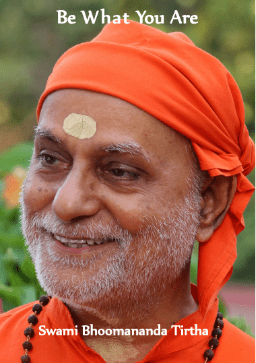
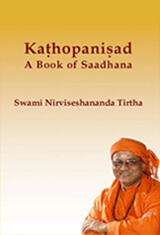
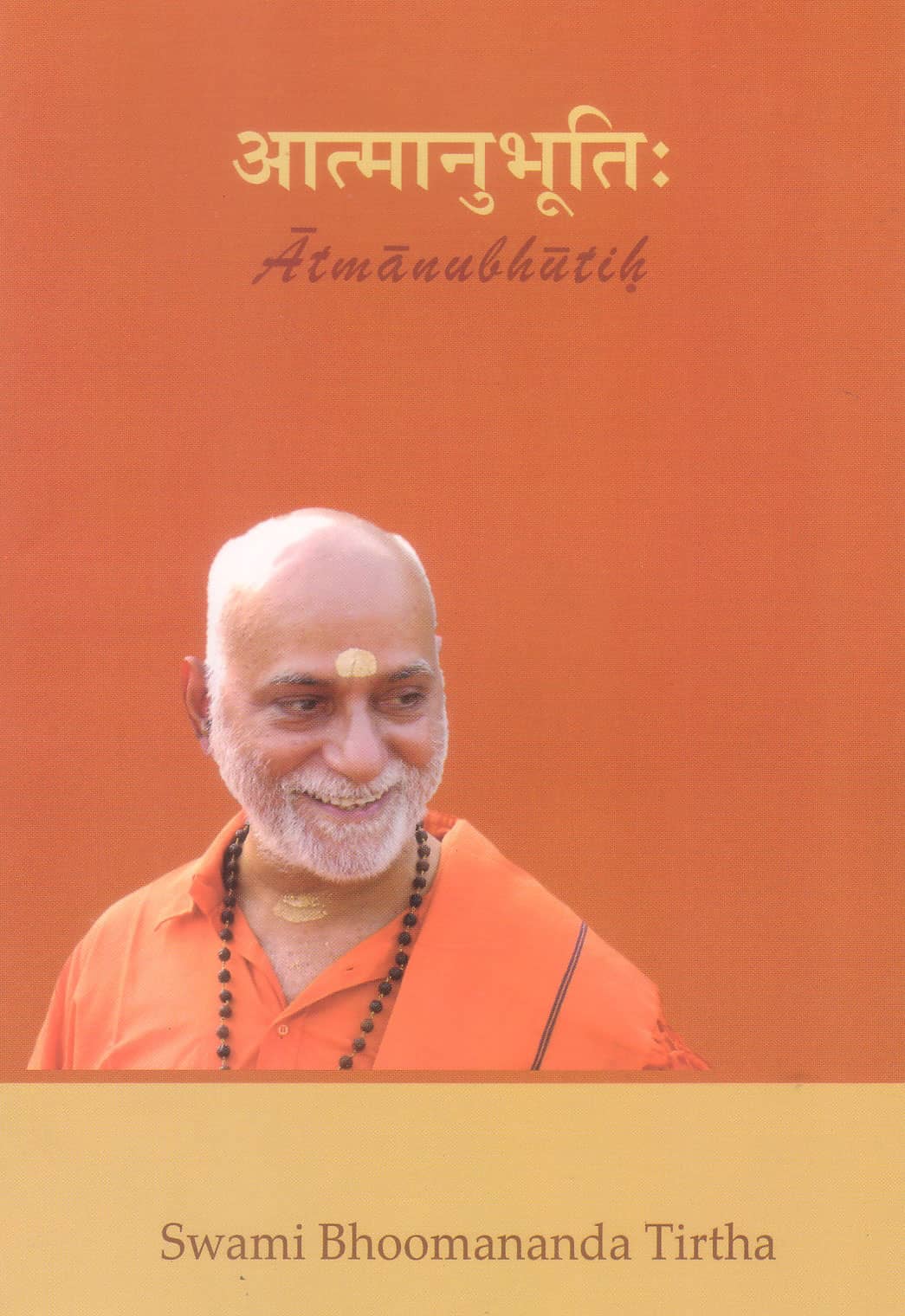


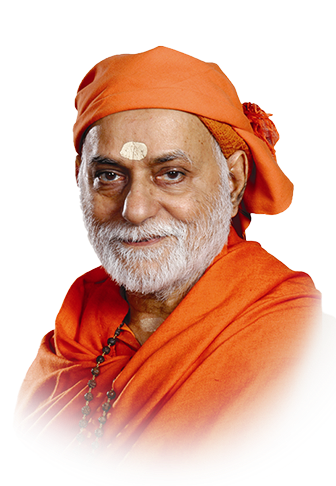

Experience a beautifully designed reading journey with authentic commentary by Poojya Swami Bhoomananda Tirtha.