Aṣṭāvakra Saṃhitā
A Dialogue on Self-realization

Chapter 5
Order Now 

In this chapter, the Sage introduces the spiritual concept of dissolution. He asks King Janaka to dissolve the idea of being a complex entity and enter inner spiritual dissolution. The seeker is guided to recognize Consciousness as pure and free from clinging. Knowing the Self to be singular, one attains dissolution through the strength of this understanding.
Though visible, the universe not being real, does not exist in one, the pure Consciousness. Grossness, externality and physicality are compared to dream-like appearances—illusory projections arising through the power of Consciousness.
The Sage further explains that the Self remains unchanged amidst all dualities. Knowing that one is the same in sukha & duhkha, desire and despair, life and death, one must enter the state of inner dissolution. Maharshi Ashtavakra points again the evenness of the mind to be the way for attaining inner dissolution.
Ashtavakra said: You have no clinging to anything. Pure as you are, what are you wishing to renounce or leave? Dissolving the idea of your being a complex entity, get into the inner spiritual dissolution.

Universe emerges from you like bubble from the sea. Knowing thus the Self, ‘I’, to be singular, by the strength and majesty of this very knowledge, attain the dissolution
Though visible, the universe not being real, does not exist in you, pure Consciousness. There is no material transformation as in the bubble. The phenomenon is but appearantial, like the snake in the rope. Be firm in this and gain dissolution.
You are full, hence equal in sukha and duḥkha. You are the same in desire and despair too. Even in life and death you are equal. Thus enter the state of inner dissolution.


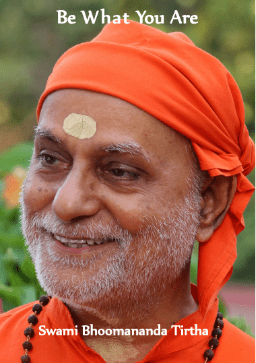
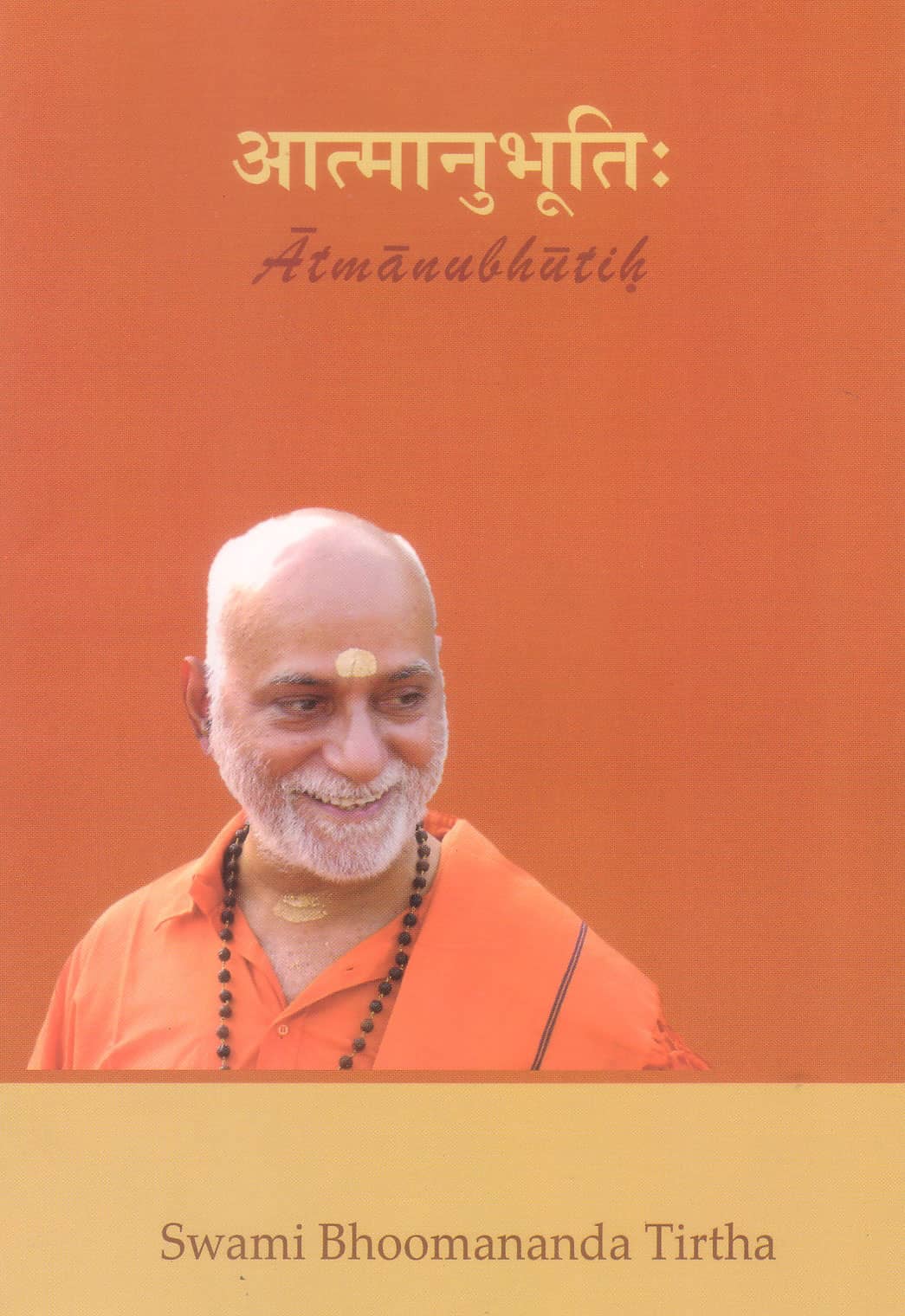



Experience a beautifully designed reading journey with authentic commentary by Poojya Swami Bhoomananda Tirtha.