Aṣṭāvakra Saṃhitā
A Dialogue on Self-realization

Chapter 8
Order Now 

This chapter of Ashtavakra Gita (also known as Ashtavakra Samhita) presents spiritual wisdom and liberation in simple yet conclusive terms through the mind and its behaviour. Sage Ashtavakra explains that bondage arises when the mind covets, grieves, grasps, rejects, rejoices or becomes angry. Liberation dawns when the mind remains free from desire, sorrow, attachment, aversion, excitement and hatred. The sincere seeker is encouraged to outlive preferences and prejudices, cultivating evenness and poise.
Bondage also exists when the mind clings to fixed views and beliefs. Liberation is found when the same mind becomes free from attachment to its own conditioning.
The Sage further points to the role of ego in bondage and liberation. When ego arises, bondage follows; when ego dissolves, liberation naturally shines forth. Identification with the body gives rise to the notion of “I” and “mine,” creating the illusion of possession.
If the “I” is not the body, then the idea of possessing or abandoning anything loses meaning. All notions of holding or renouncing are forms of delusion. The seeker is therefore guided to relinquish both possession and rejection, abiding in the freedom of the Self.
Ashtavakra said: Then will be bondage when mind covets or grieves at anything; leaves or grabs anything; exults in or gets angry over anything.

Then indeed is liberation when the mind desires not and grieves not. It does not leave or take, nor rejoice or hate.
Then is bondage indeed when the mind is tied to a set of views and beliefs. And then indeed is liberation when the same mind is freed from the clinging it has to all views and leanings.
When the ego dissolves, then liberation dawns; when ego sprouts, bondage arises; Thinking in this manner, neither hold nor leave anything.


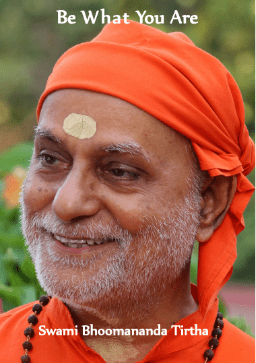
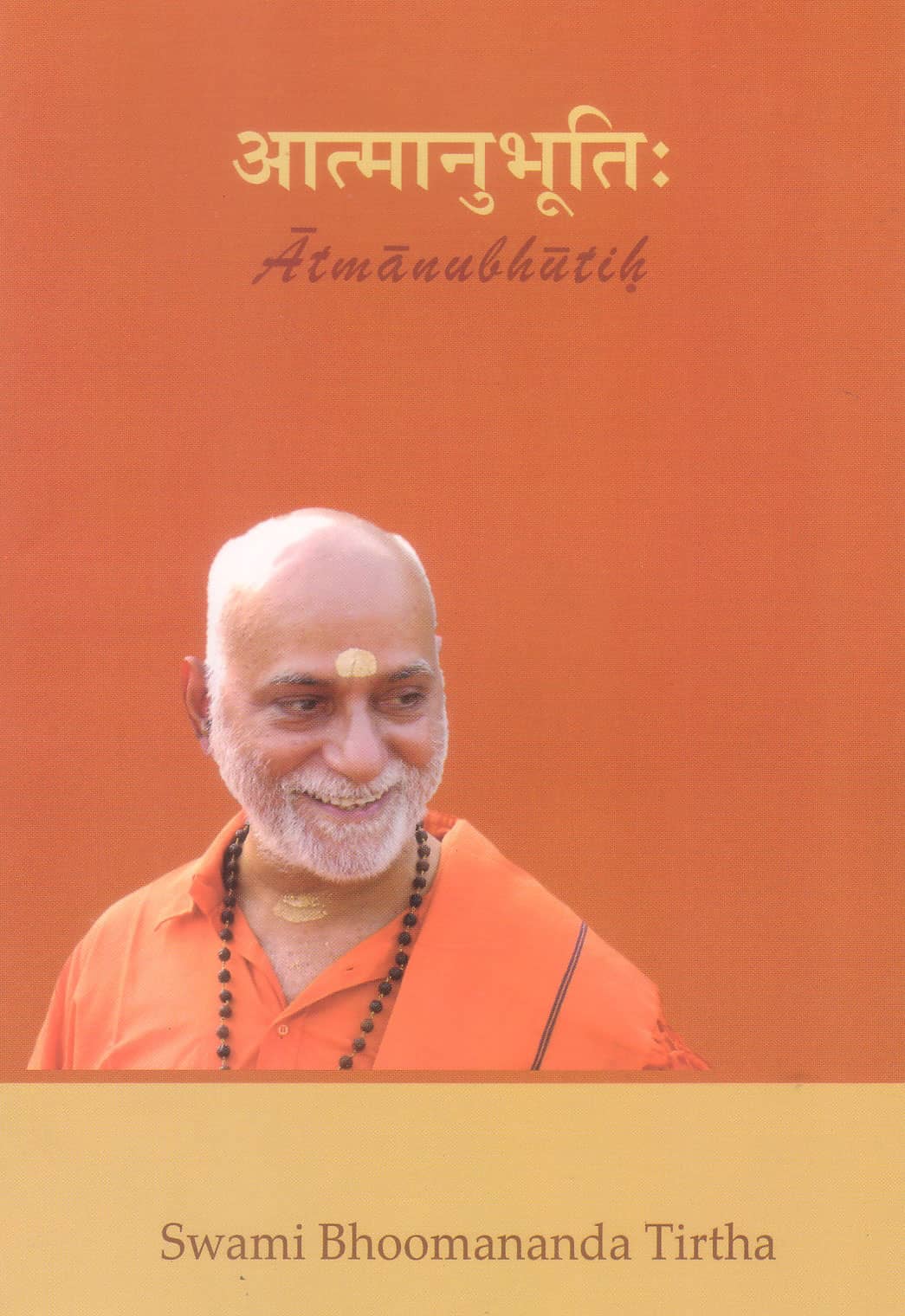



Experience a beautifully designed reading journey with authentic commentary by Poojya Swami Bhoomananda Tirtha.