Aṣṭāvakra Saṃhitā
A Dialogue on Self-realization

Chapter 11
Order Now 

Chapter 11 of Ashtavakra Gita (also known as Ashtavakra Samhita) teaches that existence, non-existence and change arise according to the intrinsic nature of each. With this understanding, one becomes restful and free from agitation. Sage Ashtavakra points to the Self as the sole source of creation, sustenance and dissolution, urging the seeker to live without clinging or desire.
Knowing that fortune and misfortune, sukha and duhkha, birth and death unfold through Providence, one should remain content and unshaken. Rather than grieving or longing, the seeker lives actively and harmoniously, aligned with the natural order.
The Sage explains that concern is the root of misery and affliction. Freedom from anxiety brings peace and happiness. The wise person abandons mental burden and rests in inner composure.
When one realizes, “I am not the body; I am Consciousness alone,” all notions of what has been done or left undone disappear. The seeker attains singularness and becomes free from doubt, striving and the idea of gain or loss. Recognizing the manifold universe as insubstantial, he abides as pure Consciousness, needing nothing and resting in unshakeable quietude.
Existence, non-existence and existential changes are all due to the intrinsic nature of each. Discerning and resolving like this, one becomes comfortably restful in himself, without perturbation and undue exertion.

God is the sole creator of all, and none else here. Thinking and resolving like this, all desires of the heart having fallen off, one becomes quiescent, without getting attached to anything.
Deciding that misfortunes and fortunes are brought in time by Providence, always being content, unshaken by the senses, one desires not and grieves not.
Realizing that sukha and duḥkha as well as birth and death transpire at the behest of Providence, the Knower finds nothing to be striven for. Yet he does effortlessly whatever comes to be done and does not get stained.
One, realizing that from concernful thought misery is born, not from any other source, gets rid of it and becomes happy, peaceful and desire-free everywhere.
Whoever realizes ‘I am not the body, nor have I the body. I am Consciousness alone’ does not remember anything done or not done, as if he has attained singularness, kaivalya.
Confirmed in the realization that from Brahma down to a bunch of grass, I, the Self, alone is/am, one remains free of doubt, pure, quiescent, bereft of the notions of having attained and not attained.
He who resolves that this wonderful manifold universe is in reality a nothing, being desire-free, becomes the pure Consciousness itself and attains quietitude, as if nothing is present to involve him the least.





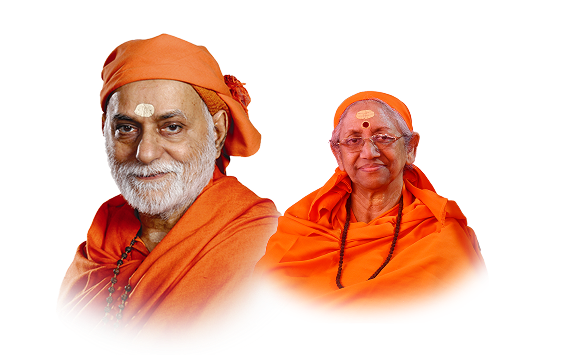
Experience a beautifully designed reading journey with authentic commentary by Poojya Swami Bhoomananda Tirtha.