Aṣṭāvakra Saṃhitā
A Dialogue on Self-realization

Chapter 17, Verse 13
Order Now 
He does not blame or praise, does not rejoice or get angry, does not give or take anything. With no clinging to anything anywhere, he is liberated in full.
In the previous verse, the Sage described how multi-pronged is the interactive life of the Knower. All his senses interact with their respective objects. The Knower feels quite harmonious about everything. Here now the Sage describes how his emotional framework is. Generally people swing with the dvandvas, lavishly indulging in praising and blaming others, more because they like to do so. The habit only grows more and more intense every time. Moderation or inner purity does not appeal to them.
The Knower does not praise anyone, nor blames. His vision and attitude are entirely different. He knows the world has to host good and bad, noble and the ignoble alike. The disparity is no cause for surprise at all. To become the whole, the entire range between good to best and bad to worst must be there.
Everything is a display and management of Nature. So where is the ground to praise or blame? Ultimately, the source of good and bad is the same supreme Sovereign!
Likewise the Knower does not exult or get irritated or intolerant about anything or anyone. He does not have the ego of giving or taking. Freed of all this emotional flux, he lives and moves liberated, in the true sense of the term. Liberation in the level of intelligence is the supreme knowledge of Oneness. In the mind level it is the sublime equalness and poise.


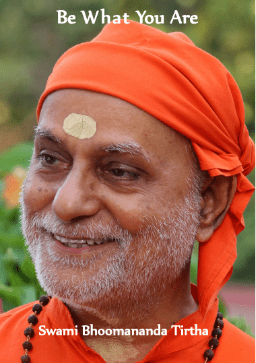
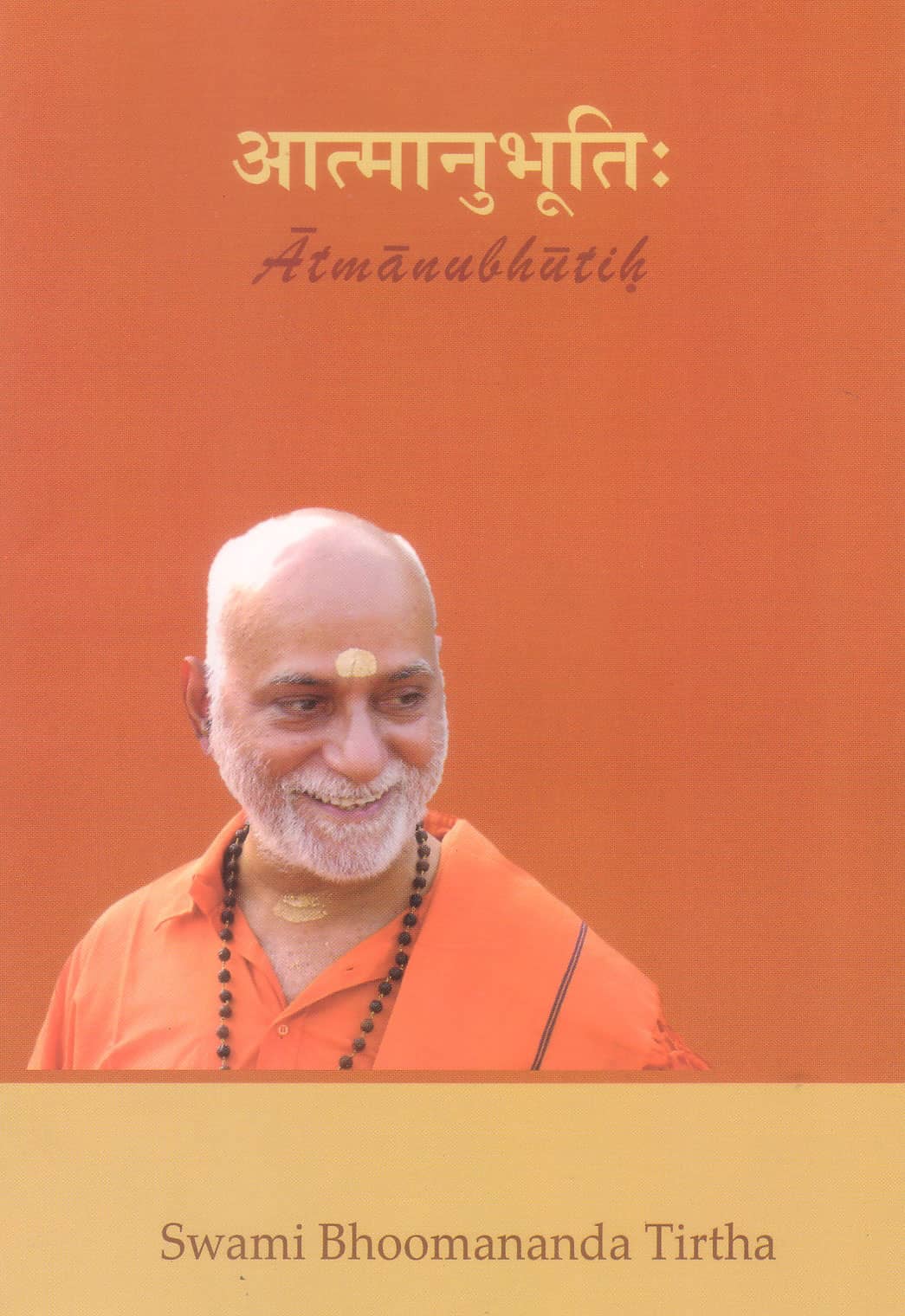



Experience a beautifully designed reading journey with authentic commentary by Poojya Swami Bhoomananda Tirtha.