Aṣṭāvakra Saṃhitā
A Dialogue on Self-realization

Chapter 17, Verse 6
Order Now 
A liberal minded person has neither fascination nor aversion for dharma, artha, kāma and moksha as well as life and death.
Moksha, as already explained, is the state of sublime freedom from all kinds of mento-intellectual constrictions. When closely examined, all ideas and notions subsist on comparison and contrast. Even dharma, artha, kāma and moksha come within the orbit of dvandvas. To choose and restrict to one and thereby to avoid all the rest, is the path of division and selection. Any preference hosts prejudice. As the preferred pleases, the prejudiced agitates. This is not the wholesome course of fullness, comprehensiveness.
Dharma, ethical propriety, artha, amassing wealth, kāma, gratifying desires, and finally moksha, seeking redemption, are all based upon sternly rejecting their opposites. As much as the mind loves them, so much it has to hate their opposites, keeping the mind under tension, fear. Obsessive thoughts on adharma, anartha, etc, torment the mind. More than the desired pleases, the obsessed frightens. Restfulness and peace remain elusive.
Likewise, clinging to life means fearing death, which may befall any time. In fact, the only certain event in the world is death. Life is uncertain always. A hale and hearty person may suddenly die. A very old man tottering under the torments of ill-health may still linger on. Any time life is indefinite and death is definite.
Best attitude is to foster no preference and prejudice and be natural. Leave altogether the acceptable-rejectable duo and be free.


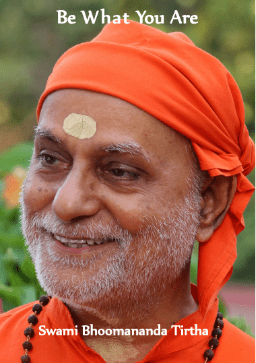
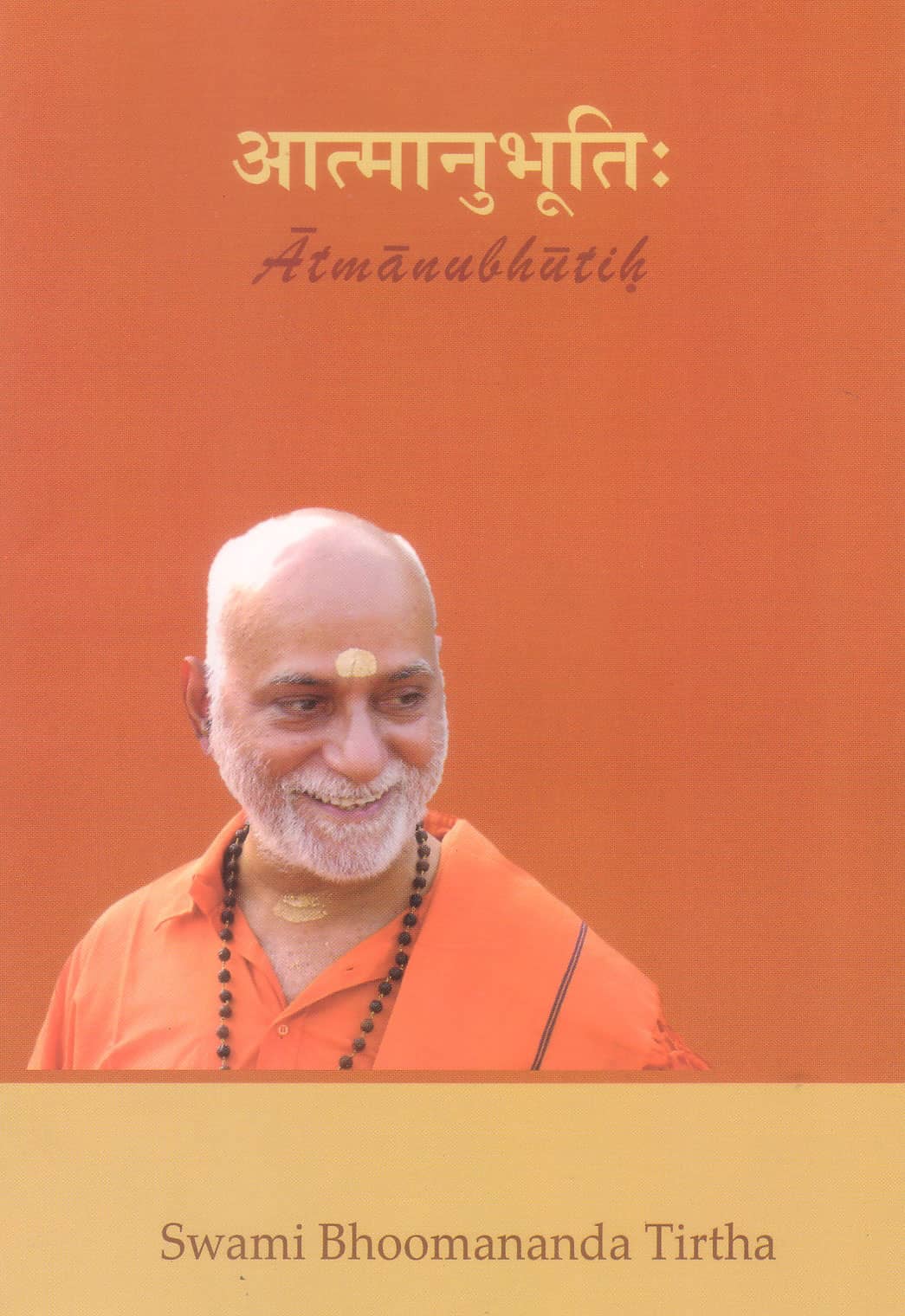



Experience a beautifully designed reading journey with authentic commentary by Poojya Swami Bhoomananda Tirtha.