Aṣṭāvakra Saṃhitā
A Dialogue on Self-realization

Chapter 17, Verse 15
Order Now 
In happiness and unhappiness, in man and woman, in prosperity and calamity, the wise one with equal vision feels nothing special.
Equal vision, equanimity, is the one panacea spiritual wisdom inculcates and gifts right from the beginning. Bhagavad Gita, a full-fledged yoga-śāstra, explains that samatva and sāmya, evenness of the mind, is the content and goal of yoga.
Happiness and unhappiness are the two alternate outcomes sensory interactions with the world bring about constantly. All dvandvas ultimately result in sukha-duḥkha, happiness and unhappiness alone. The wise, illumined is equal in these. Man and woman attract each other in and out of place, leading to many undesirable consequences, including irretrievable downfall. The Knower is free of this adversity.
Prosperity and its reverse are another source of fear and agitation to human life. These will not overtake the wise person, because of his inner fullness and abundant strength it provides.
All dvandvas relate to external gross world and objects. The illumined one realizes that he is only the witness of it all. What can the witnessed do to him, the witness?
Suppose you see a huge blazing fire, will you be burnt? By looking at a dead body, will you die? Good, bad, favour, disfavour, calamity, fortune and many others like these, will still remain as the witnessed. The Knower only triumphs over these, as nothing transpires to him, as he does not undergo any of these, but only witnesses all!


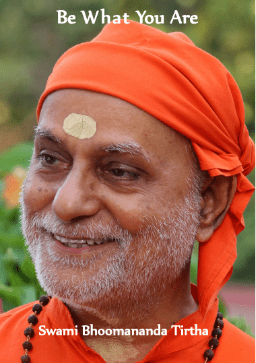
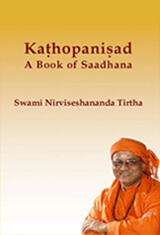
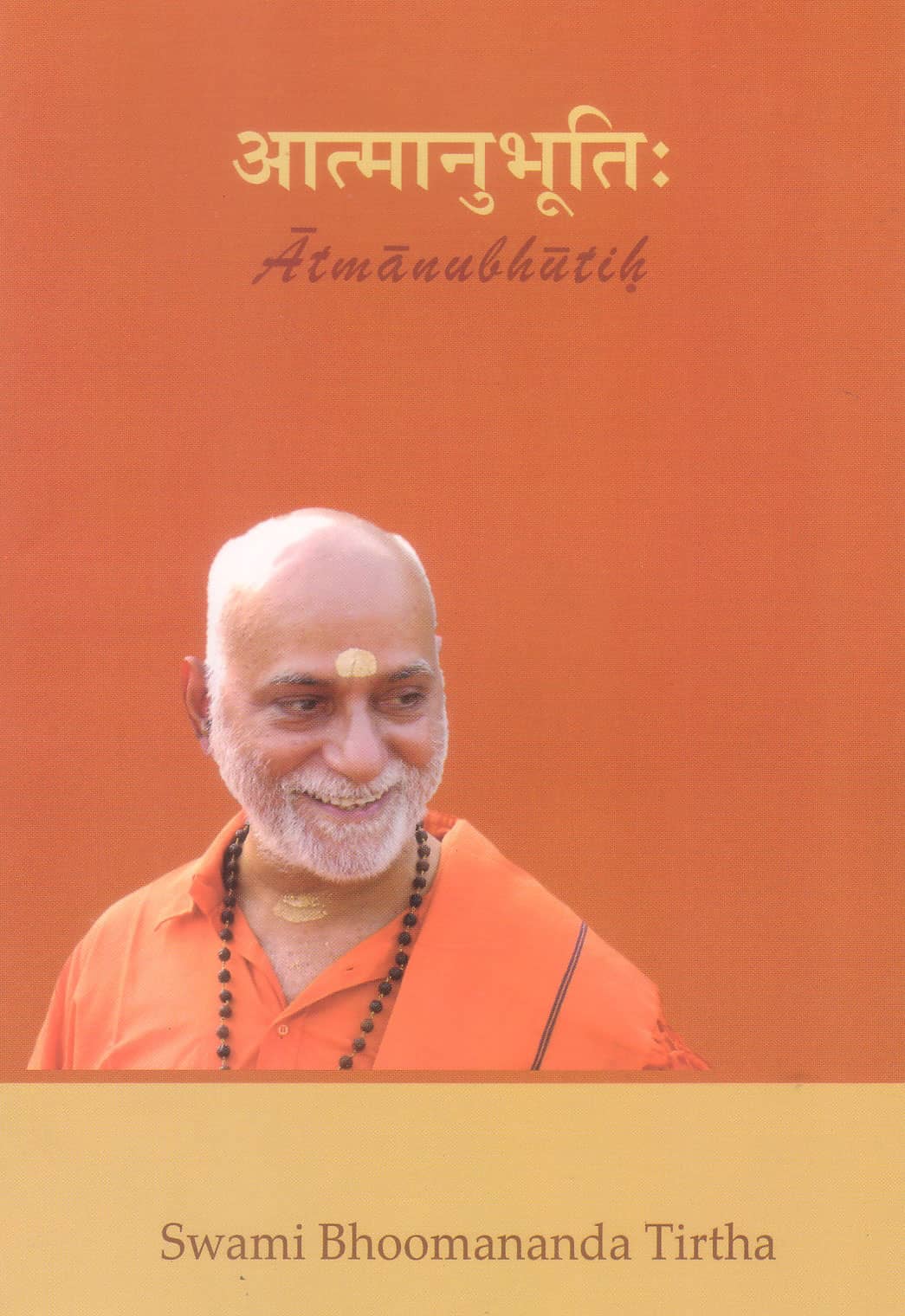


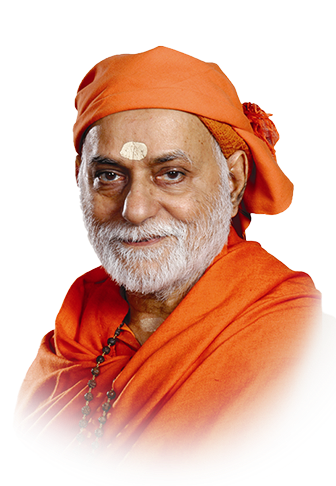

Experience a beautifully designed reading journey with authentic commentary by Poojya Swami Bhoomananda Tirtha.