Aṣṭāvakra Saṃhitā
A Dialogue on Self-realization

Chapter 17, Verse 8
Order Now 
Fulfilled thus by this knowledge, intelligence having fallen, the ever-content one lives happily, seeing, hearing, touching, smelling and eating, like the others.
Self-knowledge is to facilitate and fulfill life, not to inflict any loss, reduction or denial. Instead of interfering with life, it enlightens and empowers the living individual, making his life smooth, benevolent and fulfilling – a point not to be forgotten.
True, some pursuing Self-knowledge do take to asceticism and austerity. This does not mean Self-knowledge can flourish only in ascetics. King Janaka, Krishna and Arjuna were not ascetics. Illustrious Sage Vasishtha was the preceptor of Ikshvaku dynasty in Ayodhya. Know this well in approaching the subject of Self-knowledge and Self-knower.
In Gita, Krishna emphasizes that the enlightened person should live and act in the same manner as do the ignorant. Difference is that the Knower has no delusional clinging and his activities are for the benefit of the world (3.25 38).
Prakṛti’s three guṇas keep every one active. Hence to shun activity even for a second is not possible (Gita 3.5 39). There is no doubt then whether the Knower can be active. In fact, when spiritual enlightenment enriches inner personality, mind’s agitations vanish and one is able to act with greater scope and objective. Krishna says such a one will be interested in the welfare of all creatures (sarva-bhūta-hite ratāḥ 5.25 40,12.4 41).
Krishna, while describing the active nature of the Knower, had used thirteen words (Gita 5.8 42), of which Sage Ashtavakra uses five here. Both emphasize that the difference is only in how the Knower remains active.
Krishna says activity involves the senses, mind, intelligence and ego. These are objects. In the Subject ‘I’, there is no activity or its impact. Every one, after a hectic day sleeps. Activity leaves no scar in the Self within. That is how every one wakes up to say, ‘I slept comfortably.’
Intelligence must fall, says the Sage. Intelligence given to compare and contrast, survives on duality. It distinguishes the body from the Self, the Subject from the object. As long as intelligence is active, distinctions will dominate and torment. To conceive the fullness of the Self, intelligence has to fall, as Kathopanishad says “when the buddhi also does not work” (2.3.10 43).
Self-knowledge is an additional resource for anyone to live unaffectedly, blissfully. Unless the knowledge helps the Knower to this end, some insufficiency is there, which has to be remedied.
Knower of the Self must, however, be able to live and move in the world actively with all the contentment he needs and benevolence he can display. In fact, loka-saṅgraha, the grand mission of dissuading people from the wrong path and restoring them to the right one, devolves upon Knowers. Unless there are competent Knowers who can, by their words, fulfil this task wholeheartedly, the society cannot be stable, noble and cohesive.
Arjuna crumbled in Kurukshetra in the midst of the two armies. If Krishna had not enlightened him and restored his mind and intelligence, what would have been the plight? Self-knowledge is complementary to interactional life and vice versa. This is the summary message every one should imbibe with clarity.


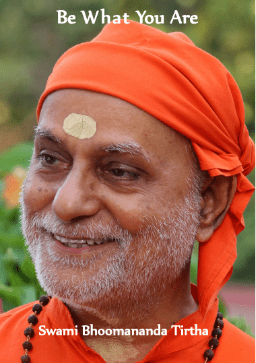
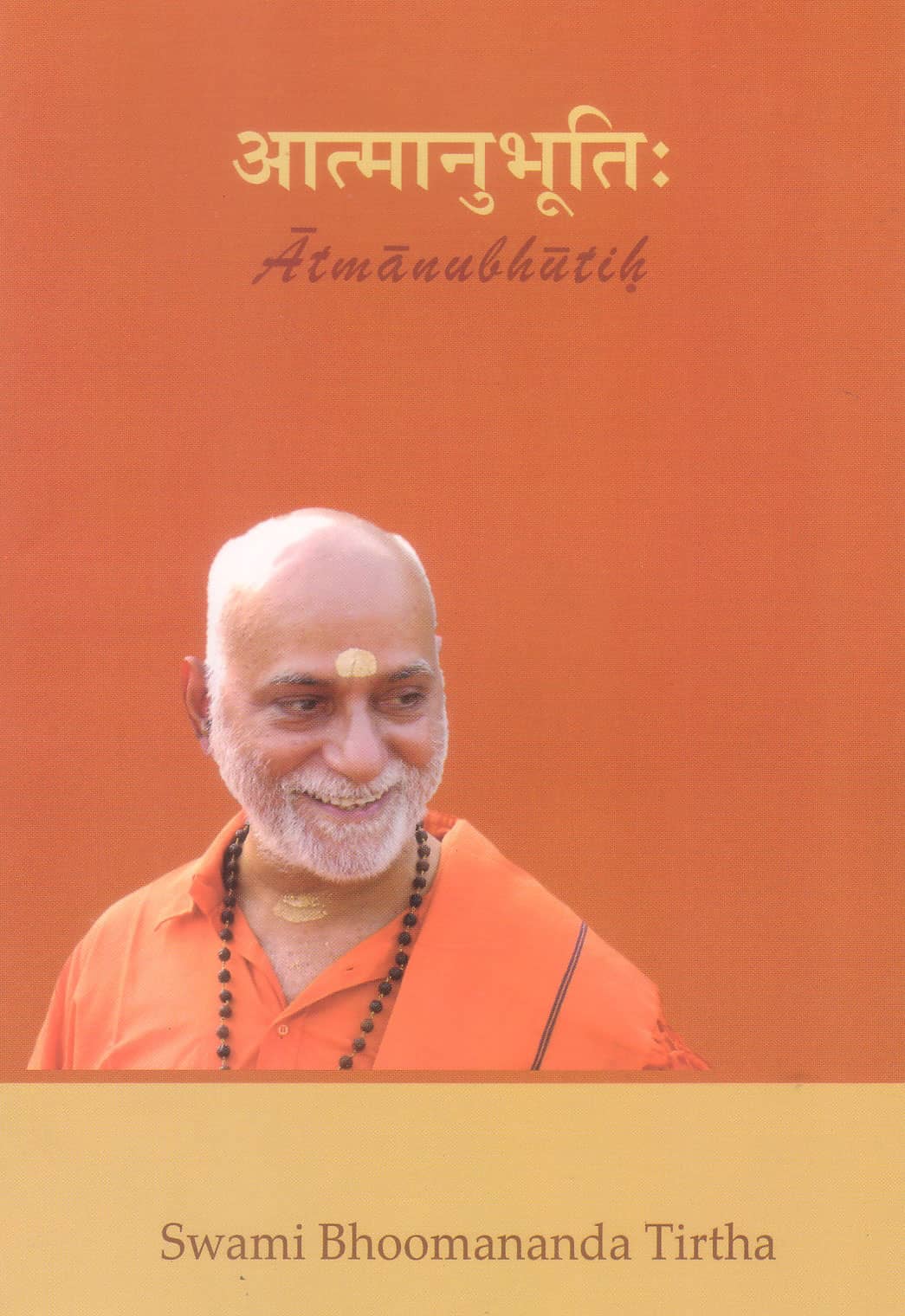


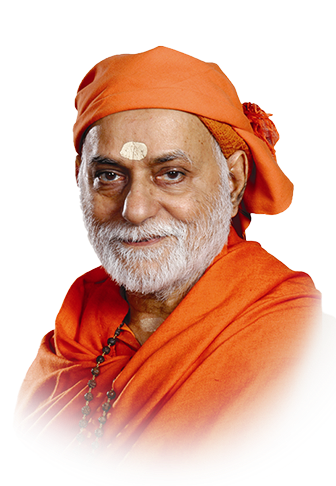

Experience a beautifully designed reading journey with authentic commentary by Poojya Swami Bhoomananda Tirtha.