Aṣṭāvakra Saṃhitā
A Dialogue on Self-realization

Chapter 3, Verse 13
Order Now 
Why should that wise person whose intelligence is stable, who knows that this visible expanse by its very nature is nothing tangible, think or see anything as ‘this is acceptable and this is rejectable’?
Iṣṭa, desirable, and aniṣṭa, undesirable, are the two inner urges driving human life as well as that of others. Krishna in Bhagavad Gita calls them dvandvas, like love and hate, gain and loss, good and bad, virtue and vice. Entire creation is a conglomeration of dvandvas. And the viveka, discrimination, to deal with, sublimate and transcend them, is the spiritual goal. Growth, enrichment and fulfilment of spiritual life consist in the insight, and mastery the seeker gains in transcending dvandvas. Applicational relevance of Self-realization consists in this alone.
Sage Ashtavakra emphasizes that the man of Self-realization must look at the dvandvas in the light of his Self-realization, so that his mind can float over them, as the body floats while swimming, overcoming the drowning power of water.
The Knower cannot always remain absorbed inwardly in the Self, shunning all activities and interactions. His interactional life will extend to many hours of the day. In order to strengthen his inner absorption as well as to be in full harmony and freedom, the only way is to rise above the feelings of ‘acceptable and rejectable’, treating everything alike, as an extension of the singular Self. As every bit of jaggery is sweet, so is the Self, in all its illusory display called the world. Be free of differentiation, swim and sport in the singular expanse of the Self consistently, without let or hindrance.


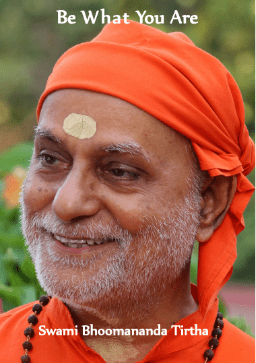
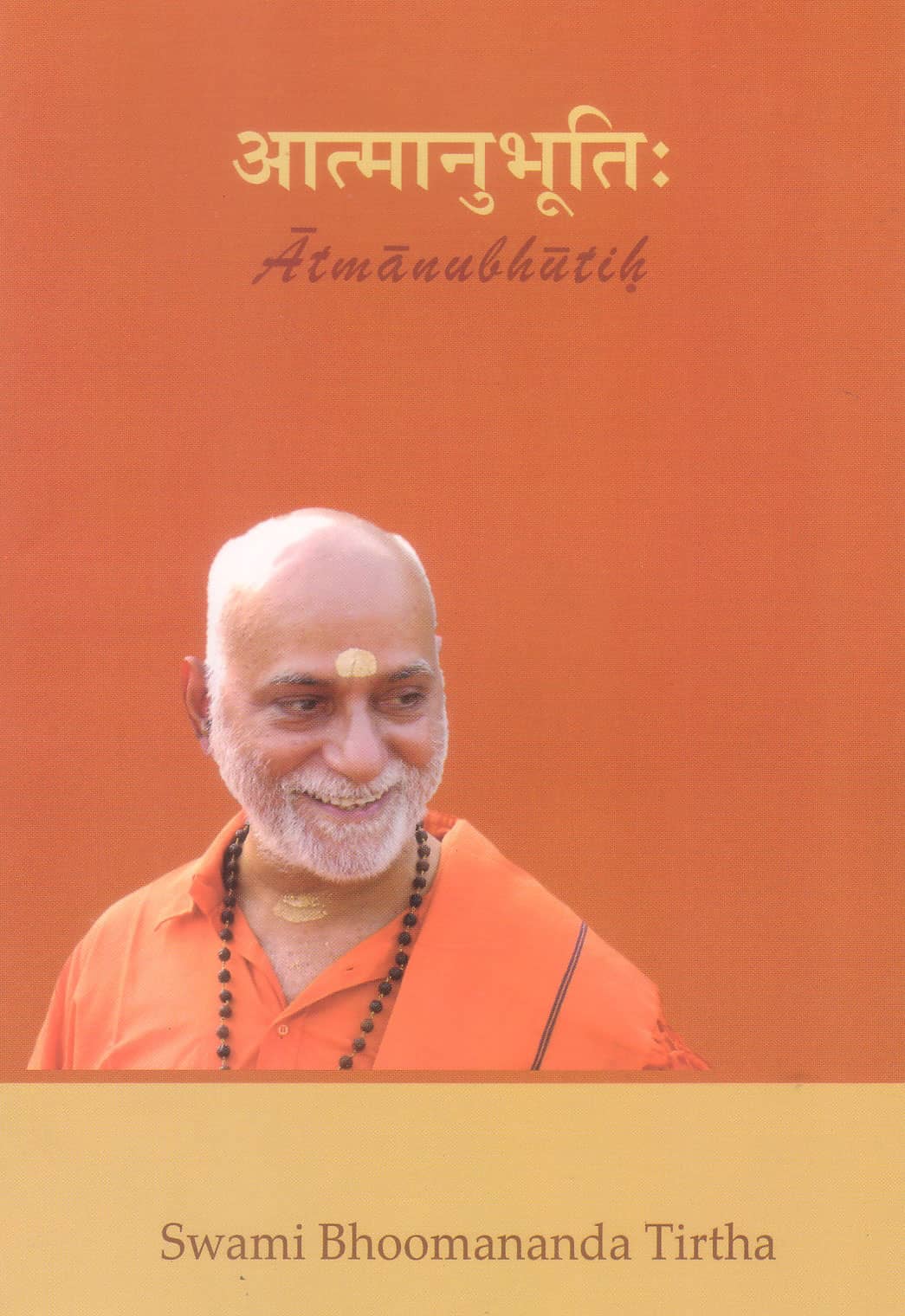


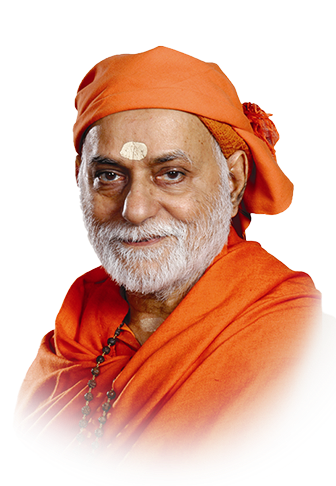

Experience a beautifully designed reading journey with authentic commentary by Poojya Swami Bhoomananda Tirtha.