Aṣṭāvakra Saṃhitā
A Dialogue on Self-realization

Chapter 3, Verse 5
Order Now 
It is strange indeed to find the enlightened, even after realizing that the Self is present in all and all are present in the Self, still pursues the sense of ownership.
Like cutting a diamond to shape it and make it glitter best, the Sage is bringing one point after another about Self-realization, highlighting the defects found in the Knower’s behaviour. Self is singular, absolute, permeative and all-pervading.
Whatever is perceived, is displayed in one’s mind within the body. Except as the mind’s imprints, you cannot perceive any existence or expression. So the Self is in all, and all are in the Self alone.
If this is so, where comes the question of the Knower hosting possessiveness? What will be there to possess? To possess something, the possessor and the possessed should be separate from each other. You cannot possess yourself. Can your hand possess itself? Can the body possess itself?
If all are in the Self, nay the Self itself, can the Self possess anything or anybody? But even in the enlightened, some vestige of possessiveness continues. It is strange, wrong, a grave conflict. Anything like that should be dismissed, disposed of for ever.
As Yajnavalkya tells his wife Maitreyi, in Bṛhadāraṇyka Upanishad (4.3.31), only when there are two, one can see another, touch and smell another. If altogether there is one alone, who will see whom and through what? To realize the Self means to realize the Oneness in full and drop all references to two or many.





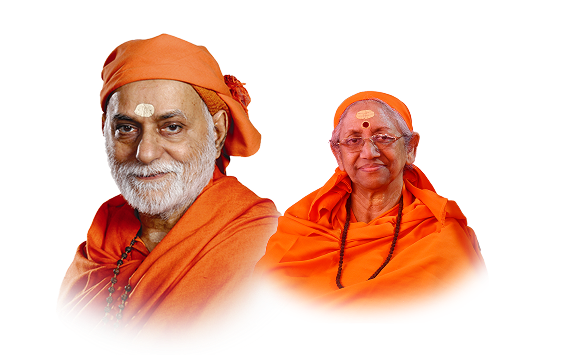
Experience a beautifully designed reading journey with authentic commentary by Poojya Swami Bhoomananda Tirtha.