Aṣṭāvakra Saṃhitā
A Dialogue on Self-realization

Chapter 5, Verse 1
Order Now 
Ashtavakra said: You have no clinging to anything. Pure as you are, what are you wishing to renounce or leave? Dissolving the idea of your being a complex entity, get into the inner spiritual dissolution.
Maharshi brings the spiritual concept of dissolution and wants the king to apply it on himself. What is this dissolution? Physical dissolution is not possible. Our body was born, without our knowledge or option. It will also fall one day, despite our wish or will. It cannot be dissolved. Even after death, it will be burnt or buried, not dissolved. Then what else can be done?
This is where true introspection is called for. The Sage makes his disciple do it well and is guiding him how to proceed to achieve this inner spiritual dissolution.
“You are pure”, says the Sage, a fact, truth, already conveyed and confirmed again and again. The ‘I’ in the physical body is not physical. It is pure, unalloyed Consciousness, which is supra-material. It cannot mix with anything else. It is all-pervading and singular, like space. Hence, with what will one have saṅga, clinging or relationship?
Is the fire attached to the firewood in which it blazes? Is water attached to the vessel it is kept in or the pipes it passes through? What about electrical power that circulates through metal conductors? Is it the least attached to the material wires? What is the truth about Consciousness then? It is all the more distinct, not clinging to anything!
Therefore, what should be done is to understand and realize this fact, nay truth, and by virtue of its strength, get rid of the idea that one is the body complex, saṅghāta.
Be in the body, as you already are. But dissolve the feeling and fervour that you are the body. You are ‘in’ the body, as the body is ‘in’ the house, which you have built for you to live in.
Dissolve the false notion, the wrong identity you foster, and see clearly every time that the ‘I’ is distinct from the body. That is why it is able to live in the body. If you were the house, will you be able to live in it? How can you wear your dress, if it is yourself? Why not see this simple truth and be free, undeluded and an asaṅgī?
Dissolution is of the ignorance about the ‘I’, by dint of the enlightenment you have gained by truthful introspection, contemplation and dissolving mental modifications. As the thoughts constantly surge forth, so they will also dissolve in meditation. Do you not sleep, despite intense activity for hours, leaving everything?
Usual sleep is a kind of unconsciousness. But this will be within the wakeful state itself, a conscious slumber. Both are equally possible, provided you first know about it and then strive to translate the knowledge into an experiential fruition.
Sleep is biologically induced. The inner dissolution is a result of conscious striving, pursued on the basis of the enlightenment you gain by truthful spiritual introspection and contemplation.
Instead of being in pravṛtti, the seeker should resort to nivṛtti. Both are gained by human effort, option, pursuit and attainment. No doubt.


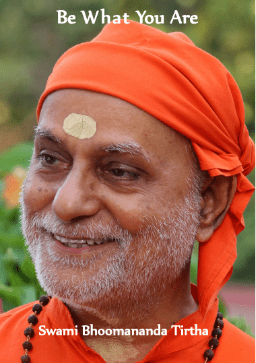
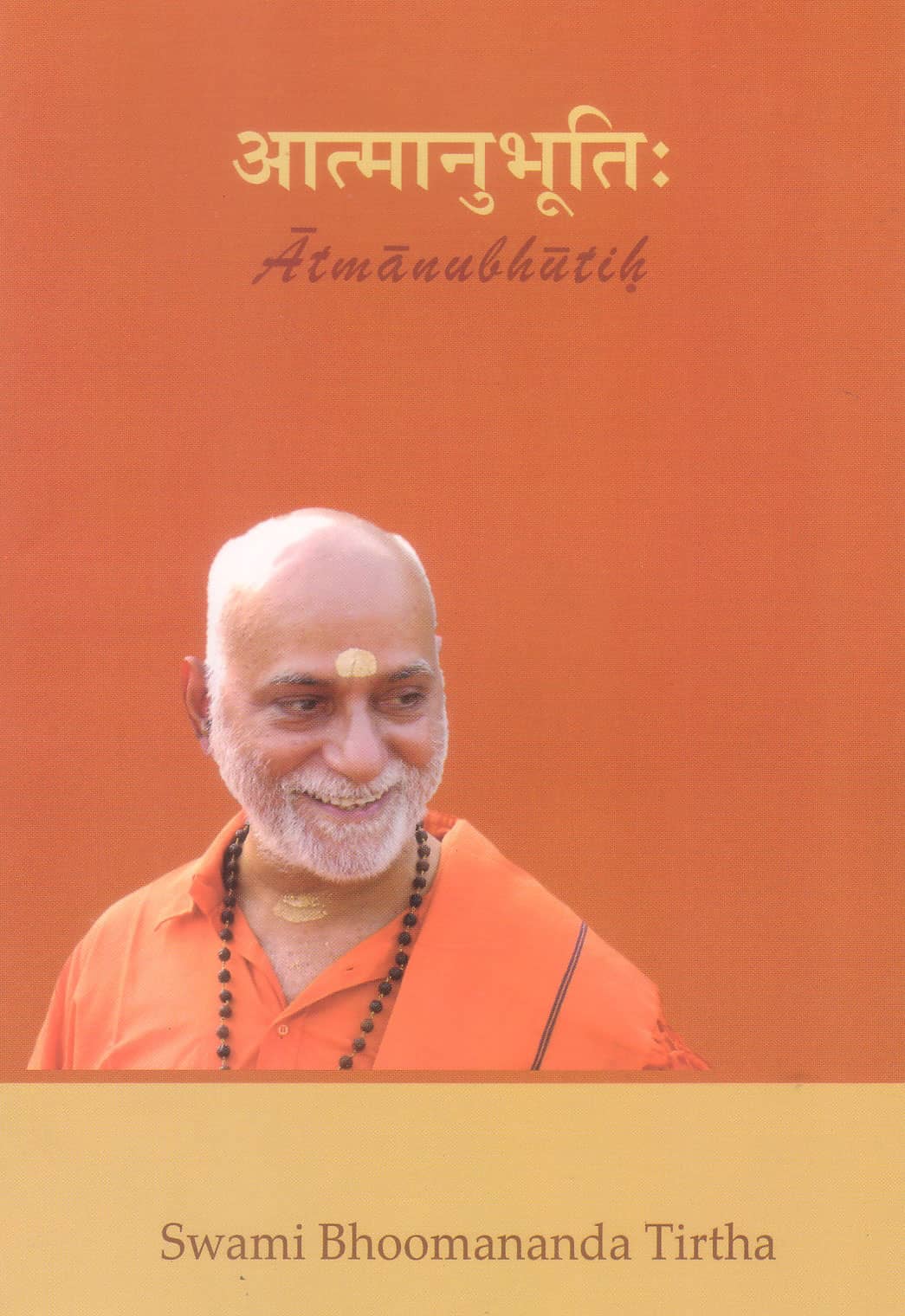



Experience a beautifully designed reading journey with authentic commentary by Poojya Swami Bhoomananda Tirtha.