Aṣṭāvakra Saṃhitā
A Dialogue on Self-realization

Chapter 4, Verse 2
Order Now 
Intending to achieve which abode Indra and all other gods become miserable, abiding there gallantly the yogi feels no exultation.
Though the seeker is supposed to have abundant dispassion to the perishable objects of the world, he loses no contentment or delight at all. For, the Self he realizes, is the sole source of whole existence. Hence it is the infinite source of delight too. Even if you were to have the entire Earth and mountains of gold, the resulting joy will not match what the Yogi gains from his inner Self. This is what Indra and all other gods yearn to achieve, but are not able to, and hence become miserable.
The joy emanating from the inner spiritual abode is so profuse, abundant and wholesome, that the Knower looks for nothing else. Sage Ashtavakra points that the inner spiritual enrichment of the Yogi is so great and transcendental that he hankers not for ‘delight’ even. In other words, the Knower becomes a nir-dvandvaḥ. He transcends delight and depression alike.
As Krishna puts in Bhagavad Gita, the Yogi abandons both virtue and vice (2.50 ). Normally, people want to shun vice and gain virtue. The yogi is inwardly so abundant that he has no need for the customary virtue, sukṛta. Imagine the loftiness of the state, where one outlives even delight, virtue, reward or fortune.
One seeking virtue has to abandon vice. This means his gain is only half of what is there. Whereas the Yogi enjoys everything wholesomely. He rises above the halves. Spirituality is transcendental in every way.


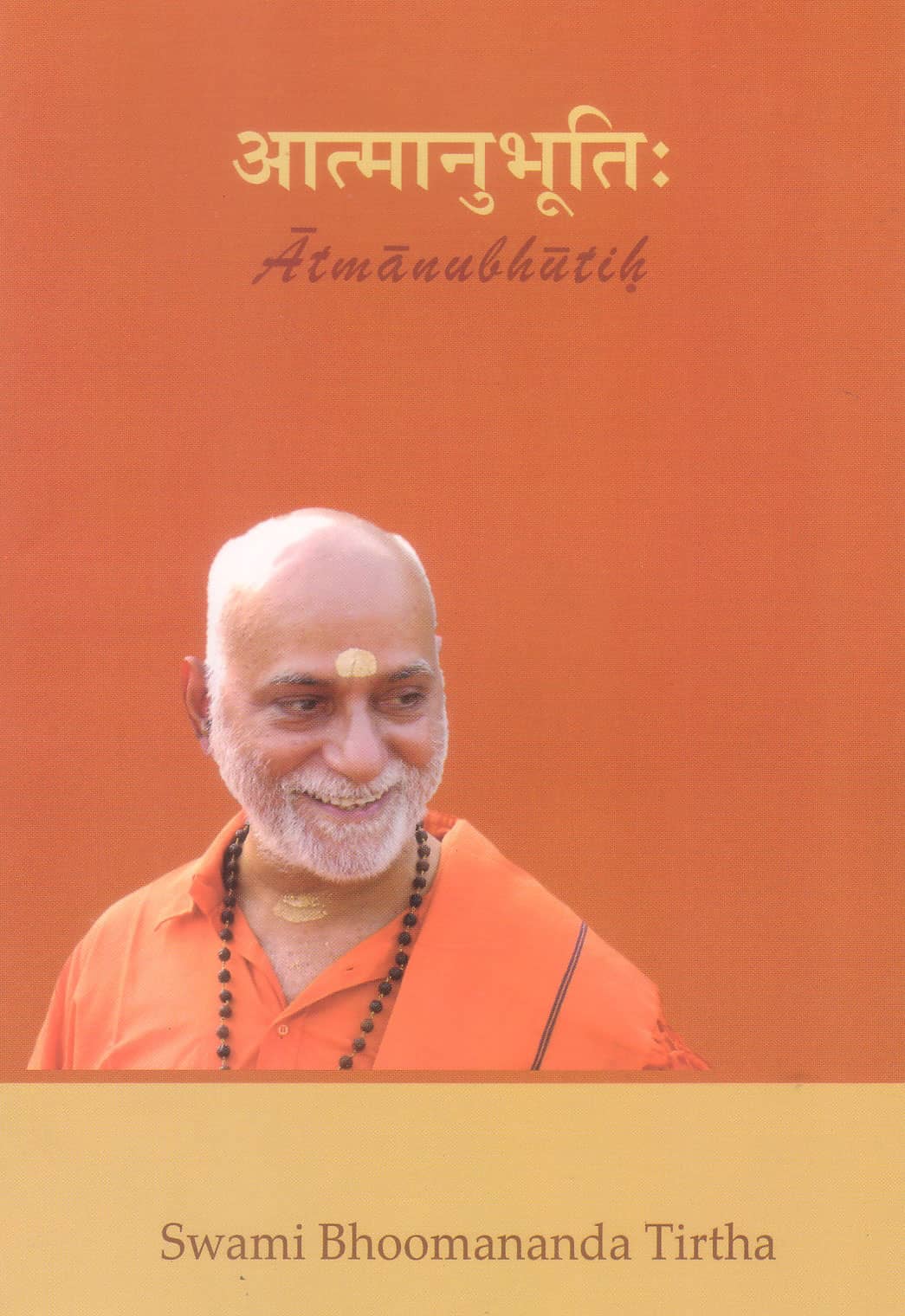


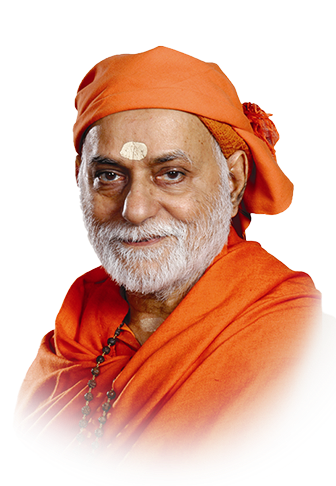

Experience a beautifully designed reading journey with authentic commentary by Poojya Swami Bhoomananda Tirtha.