Aṣṭāvakra Saṃhitā
A Dialogue on Self-realization

Chapter 15, Verse 8
Order Now 
Be attentive, O dear son, be attentive; do not give in to delusion here. Your nature is wisdom, you are Lord himself, the Self, the absolute, transcending nature.
Only from an exalted Teacher such affectionate words as Sage Ashtavakra expresses here can emerge. The otherwise rare spiritual wisdom becomes accessible, easy and nourishing, when a benevolent Teacher exposes it affectionately. The Teacher’s words, looks and touch, all are ineffably soothing and enlightening. That is why the pedestal of the Guru is incomparable in every way.
See what Sage Ashtavakra says: “Be attentive, dear son, do not get deluded.” Everyone is born with delusion as Krishna explains in Bhagavad Gita (7.27 ). Delusion being inborn, it is hard to get over it. Ignorance is its cause. Wisdom alone can dispel it. Spiritual pursuit is all wisdom from beginning to end. Whether discrimination or dispassion, yearning for liberation or the associated disciplines, virtues and restraints, it is pursuit of knowledge in greater and greater measure. The Knower at last feels full and complete, as the Sage explains so profoundly and repeatedly.
He tells the seeker affectionately: “Your nature is knowledge. You are the Supreme, the Lord, the Self. As such, you are the absolute, transcending Nature and its three guṇas. This is not something the seeker has to create or achieve. It is the truth ever-enduring. Seeker has only to comprehend and realize it. To comprehend something, already present with its characteristics and qualities, is different from searching and finding it.
That is why the words of the Guru and the scriptures become paramount. Seeker has to attentively listen to and grasp the message well, then pursue it relentlessly.
As mentioned earlier, Bhagavan is a synonym for the Self, a point that seekers have to bear constantly in mind. In our culture, it is for us to explain the meaning, relevance and significance of the words and ideas we use.
Thus, for our thinkers, Bhagavan represents one who has the six excellences called ‘bhaga’:
These denote full prosperity, righteousness or dharma, fame, felicity, wisdom and dispassion. Sri Krishna embodied all these. Whoever does so is considered Bhagavan. Bhagavad Gita is so called because it has come from a Bhagavan, and it also aims at making the listener a Bhagavan.
As Janaka absorbs and instantly realizes whatever the Sage explains, the Teacher rightfully calls him a ‘Bhagavan’. India’s cultural wisdom and exposition have to be understood keeping superstitions and delusions away. The seeker must apply the message directly on himself, achieve the necessary purity, clarity and wholesomeness for realizing the supreme Truth of the Self.
Sage Ashtavakra addresses king Janaka as Bhagavan, because he felt the king had all the excellences to make him Bhagavan. To realize the Self, the source and substratum of the entire amazing creation, constitutes the acme of all excellences. Naturally a Self-realized person becomes a Bhagavan as well!
Krishna has repeatedly stated that many following his instructions have become like him – a very significant revelation indeed!


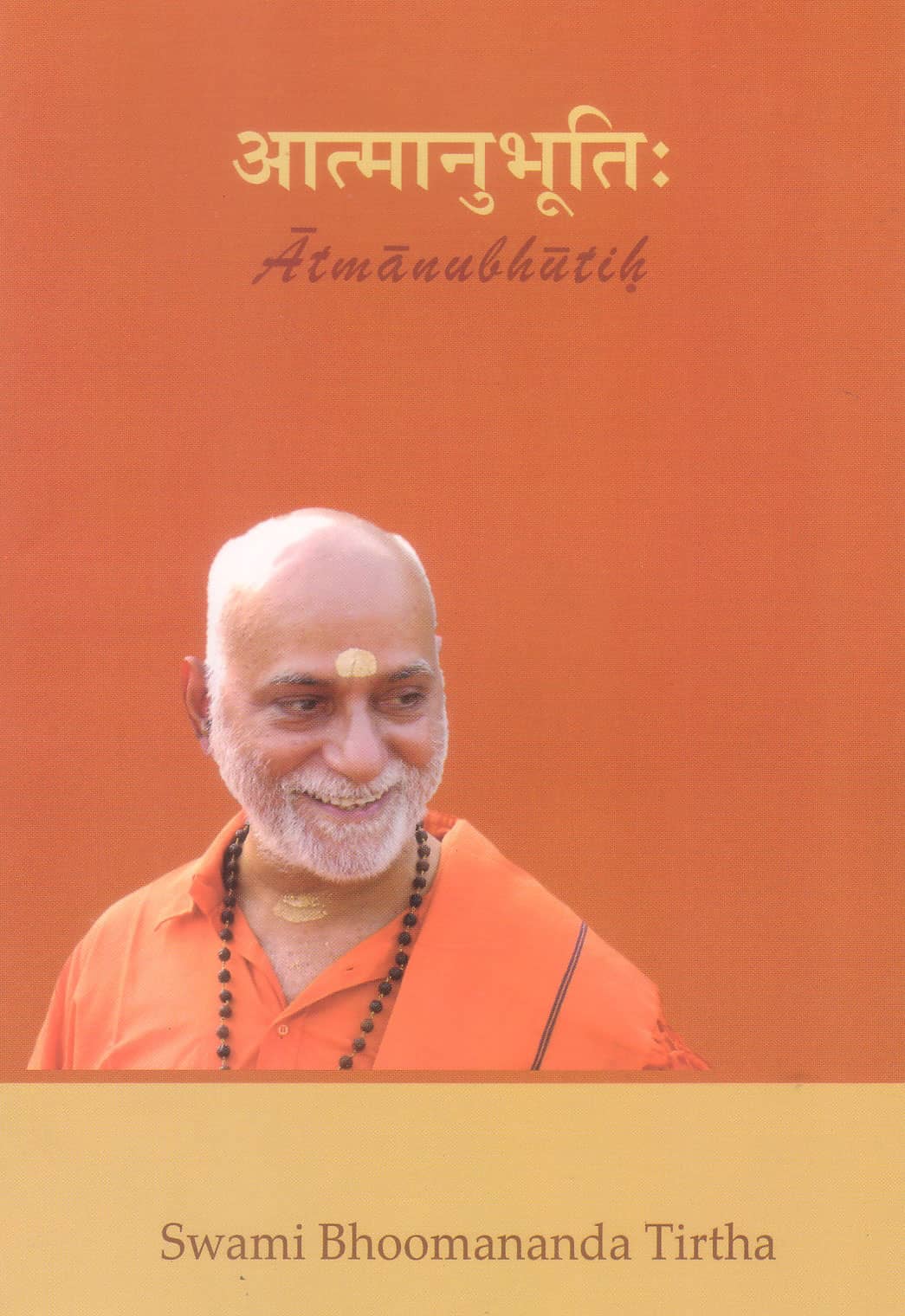


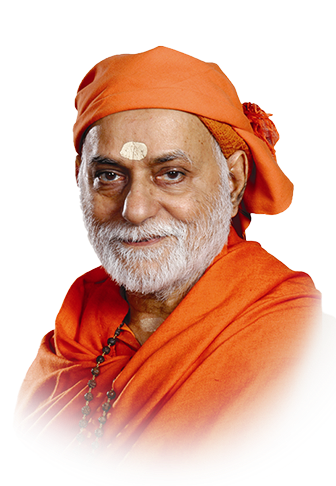

Experience a beautifully designed reading journey with authentic commentary by Poojya Swami Bhoomananda Tirtha.