Aṣṭāvakra Saṃhitā
A Dialogue on Self-realization

Chapter 12, Verse 3
Order Now 
Only when there is distraction due to sameness of superimposition and the like, practising samadhi becomes relevant. Understanding this rule, I rest steadily in myself.
Janaka rises to the acme of subtlety and perception. Spiritual enquiry begins with discriminating the eternal from the ephemeral, the sentient Soul from the inert body. As discrimination grows, the Self is construed in its own singular, universal nature.
The seeker practises samadhi to dissolve mind-modifications in their very source, the singular Consciousness. Being all-pervading, Consciousness gives no room for a second entity. If all is the Self, and the Self is all, how can you differentiate it from the body or the world? It is all the Self, its expression and display.
It is like your wakefulness, sleep and dream. Do these states change you? Your power alone displays them. In all the three states, is there anyone besides you? Are not gross wakeful-expansion, sleep-dissolution and dream-expansion your own manifestation? Are there three or only one? By manifesting the three, you have an opportunity to gauge your potential, majesty, and magnitude.
So, never think of many. Once your introspection rises to this dimension, where is the need to practise samadhi at all? To think of any such practice will be a repudiation of oneness and its absoluteness.
A Flair for and indulgence in samadhi will be an abysmal fall from Oneness and its absoluteness!


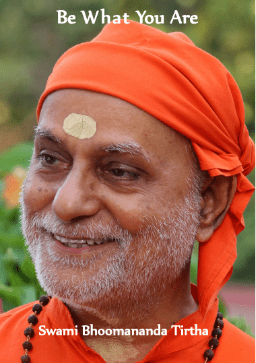
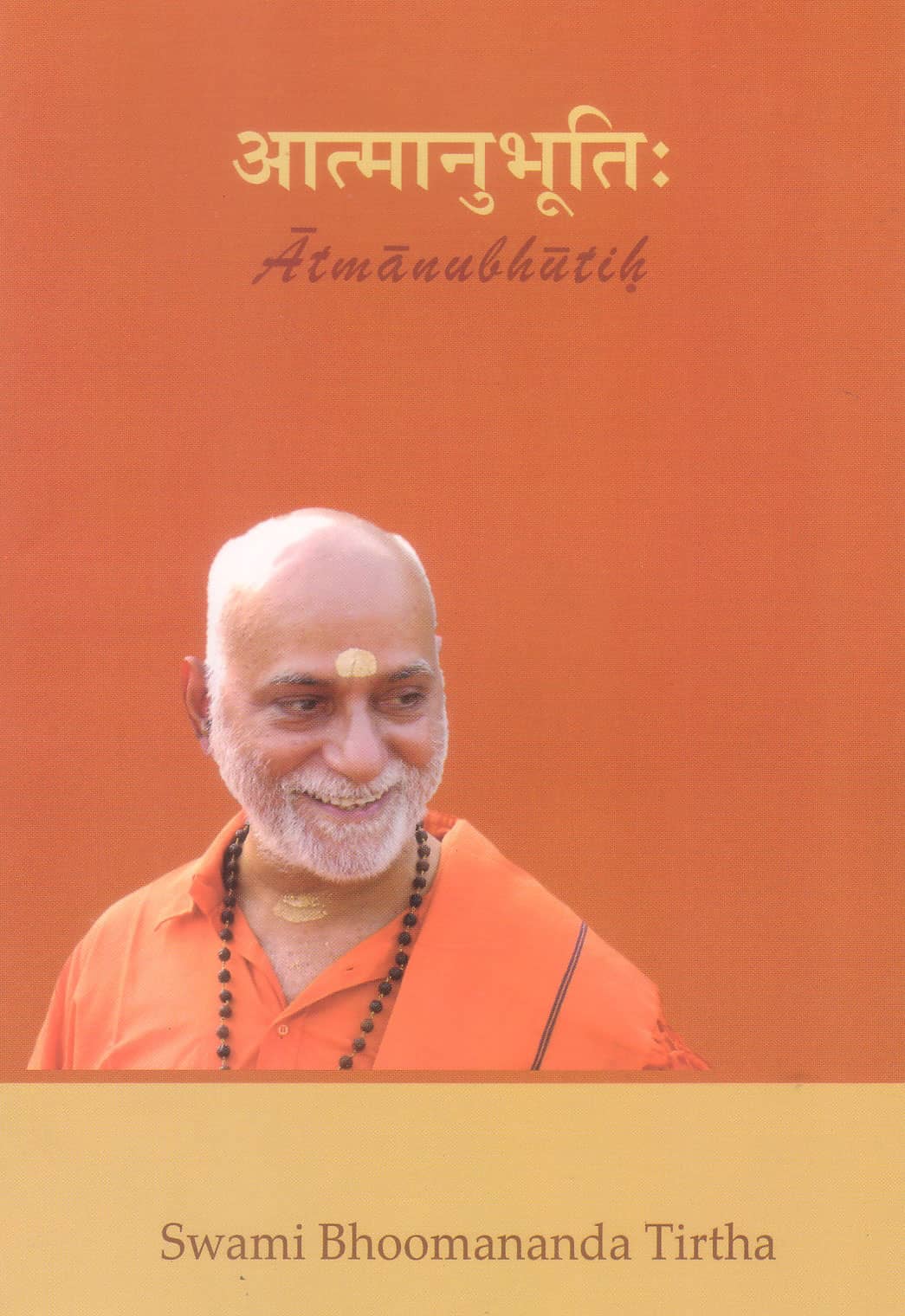


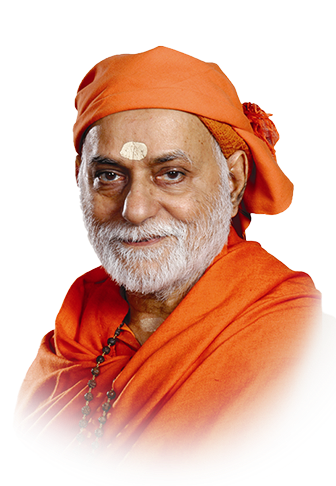

Experience a beautifully designed reading journey with authentic commentary by Poojya Swami Bhoomananda Tirtha.