Aṣṭāvakra Saṃhitā
A Dialogue on Self-realization

Chapter 9, Verse 6
Order Now 
Is not the one, who, having gained a full knowledge of Pure Consciousness, possessing qualities of indifference and equanimity, takes people across worldliness, the real Guru?
This text with 20 chapters and 297 verses is a Samhita, a compendium, which discusses a subject threadbare, systematically, from various angles. Describing the Self first (Ashtavakra 1.3 ), Maharshi has been explaining the concept variously to enable Janaka to realize it with ease and clarity.
In our body, made up of pañca-bhūtas, it is the spiritual presence that makes us conscious of the body, life and living. Though senses cannot penetrate within the body, we clearly know about our mind, thoughts, feelings, emotions, knowledge and memory. What bestows this inner knowledge? Evidently the spiritual presence within. It makes us conscious of other things as well. Because it makes us conscious of, it radiates consciousness, we call it Consciousness. Being not accessible to senses, to experience it is very rare, delicate. The seeker’s intelligence has to be exceedingly sharp and perceptive.
Consciousness is not a substance, but it reveals all substances. You have to discern it as pure awareness, sentience. You do not have to search for it anywhere else. It is closer to you than your body. It alone enlivens the body. It also propels all activities. Look for it through your thoughts, feelings and emotions, finding out from where do these emerge. When all thoughts and feelings subside, you cannot miss its presence.
One realizing it as himself, his Self, can alone impart its knowledge to others. To explain the subject of Self-realization is also to show who can impart it well. The whole pursuit is experiential and exclusive. None can miss or mix it up.
As your eyes see an object, you also know the presence of the eyes. Likewise, you also know what or who thinks and feels.
To enable the seeker to experience the Self, stark indifference to sensory enjoyments and equanimity towards all dvandvas beginning from sukha-duḥkhas are indispensable. All sensory interactions fetch suhka-duḥkhas. World consists of dvandvas alone. Equanimity thus covers everything in the world.
The two qualities, as already mentioned, are the wings of the seeker-bird. It is his own direct experience of the impersonal, impartial, invisible Self that empowers the Knower, as the Sage evidences here, to impart the knowledge with mastery.
How confidently, boldly the Sage went to Mithila palace. How subliminally he reacted to the scholars’ derisional laughter! The still greater wonder is how the great King was humble enough to discern the Sage’s greatness and seek from him true spiritual wisdom! Indifference and equanimity are indispensable qualities of the Self-knower!


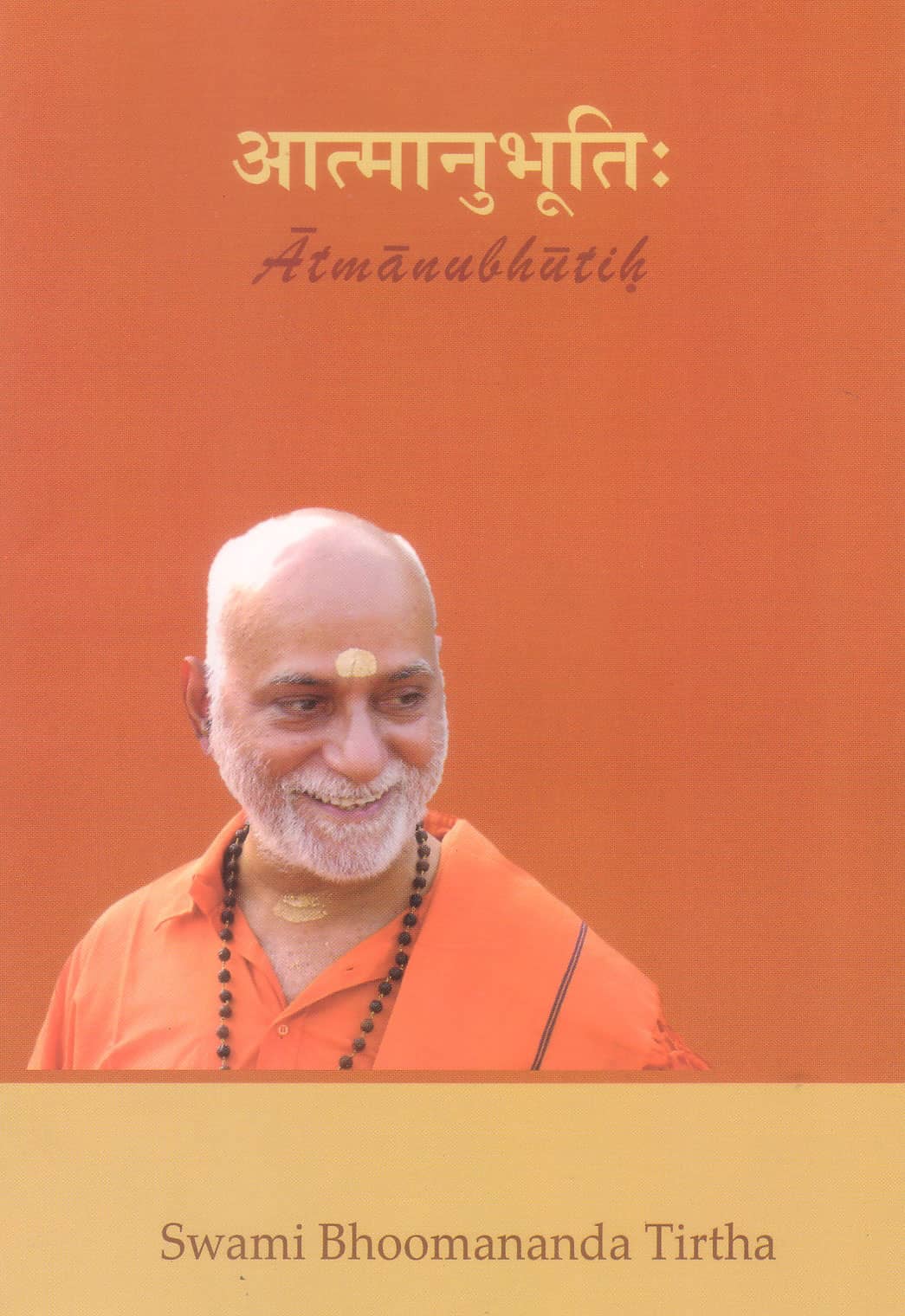


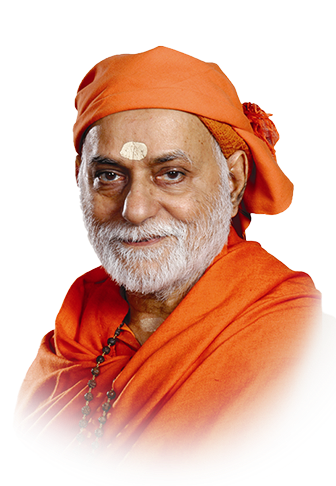

Experience a beautifully designed reading journey with authentic commentary by Poojya Swami Bhoomananda Tirtha.