Aṣṭāvakra Saṃhitā
A Dialogue on Self-realization

Chapter 9, Verse 4
Order Now 
What is the time and age, when humans will not have to face dvandvas? Therefore, if one, abandoning them all, follows whatever chance brings, he attains spiritual perfection.
The world, spiritually viewed, is made up of dvandvas alone. Life is an interaction between the living individual and the rest of the world. In this the interacting individual remains the same throughout. Only the objects interacted with, go on changing. Despite all this, the interactional outcomes in the subject individual remain the same. In the sensory level, it is in all five: sound, touch, taste, colour and smell. They together produce in the mind only two responses, sukha and duḥkha, a set of dvandvas. Despite all the differences in objects, the mental dual remains the same. Krishna makes this point very clear in Bhagavad Gita (2.14 ). World as a whole has nothing more to give.
Ashtavakra Maharshi conclusively states that there will be no time or place when dvandvas will cease. So whatever the seeker intends to achieve has to be in and through dvandvas alone. And the one way of gaining spiritual perfection is to accept with poise and harmony, whatever Chance brings every time. In Gita (4.22 ), Krishna also says yadṛcchā-lābha-santushṭah, to be content with whatever one gets from the hands of Chance.
Contentment is always inner and emotional. Hence not related to any outer object, it belongs to the mind. Mind should not swing with interactional outcomes of sukha and duḥkha, instead should be evenly disposed towards both. Then the entire life and world will be uniformly pleasant and harmonious.


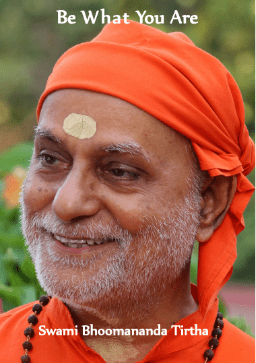
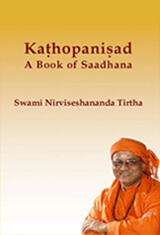
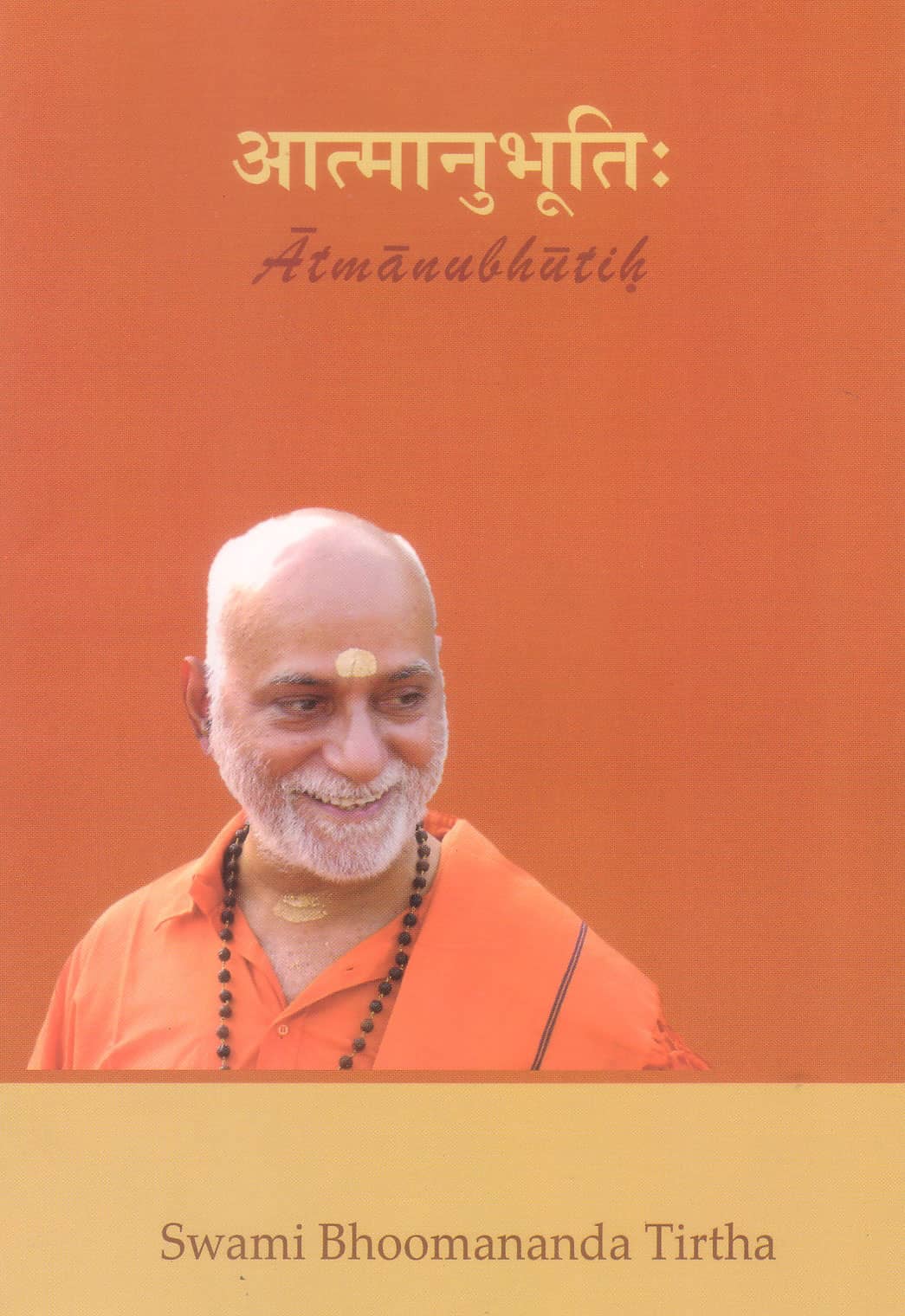


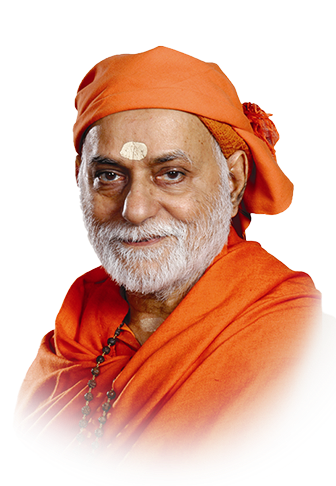

Experience a beautifully designed reading journey with authentic commentary by Poojya Swami Bhoomananda Tirtha.