Aṣṭāvakra Saṃhitā
A Dialogue on Self-realization

Chapter 18, Verse 85
Order Now 
Contentment greets the wise one everywhere, when he moves freely as he wishes, living on whatever chance brings, and resting wherever he has reached when the sun sets.
Contentment, contrary to what people in general think and pursue, is a property, creation of the mind; discontent also. To have joy, happiness or contentment the seeker should look only to his mind, nothing and nowhere else. So, drop the habit of desiring and striving to acquire the desired objects. Teach the mind to rejoice in the bliss of desire-freeness. Once the mind is free from the clutches of desire and resultant emotional urges, one can live and move freely without any inner constriction whatever.
Be like the python, which does not exert to catch its prey. Something or the other somehow comes and falls into its open mouth, which it then swallows. Its lineage also survives. Likewise, for one not indulging in sensory delights, instead rejoicing in the Self shunning all undertakings to have a life of standards, the right way is what chance brings. Like so many others, this is fulfilling to the seeker and Knower.
The Sage says one taking to this kind of mendicant’s life of freedom and inner delight, the resting place is wherever he reaches as the sun sets, fostering no choice or selection. He leaves everything to the harmony of nature. Breathing nature’s air, drinking nature’s water, eating nature’s fruits and roots, he walks on nature’s earth and rests on earth’s own lap. What a life of inner poise, beauty and fulfilment!
How exuberantly our great ascetic poets have sung the glory of dispassion! For one, who has courage as his father, patience as the mother, peace as the consort, truth his son, compassion his sister, mental control his brother, earth itself as his bed, the four directions his dress, nectar of spiritual wisdom his food, where is any fear or constriction (Subhāshitam ).
How figuratively, the sage Poet reveals the depth and majesty of the human mind! Whereas ordinary people go on complaining about a variety of lacks and disadvantages in their life, a host of denials and deprivations, here is a culture pointing to a state of inner fullness and abundance, whereby the discreet individual casts off every esteemed possession and wanders on the earth undeterred by anything and anyone, radiating a state of opulence and sufficiency, putting the rich and the aristocratic to total shame and triflingness!
All this is the wonder the human mind and intelligence together work, master and display in this country right from immemorial times. Even some kings dejected and afflicted by the punishments they meted out to their subjects, which later disproved propriety, straightaway abandoned the throne and walked barefoot to the solitude of forests. They spent the rest of their life basking in the cool shades of trees, surrounded by birds and animals, feasting in the affluence of nature and preserving their lineage for countless millennia.
King Bhartrihari was one graced by this rare quality and excellence. He spent the rest of his life in austere introspection, as a result of which he wrote three centuries of verses, of which the Vairagya-śatakam, the hundred compositions on dispassion, become relevant to our discussion. Ardent seekers study, remember and recite these to rear and excel in the deliciousness of dispassion.


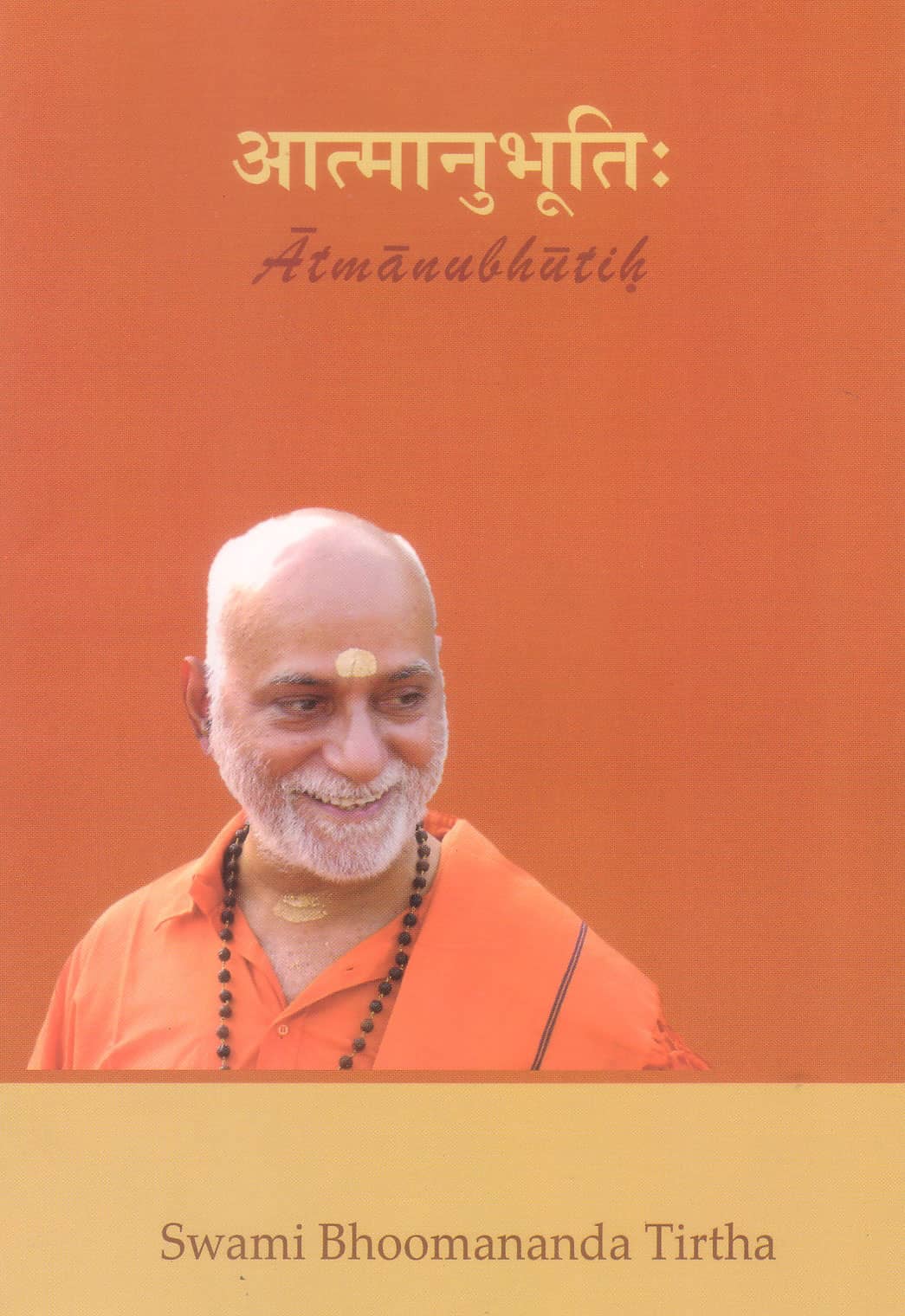


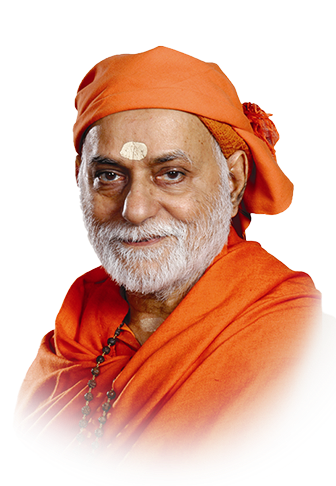

Experience a beautifully designed reading journey with authentic commentary by Poojya Swami Bhoomananda Tirtha.