Aṣṭāvakra Saṃhitā
A Dialogue on Self-realization

Chapter 18, Verse 8
Order Now 
Resolving very clearly that the Self is itself Brahman, the supreme Reality, and existence and non-existence are both imaginations, what does the desire-free one understand, speak and do?
Ātmā, the Self, is the presence denoted by the term ‘I’. Brahman denotes the supreme Reality, the substratum of transitoriness displayed all around. Both are not different. Knowing this well, the Knower has nothing to think of as separate from him or another besides. Brahman alone being there, and his Self being Brahman, how and for what can he think of desiring? Self alone is the source of everything, and it is itself blissful. Can jaggery seek sweet, and will it ever? Again does the sun look for brightness? Can Knower yearn for anything besides blissfulness, that he himself is?
This is his fundamental and ultimate thought. It rules out all search or need. What, if at all, he has to do is to stop all search and need, making his realization comprehensive and ever-lasting.
For ordinary people, existence is what the senses perceive outside. For the Knower, senses are but instruments. Consciousness itself is what causes perception, which is exclusively inner. Analysed closer, Consciousness displays imprints of the body, senses and objects.
Existence and non-existence are conceptual, hence imaginary. Thus, the Knower becomes free of desire as it relates to imaginary things. His body may or may not act, but that does not dislodge him from his direct, personal realization of the absoluteness of Self.


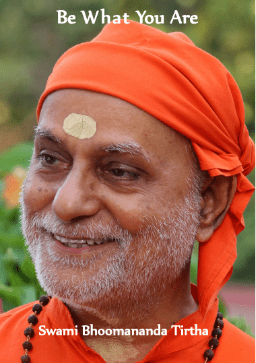
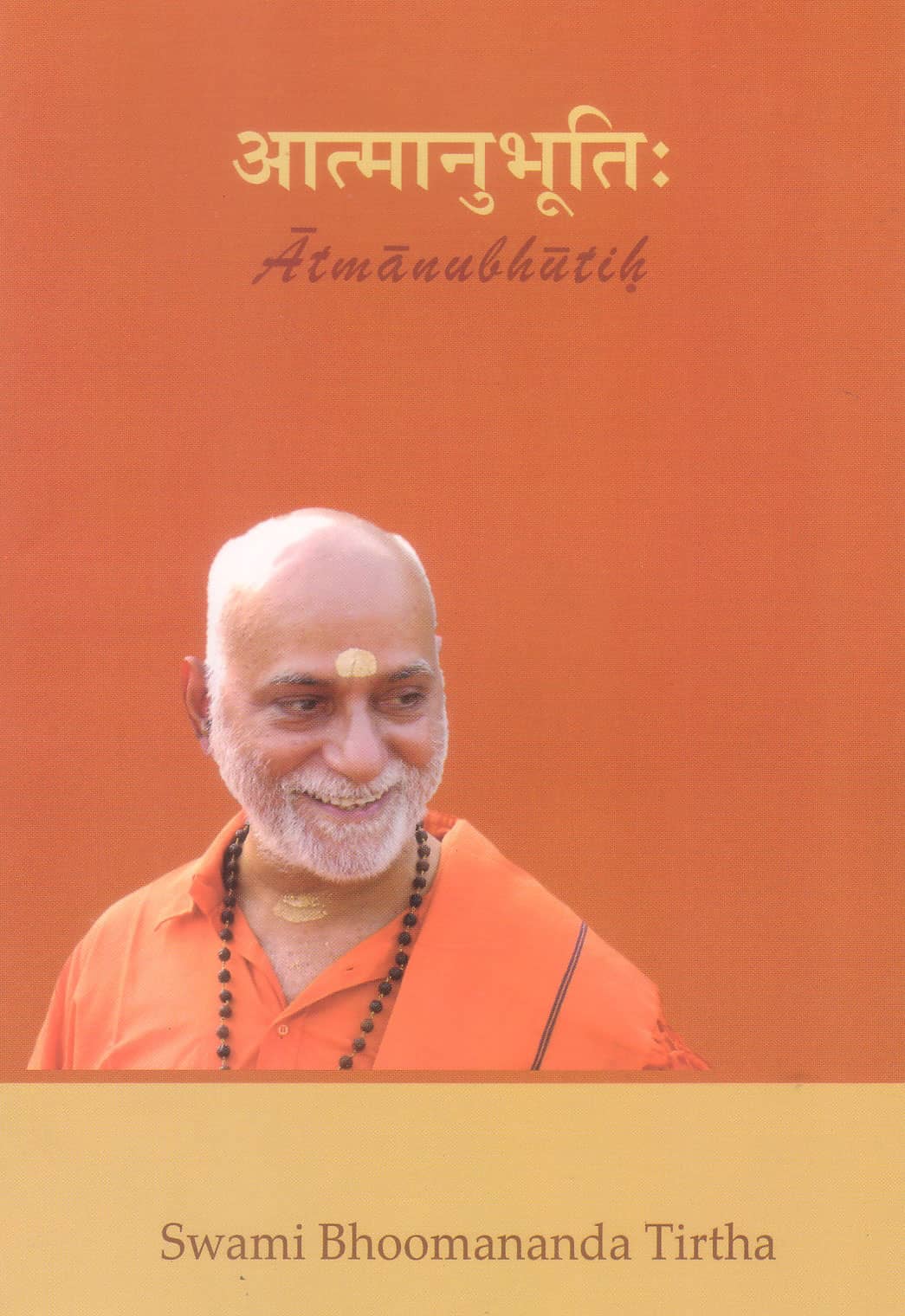



Experience a beautifully designed reading journey with authentic commentary by Poojya Swami Bhoomananda Tirtha.