Aṣṭāvakra Saṃhitā
A Dialogue on Self-realization

Chapter 18, Verse 20
Order Now 
For the wise one, who sits comfortably doing whatever is to be done, whenever, there is no discomfort either in active involvement or dis-involvement.
As already emphasized, Nature keeps all living beings active in different ways through its guṇa constituent. To live in conformity with this activity cycle is pravṛtti-niṣṭhā. Nivṛtti-niṣṭhā implies withdrawal from this, to devote wholesomely to spiritual contemplation and meditation. Very few alone will have the necessary maturity and insight to take to this path of withdrawal and exclusive contemplation.
Involvement in activity as well as dis-involvement comes under dvandvas. Like so many other dvandvas, the true seeker has to transcend these too. The Knower thus has no preference for pravṛtti or nivṛtti, nor any prejudice.
When thus pravṛtti and nivṛtti lose their relevance, one lives in a state of transcendence, where no discipline, restraint or denial matters. All are within the realm of relativity and fall short of the supreme non-dual Truth, which alone has the potential to make the seeker free and full.
This is an exceedingly exalted position one reaches within himself. It does not the least violate Nature’s laws and persuasions. On the other hand, the Knower has optimum harmony with Nature and whatever it stimulates and bestows. So, he does whatever is to be done from time to time, for one reason or another, and remains calm and comfortable within himself.


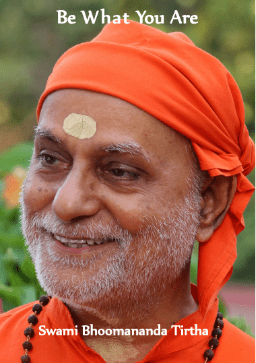
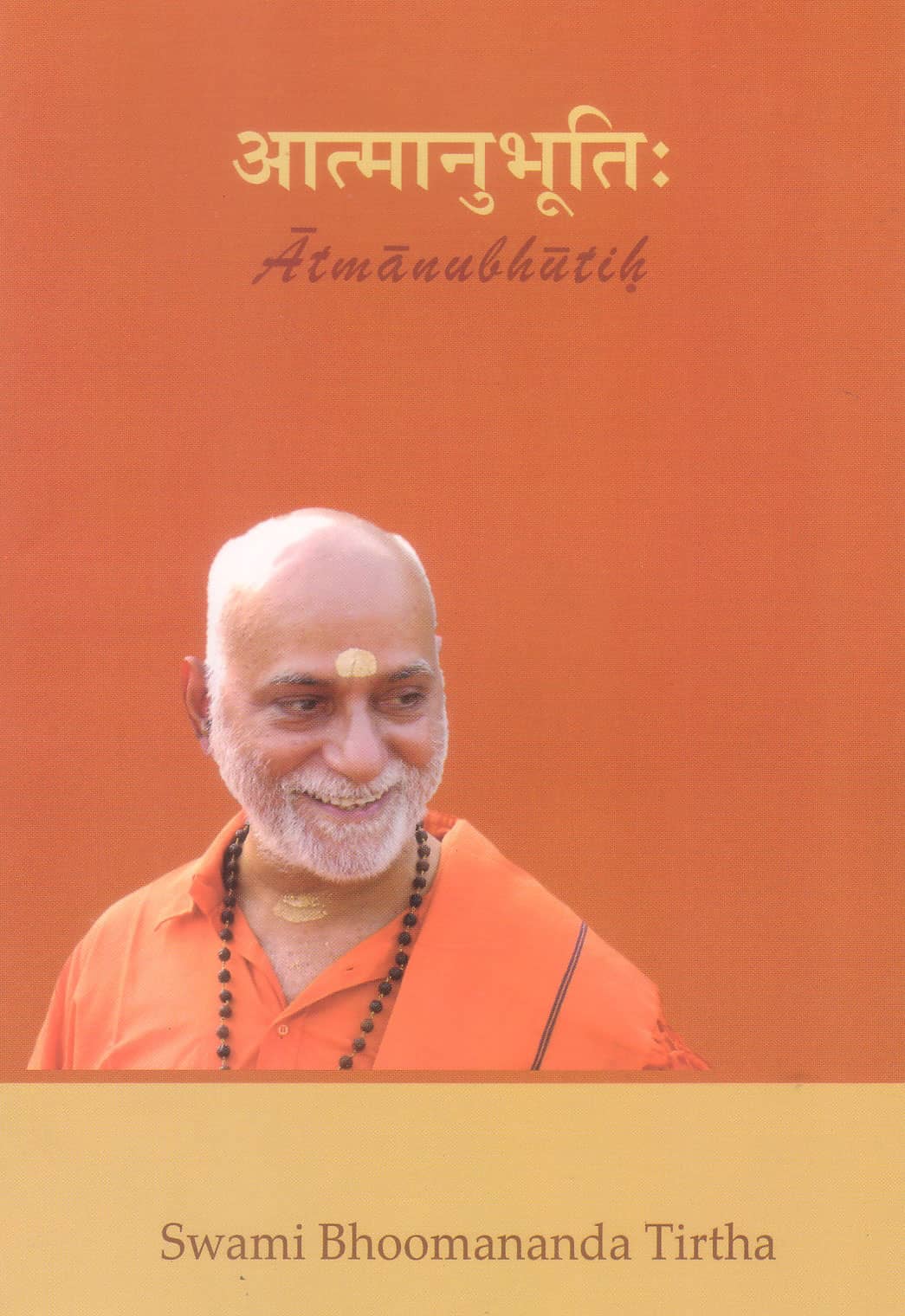


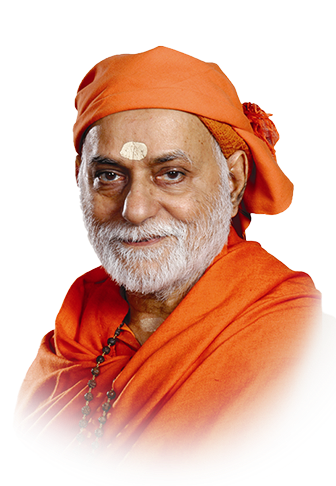

Experience a beautifully designed reading journey with authentic commentary by Poojya Swami Bhoomananda Tirtha.