Aṣṭāvakra Saṃhitā
A Dialogue on Self-realization

Chapter 9, Verse 2
Order Now 
By noticing the involvements and indulgences of people, dear son, has the desire for life, enjoyment and knowledge subsided for any fortunate person?
Our intelligence is meant to study and evaluate whatever data the mind collects through the senses by interacting with the world objects. Intelligence has to be sharp to distinguish between good from bad, and right from wrong. When this discrimination, viveka, is applied to arrive at what is fleeting and what is lasting, it becomes nitya-anitya-vastu-vivekaḥ, the first of the four prerequisites (sādhana-catushṭayam) for taking up Self-enquiry. Viveka rightly pursued will develop dispassion because all objects of the world including our body are fleeting. And from the fleeting we cannot derive any lasting contentment.
So, we have to look for what is different from the fleeting objects, namely the Self, which remains ever as witness to the whole objects. But this kind of discrimination and dispassion are rare to find. Hence spiritual seekers also are few.
Sage Ashtavakra points that despite the fact that the world objects, right from Brahmā down to a clump of grass, are transitory and hence cannot bestow lasting contentment, where is the one who has left his yearning for life and enjoyment, even knowledge? Not many grow dispassion and turn to the blissful Self.
Delusional clinging dominates every one, and consequently the whole humanity runs after ephemerals. The right course will be to cultivate discrimination and dispassion the earliest.


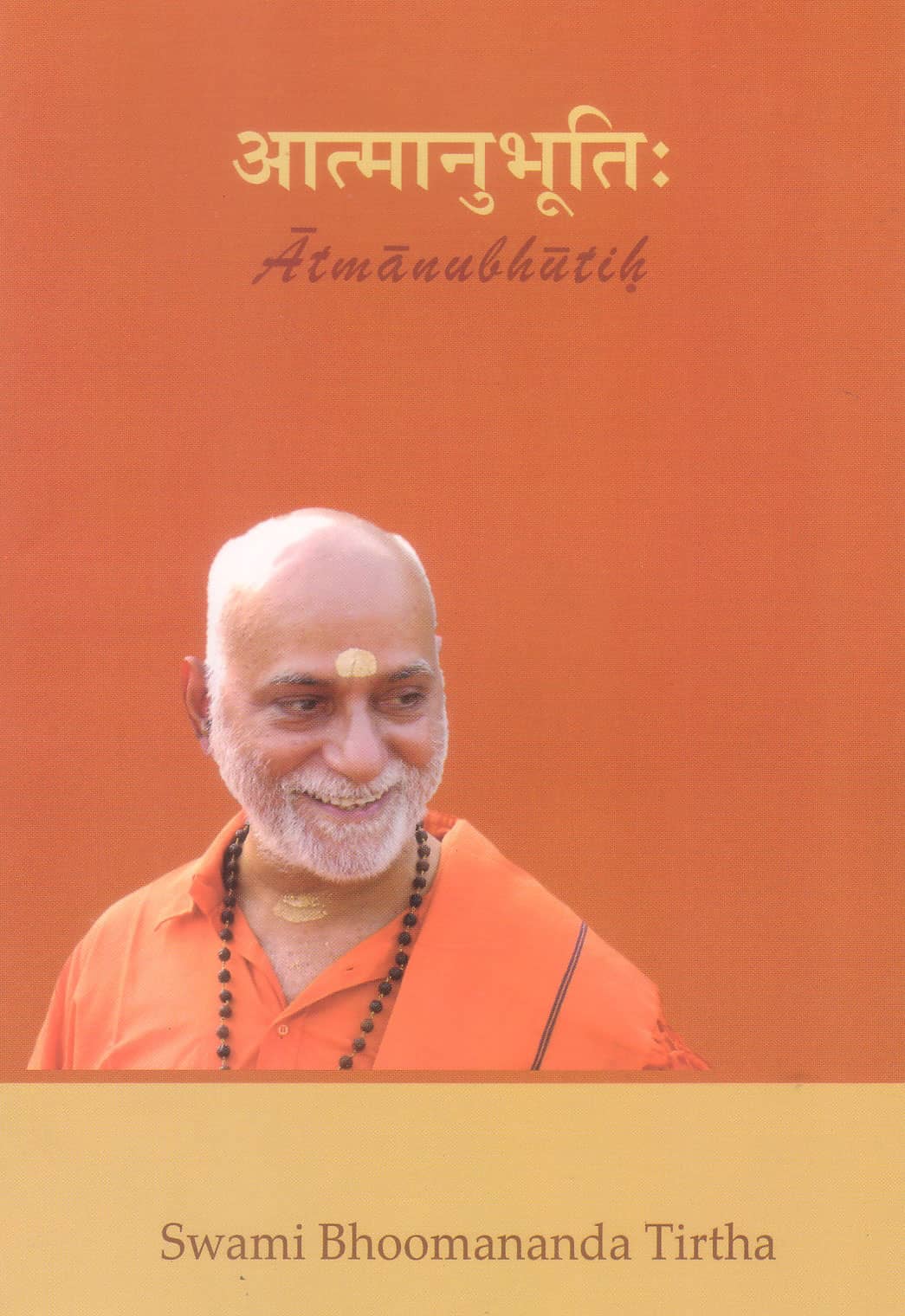



Experience a beautifully designed reading journey with authentic commentary by Poojya Swami Bhoomananda Tirtha.