Aṣṭāvakra Saṃhitā
A Dialogue on Self-realization

Chapter 8, Verse 2
Order Now 
Then indeed is liberation when the mind desires not and grieves not. It does not leave or take, nor rejoice or hate.
The seeker should know that the present habit of the mind has been acquired over years. All knowledge is based on comparison and contrast. So variety is a need, hence it surrounds us everywhere. Mind naturally begins to react to the opposites.
Krishna says in Bhagavad Gita (7.27 ) that all beings, not humans alone, right at birth are gripped by a delusion born of desire and hatred. Even the child will suckle when sweet is placed on his tongue, but reject the bitter. The like-dislike dual grows in strength and depth every day and rules our life.
The seeker has to intercept this course with resolve. He should learn to accept both, and eliminate the conflict dexterously. The mind can be trained in any direction. The same mind which thrives on duals, will begin to be equally disposed to them, singing and dancing with inner ecstasy, like Sthita-prajña and Sthita-dhee. What one needs is basic discrimination and the will to pursue it wholeheartedly.
The point to be grasped is that the whole spirituality rests upon the attitude and behaviour of the mind. Mind must love to be even towards the dvandvas, not preferential and prejudicial at all. Preferences and prejudices are a trap we are gripped in right from our birth. These should be discerned and assessed. And with discretion, the seeker should rise above these and be enriched by evenness and poise. Liberation is thus abiding inner equipoise.





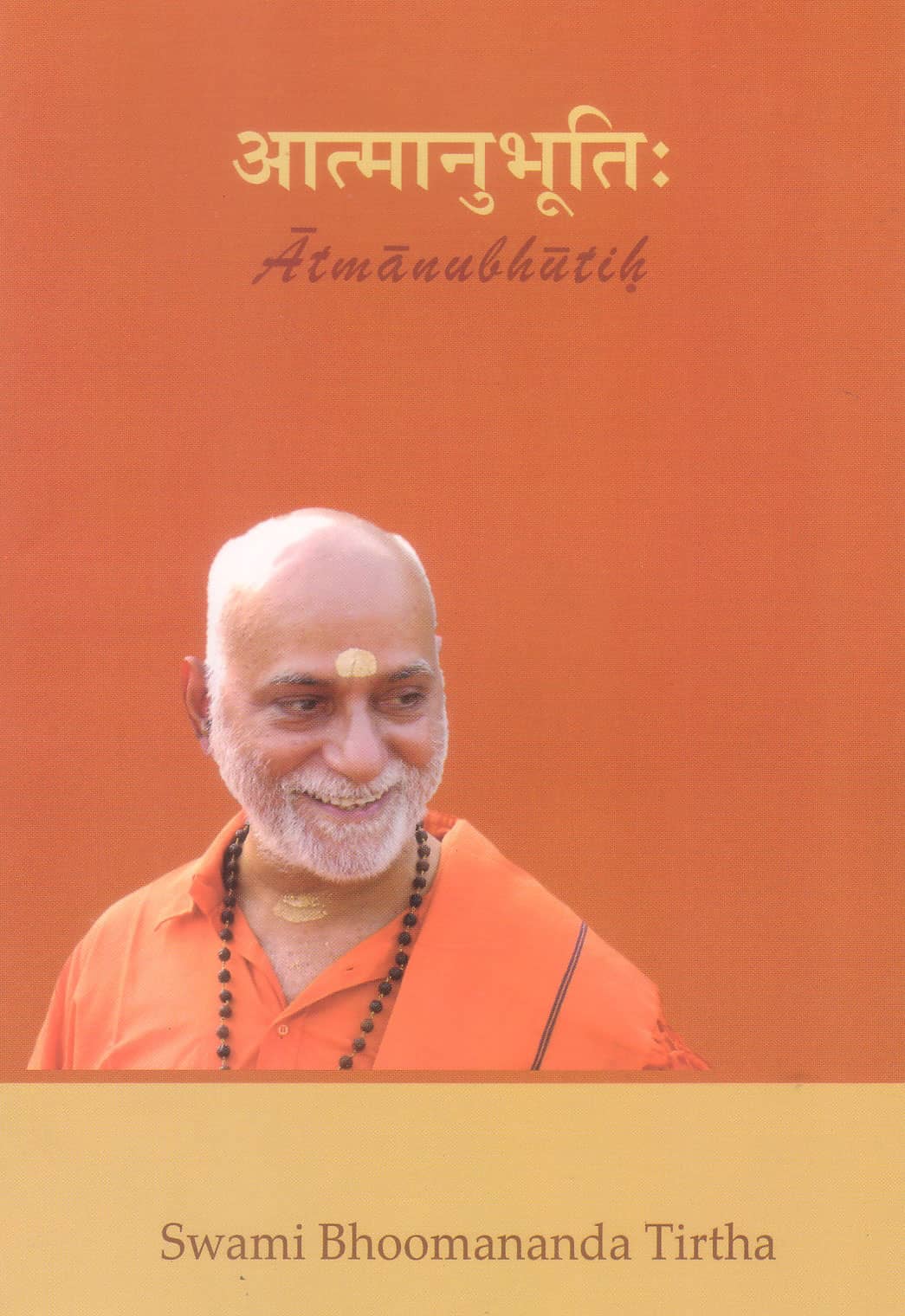



Experience a beautifully designed reading journey with authentic commentary by Poojya Swami Bhoomananda Tirtha.