Aṣṭāvakra Saṃhitā
A Dialogue on Self-realization

Chapter 18, Verse 98
Order Now 
The liberated person is always dwelling in his Self, redeemed of all notions of duties done and not done, is of equal vision everywhere due to having no desire at all, remembers not whatever is done and not done.
For freedom to be meaningful, it has to be from all concepts, alternates, actions and assessments. Such freeness is characteristic of the Self-knower, because he resides in the Self, which is singular and all-filling, giving no scope and relevance for different concepts and propositions. You can compare and contrast only when there are at least two. The Self rules out anything besides itself. The Knower thus has no desire or thoughts and emotions caused by plurality and manyness.
Self he contemplates upon, when realized in full, takes away all causes for agitation, disturbance, distraction and fear. The mind attains its natural state of poise, harmony and contentment.
Karma, action or activity implies movement or vibration. The Self being an absolute and full presence, no action or movement is the least possible in it. Once this truth is kept in mind, all considerations arising out of action, like duty, interaction, etc. become totally irrelevant. Jñāna takes away all grounds for activity.
This apart, when extreme dispassion and desirelessness fill the mind, one will be able to look at everything and all alike. As plurality has no scope at all, the sense and memory of anything having been done or not done also falls to the ground. Everything becomes uniform, peaceful, harmonious and homogeneous.
What a wonderful state of freedom, fullness and fulfilment!
Shankara picturesquely describes the manner in which the one liberated while yet alive, lives fearlessly, with a sense of abundance, disturbed by nothing, floating in supreme harmony with anything around. His composition jeevan-mukta-ananda-lahari (ślokas no. 1, 2, 3 ) explains the jeevan-mukta in an assortment of places and events, instrumented by the world of infinite variety.
As the Knower moves, many, given to their own styles and statuses come across and greet him. Some host him in their own ways and standards. Thus, he may sometimes be in marble palaces. He will equally be in mountain slopes, alone eating raw roots and fruits. Ascetics living on river banks also host him with great fondness and respect. He is at home with all.
He will equally be uncared and unattended too. But he carries such an exquisitely luminous grace and grandeur that enable him to respond to all, but remain untouched and undimmed in his own innate glory and transcendence.
Thus, he may see men and women, some extremely comely, decked with brilliant gold ornaments. While coursing through the sights, he always feels he is only the grand witness of everything and all and has no connection with any. By the grace of deeksha, initiation, he had from the Guru, his ignorance having been mitigated, he even interacts with them, with no real interest or concern. Such magnificent flexibility and dis-concern grace him generously.
Shankara in his composition Viveka-cūḍāmaṇi (śloka 432 ) explains how a jeevan-mukta lives free of all undue care and anxiety, not pursuing whatever has transpired, unconcerned about what will follow, and being indifferent to what all takes place now. The mind becomes free on all dimensions and buoyant. Knower does not shun anything, nor seek to indulge in anything either.


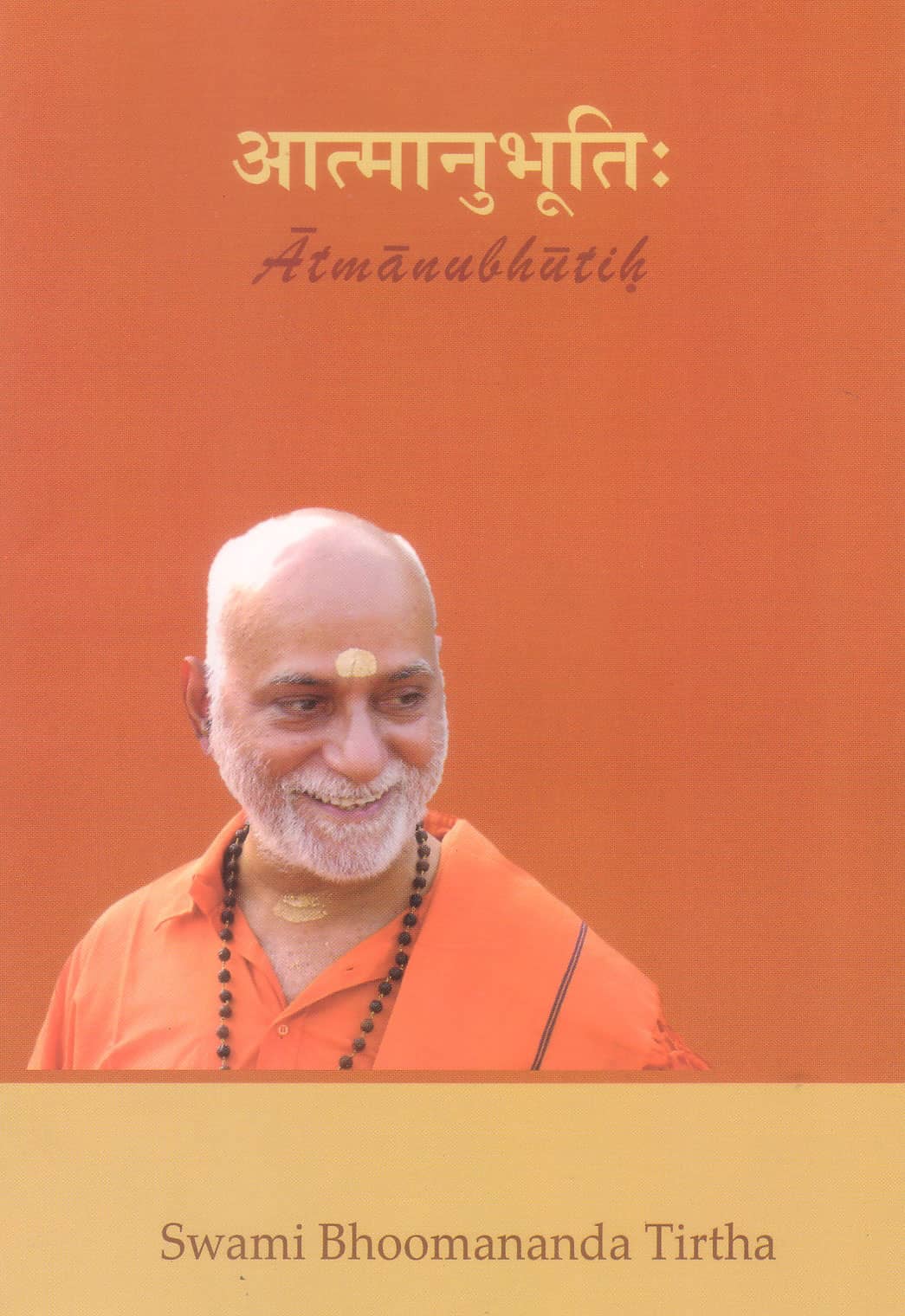


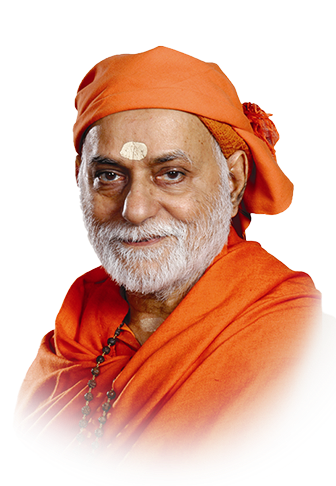

Experience a beautifully designed reading journey with authentic commentary by Poojya Swami Bhoomananda Tirtha.