Aṣṭāvakra Saṃhitā
A Dialogue on Self-realization

Chapter 18, Verse 1
Order Now 
Prostration to that presence whose nature is bliss, which is supremely calm and luminous, on the dawning of whose knowledge all delusion becomes like dream.
The longest chapter of 100 verses begins with a prostration. Prostration in the culture of this great holy land represents the expression of unconditional humility on the one hand and the highest note of adoration on the other. One always prostrates before another, when he finds him to be elder or greater. We prostrate before God because He is the most High, the source, sustenance and dissolution of everything we see and know of, including oneself.
The world, taken as a whole, involves creation, preservation and dissolution. In prostrating, one is expressing his complete surrender to the one before whom he prostrates. The whole body lies, with forehead touching the ground. Both palms are taken up and joined, preferably touching the feet of the one in front. The prostrator will not be able to see anything, as the eyes are close to the ground. The other has full freedom to do anything with the prostrated one. What an expression of total surrender!
If you have to receive anything from another in the way of knowledge and instruction, it is through the head and brain. Neither hands nor feet, nor the stomach, heart and lungs have anything to do in this receptivity. In a full note of humility, the prostrator expresses his readiness to receive whatever the prostrated to, gracefully gives. Compared to anything else, including a mountain of gold, the offering of prostration is supremely invaluable. A full-fledged prostration is the greatest adoration one can think of making. It is called daṇḍa-namaskāraḥ – lying prostrate like a dry stick.
In India, we have a practice of expressing such humility before anyone elder by age or elder by knowledge. Thus, the concepts of vayo-vṛddha, elder by age, and jñāna-vṛddha, elder by knowledge, came into vogue from times immemorial. Prostrating before parents, teachers and elders is a hallowed practice even now.
Though Sage Ashtavakra, right from the beginning, exposes the Self alone as the singular presence and reality, it does not preclude the need for anyone to be humble, discreet, virtuous, ethical, restrained and disciplined in his or her life. In fact, spiritual knowledge and its pursuit, become relevant and effective only in the context of adequate inner purity, refinement and enrichment.
The human body with all its potentials and possibilities is not self-evolved for anyone. We have it as a gift of Nature, for judiciously exploring both the sensory world and the inner magnitude, until at last the sovereignty and supremeness of the Self within us are discovered and realized.
All this certainly makes one wonder at the majesty of what we have. Instantly a note of submission and reverence overtakes the seeker and the Knower. To what or whom else can this be due but the great singular Self? When the Self is realized in full, any other notion or perception is but a delusion, like dream. The best way one can express his gratefulness for having been able to realize the exclusiveness of the Self is by being prostrate before it in full submission, regard and absoluteness!




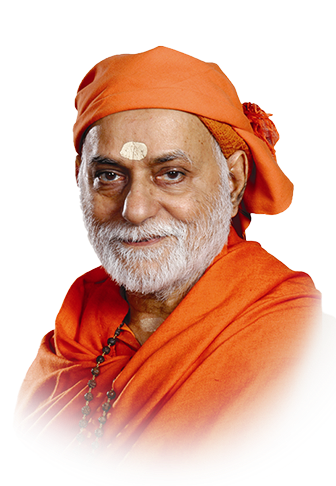

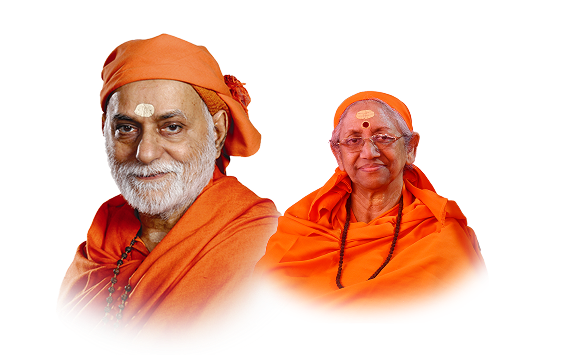
Experience a beautifully designed reading journey with authentic commentary by Poojya Swami Bhoomananda Tirtha.