Aṣṭāvakra Saṃhitā
A Dialogue on Self-realization

Chapter 13, Verse 4
Order Now 
Yogis, for whom body is the refuge, are bound by concepts of action and inaction. Being free from such thoughts of association and separation, I comfortably repose in my Self.
Yogic practitioners are specially engrossed in their body and its upkeep. They think all yogic exercises are done by the body. Hence body-consciousness is too deep-rooted in them.
Karma, action, and naishkarmya, action-freeness, are two concepts, which have special connotation in yoga parlance. Actually, action cannot be dispensed with by anyone, as long as the body takes food and nourishment. The best way will be to leave the body to its own usual activities, and be centred in the mind and intelligence, the real tools for spiritual sādhanā and siddhi.
Yogic seekers cling to body-consciousness, refusing to be guided by true discrimination. This results in utter delusion about the Self, which is different from the perishable body. The best will be to evaluate matters on the basis of discrimination, right from the beginning.
‘Seeing rampant confusion and the havoc it works’, says Janaka, ‘I become indifferent. Self is not the body at all. Why then give in to undue considerations and efforts around the body?
‘I have thus abandoned all ideas of association and disassociation. Even karma and naishkarmya have no value for me. By rising above all these dvandvas, I feel quite at ease, resting in my own luminous Self, its inner spiritual radiance that pervades everywhere.’


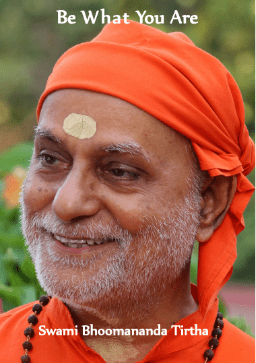
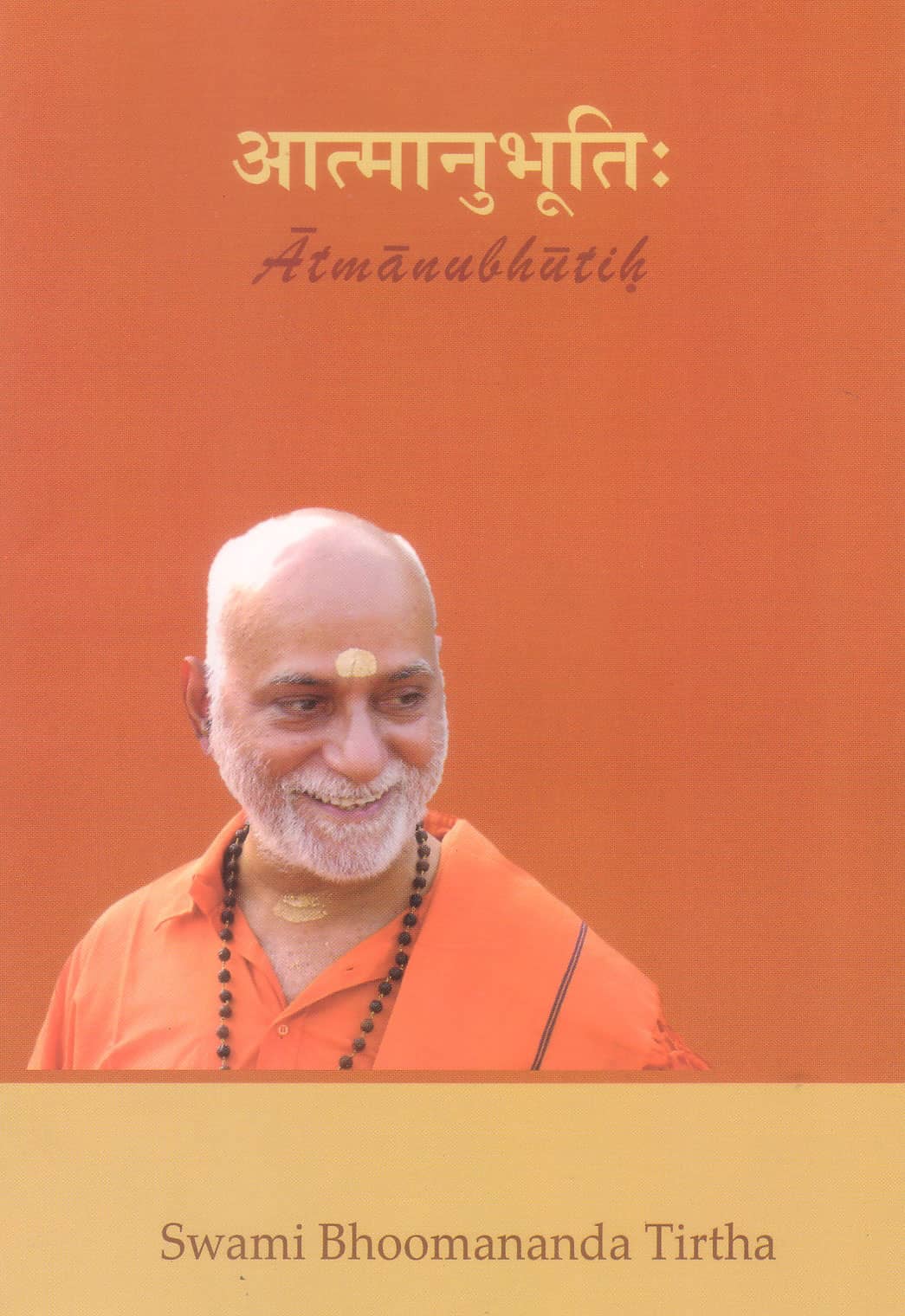



Experience a beautifully designed reading journey with authentic commentary by Poojya Swami Bhoomananda Tirtha.