Aṣṭāvakra Saṃhitā
A Dialogue on Self-realization

Chapter 1, Verse 7
Order Now 
You are the one Seer of all, and always free, liberated. This indeed is your bondage, that you are seeing the Seer as another.
Sage Aṣṭāvakra pinpoints the error in Janaka, as in others. Why and how does the so called bondage take place at all? It is because man does not engage in the right type of introspection. One should know what kind of thought process should be fostered to gain liberation.
That there are only two factors before us is already emphasized – the whole world on the one hand, and its witness, namely yourself. Neither can become the other. Both coexist, one does not exempt the other. Allow the world to be, but as the object witnessed. You also be, but as its witness Subject. The object is inert. You, the Subject, are sentient. Where is the question of the object world becoming you, or you becoming the world? The inert continues as inert, and the sentient continues as sentient. There cannot be any interposition or exchange between them. Reflect upon this fundamental and let it be fused into the mind and intelligence adequately.
Then adjudge bondage. What is bondage, to whom, caused by whom? You are the draṣṭā, the seer. And the other is the seen, the visible, alone. Draṣṭā is, by its very nature, one, singular. Can he then be bound by any? The dṛśya is before the draṣṭā, to see. It is only to see, not to become the dṛśya.
In or by seeing, draṣṭā does not lose its place, status or nature by witnessing the dṛśya. Dṛśya may change, get transformed, undergo many a plight. Even then, what? You, the draṣṭā, will only be witnessing all of them. In the process nothing happens to the draṣṭā at all. Even if the dṛśya is hurt or destroyed, what can happen to the draṣṭā? Nothing at all, as evident from the inner dream phenomena, all of which are lost when one wakes up from dream. Is the sleeper the least affected by the dream or its fate or plight?
The trouble and confusion is that you begin to think of the draṣṭā as ‘another’. This is the notion to be corrected, dispensed with for ever. Do it sternly. Think that you are the draṣṭā, and you will ever be so. Dṛśya has no domain over you. All the dṛśyas float in you the draṣṭā, like bubbles in water. You never float on anything else. You are free not because of any merit sought and gained. It is solely because of the fact that you are the draṣṭā of all the dṛśyas, whatever may accrue to them and whenever.
Can you not be stabilized in this true perception, analysis, assessment? You can. Do it and rejoice over the freedom that will surge forth. Remember the question the King made before the Sage. How can jñāna be attained, and how will liberation result? Yes, jñāna can be gained by truthful introspection, which Aṣṭāvakra Maharshi is imbuing into Janaka. And liberation follows such jñāna!
How beautifully, effectively, does the Sage take the King to the inner sentient pedestal, and install him in the fullness and ecstasy of moksha! He says: “You are naturally mukta; no more to become so”. This is the pinnacle of Vedantic tuition, spiritual exposition. Every one is the Self, and one has only to discover and discern that this is so.


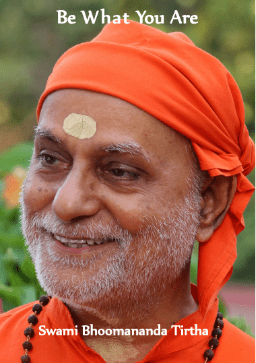
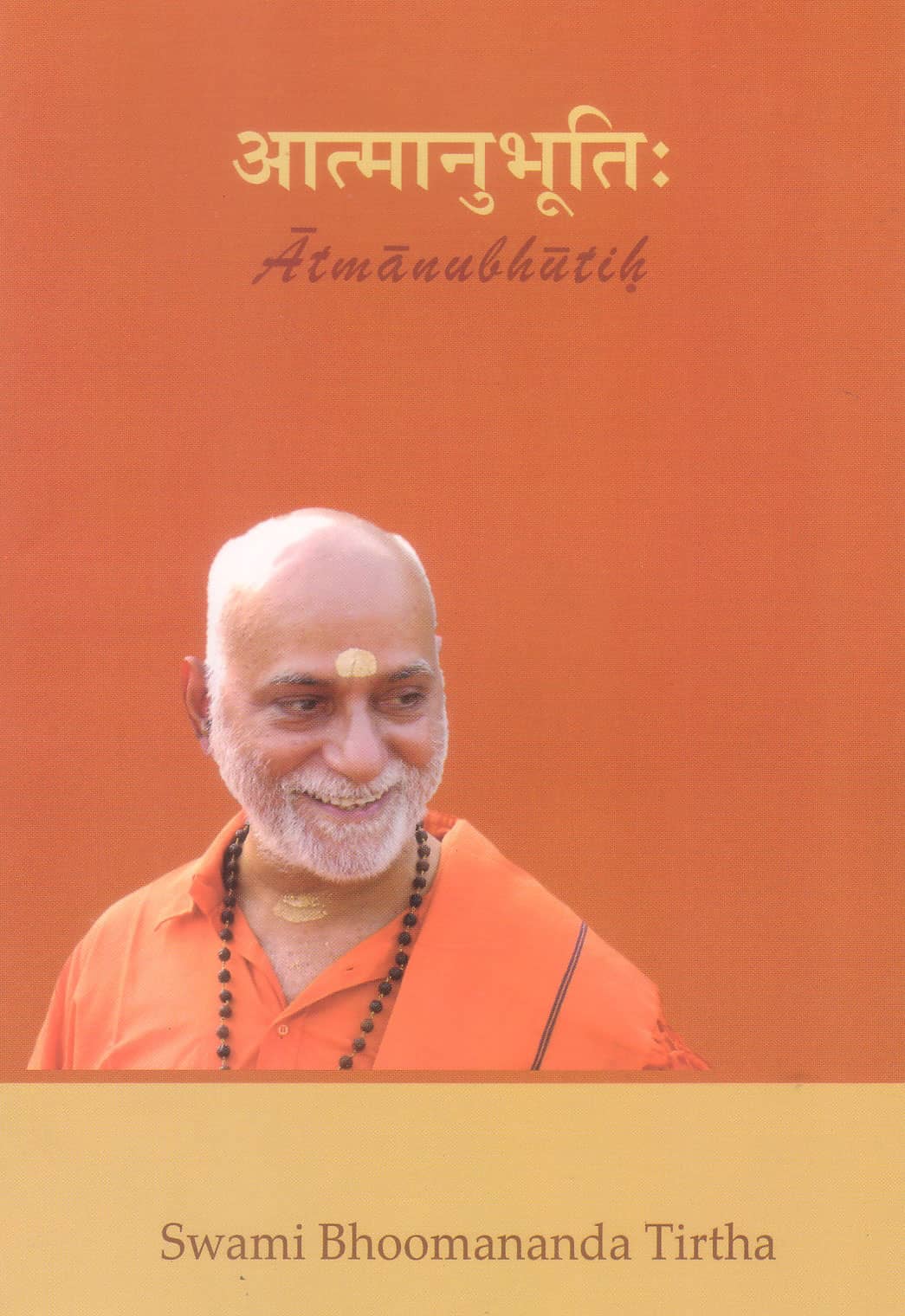



Experience a beautifully designed reading journey with authentic commentary by Poojya Swami Bhoomananda Tirtha.