Aṣṭāvakra Saṃhitā
A Dialogue on Self-realization

Chapter 1, Verse 1
Order Now 
How can jñana (wisdom) be attained? How will liberation result? And how does one gain dispassion? O Lord, please tell me.
Spiritual knowledge or Knowledge of the Self is different from all other knowledge. All the other knowledge relates to visible objects of the world. But the knowledge of spirituality relates to the Subject within the body.
Senses, which can reveal external objects, cannot reveal the Subject within. It can be revealed only by the mind, intelligence and heart, which are themselves internal, inner, inward. There is no comparison for the Subject. It is singular, in every way. Hence no example can be used to describe it. Yet it has to be approached, identified and realized. That is why Self-knowledge remains elusive for many, but easy for the genuine seekers.
So, there is great meaning, relevance, in Janaka making his first question the way he did. How can jñāna be gained? Though the knowledge is of the Subject, which is within, Janaka finds it indistinguishable, unapproachable.
Having found the Sage come to his palace of his own accord, he prays that the Sage should instruct him on the path of true knowledge. The jñāna Janaka seeks is the only one which has the power and grace to bestow mukti, liberation. Liberation is from the shackles of the mind and intelligence.
Normally people think that liberation is from repeated births into the world. Birth itself is not a fact or anyone’s experience. We know that we are alive and present. We have no chance of knowing our own birth. Likewise, we cannot experience our death.
What was born is the body, and what will die is also this body. But are we the body? No, we are not. We only have the body. What we have is not we.
That, which everyone refers to as ‘I’, is different from the body. That is why we refer to the body as ‘my body.’ That body-different ‘I’ has neither birth nor death. Once this fact, nay truth, is realized, that realization itself marks our liberation, freedom. For such a Knower neither birth nor death becomes a question or doubt.
The third question is how dispassion can be attained. Dispassion is an outcome which follows viveka or discrimination. When the seeker is able to know that all the world objects are transitory, the question necessarily arises as to what is the use of having these objects. From anything fleeting, none can hope to have lasting contentment, peace or freedom.
Then, what is lasting becomes the next enquiry. Dispassion is the ground and strength for this spiritual enquiry. The intensity of seeking will depend upon the depth of dispassion the seeker has.
Like any other endearing quality, Dispassion is to be cultivated with Viveka, Discrimination. Janaka gives adequate importance to the presence of dispassion. He is a genuine seeker.
The entire Aṣṭāvakra Saṃhitā is based upon these three fundamental questions. Throughout the content, the emphasis is on knowledge, freedom and dispassion. These three go together. Only when one is graced with dispassion, his seeking will grow steadily and fruition definitely.


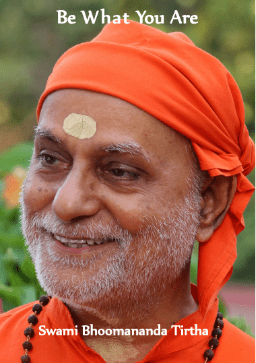
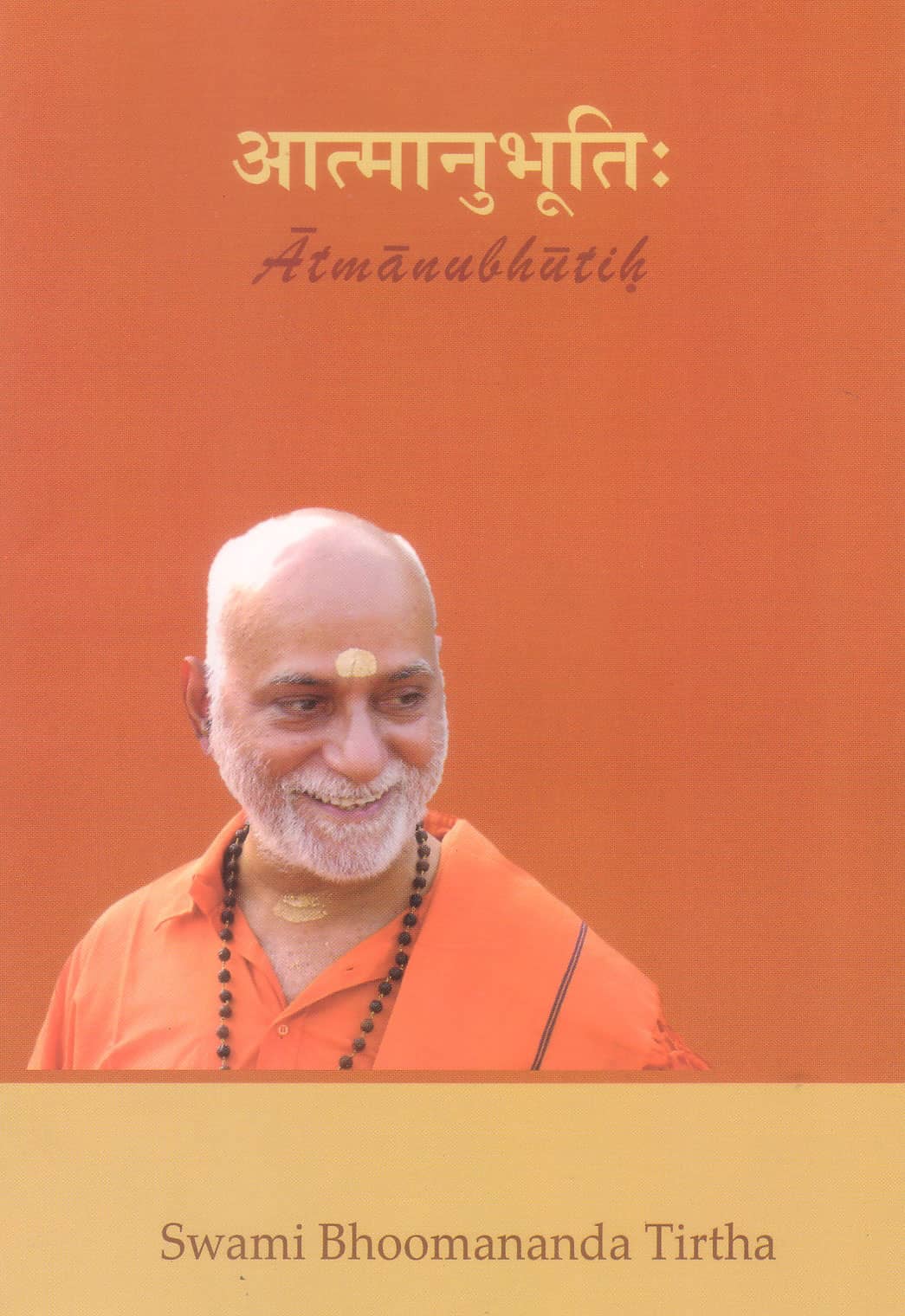



Experience a beautifully designed reading journey with authentic commentary by Poojya Swami Bhoomananda Tirtha.