


Chapter 17: Śraddhā-traya-vibhāga-yoga: – Character and Values Governed by Three Gunas
The guṇa-traya exposition enables the studious sādhakas to examine their inner constitution and elevate themselves. Its intention is to help seekers identify and transcend the binding effects of the guṇas. One is inspired to imbibe sātvik qualities diligently, strengthening them at every stage. A drastic transformation in the entire personality thus becomes facile.
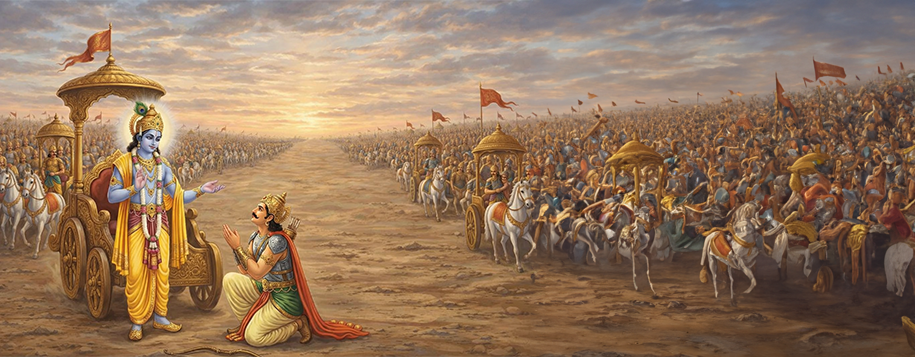
Krishna defines śraddha (assiduous attention and application) as three-fold, on the basis of the three guṇas. He then distinguishes the types of śraddha by tracing them to the type of worship people perform, so that Arjuna can understand how sātvika, rājasa, and tāmasa śraddha differ from one another.
He categorises various kinds of people and different aspects of their life on the basis of the three guṇas. This analysis helps us to understand the behaviour of people of diverse temperaments and also shows us how to transform our constitution to gain inner harmony and poise.
Having defined the three-fold śraddha, Krishna defines three-fold austerities and elaborates on the types of food preferred by people of various temperaments. To anoint human life with the required nobility and purpose, one must embody the triple pursuits of yajña, tapas and dāna, which Krishna also classifies according to the three guṇas.
The guṇa-traya discussion is an exposition of the complex psychology, bringing forth the constrictions as well as potentials in the human personality. Through it, Krishna wants the seeker to unravel the mysteries of the mind, and also realize its potential.
Chanting Audio
Bhagavad Gita Chapter 17
Swami Nirviseshananda Tirtha

अर्जुन उवाच ।
ये शास्त्रविधिमुत्सृज्य यजन्ते श्रद्धयान्विता: ।
तेषां निष्ठा तु का कृष्ण सत्त्वमाहो रजस्तम: ॥
English Transliteration
arjuna uvāca
ye śāstra-vidhim-utsṛjya
yajante śraddhayānvitā:
teṣāṃ niṣṭhā tu kā kṛṣṇa
sattvam-āho rajas-tama: – 17.1
Translation
Arjuna asked: Those who offer their sacrifice with full faith, but disregarding the scriptural injunctions, of what nature is their pursuit – sāttvika, rājasa or tāmasa?

श्रीभगवानुवाच ।
त्रिविधा भवति श्रद्धा देहिनां सा स्वभावजा ।
सात्त्विकी राजसी चैव तामसी चेति तां शृणु ॥
English Transliteration
śrī bhagavān-uvāca
trividhā bhavati śraddhā
dehināṃ sā svabhāvajā
sāttvikī rājasī caiva
tāmasī ceti tāṃ śṛṇu – 17.2
सत्त्वानुरूपा सर्वस्य श्रद्धा भवति भारत ।
श्रद्धामयोऽयं पुरुषो यो यच्छ्रद्ध: स एव स: ॥
English Transliteration
sattvānurūpā sarvasya
śraddhā bhavati bhārata
śraddhāmayo’yaṃ puruṣo
yo yacchraddha: sa eva sa: – 17.3
Translation
Lord Krishna said: Śraddhā of the embodied is born of his own inherent nature; it is of three kinds – sāttvika, rājasa and tāmasa. Listen about this.
Śraddhá of all is according to the essence of their being. Man is an embodiment of his śraddhá. Whatever is one’s śraddhá, he verily is that.
यजन्ते सात्त्विका देवान्यक्षरक्षांसि राजसा: ।
प्रेतान्भूतगणांश्चान्ये यजन्ते तामसा जना: ॥
English Transliteration
yajante sāttvikā devān-
yakṣa-rakṣāṃsi rājasā:
pretān-bhūta-gaṇāṃścānye
yajante tāmasā janā: – 17.4
Translation
Those of sāttvika orientation worship devas (gods), rājasas worship yakshas and rākshasas (celestial beings and demons), and others of tāmasa temperament worship the spirits of the dead and bhūta-gaṇas (manes and ghouls).
अशास्त्रविहितं घोरं तप्यन्ते ये तपो जना: ।
दम्भाहङ्कारसंयुक्ता: कामरागबलान्विता: ॥
English Transliteration
aśāstra-vihitaṃ ghoraṃ
tapyante ye tapo janā:
dambhāhaṅkāra-saṃyuktā:
kāma-rāga-balānvitā: – 17.5
कर्शयन्तः शरीरस्थं भूतग्राममचेतस: ।
मां चैवान्त:शरीरस्थं तान्विद्ध्यासुरनिश्चयान् ॥
English Transliteration
karśayanta: śarīrasthaṃ
bhūta-grāmam-acetasa:
māṃ caivānta:-śarīrasthaṃ
tān-viddhy-āsura-niścayān – 17.6
Translation
Understand them to be of demonic resolve, who, contrary to scriptural direction, perform fierce austerities with hypocrisy and ego, impelled by the force of passion and desire. Such indiscreet people torture the elements in the body as well as Me, the indwelling Presence.
आहारस्त्वपि सर्वस्य त्रिविधो भवति प्रिय: ।
यज्ञस्तपस्तथा दानं तेषां भेदमिमं श्रृणु ॥
English Transliteration
āhārastvapi sarvasya
trividho bhavati priya:
yajñas-tapas-tathā dānaṃ
teṣāṃ bhedam-imaṃ śṛṇu – 17.7
Translation
The food relished by people is also of three kinds. Likewise, sacrifice (yajña), austerity (tapas) and charity (dāna). Now hear their differences.
आयु:सत्त्वबलारोग्यसुखप्रीतिविवर्धना: ।
रस्या: स्निग्धा: स्थिरा हृद्या आहारा: सात्त्विकप्रिया: ॥
English Transliteration
āyu:-sattva-balārogya-
sukha-prīti-vivardhanā:
rasyā: snigdhā: sthirā hṛdyā
āhārā: sāttvika-priyā: – 17.8
Translation
Sāttvika food enhances longevity, spiritual strength, health, happiness and contentment. Food items that are delicious, soothing, sustaining and pleasing to the heart are dear to the sāttvikas.
कट्वम्ललवणात्युष्णतीक्ष्णरूक्षविदाहिन: ।
आहारा राजसस्येष्टा दु:खशोकामयप्रदा: ॥
English Transliteration
kaṭvamla-lavaṇāty-uṣṇa-
tīkṣṇa-rūkṣa-vidāhina:
āhārā rājasasyeṣṭā
du:kha-śokāmaya-pradā: – 17.9
Translation
Rājasa people prefer food items which are excessively bitter, sour, saline, extremely hot, pungent, dry and burning, causing suffering, grief and disease.
यातयामं गतरसं पूति पर्युषितं च यत् ।
उच्छिष्टमपि चामेध्यं भोजनं तामसप्रियम् ॥
English Transliteration
yāta-yāmaṃ gata-rasaṃ
pūti paryuṣitaṃ ca yat
ucchiṣṭam-api cāmedhyaṃ
bhojanaṃ tāmasa-priyam – 17.10
Translation
Food cooked unduly earlier, tasteless, stinking, stale, left over by someone after eating, impure, is relished by the people of tāmasa temperament.
अफलाकाङ्क्षिभिर्यज्ञो विधिदृष्टो य इज्यते ।
यष्टव्यमेवेति मन: समाधाय स सात्त्विक: ॥
English Transliteration
aphalākāṅkṣibhir-yajño
vidhi-dṛṣṭo ya ijyate
yaṣṭavyam-eveti mana:
samādhāya sa sāttvika: – 17.11
Translation
The yajña (sacrifice) performed without desire for any result thereof, at the same time as prescribed in the scriptures, considering the performance to be noble, and fixing the mind well on its performance, is said to be sāttvika (yajña).
अभिसंधाय तु फलं दम्भार्थमपि चैव यत् ।
इज्यते भरतश्रेष्ठ तं यज्ञं विद्धि राजसम् ॥
English Transliteration
abhisandhāya tu phalaṃ
dambhārtham-api caiva yat
ijyate bharata-śreṣṭha
taṃ yajñaṃ viddhi rājasam – 17.12
Translation
O best of the Bharata clan (Arjuna), know that a yajña performed specifically with the aim of personal gain, and also for ostentation, is a rājasa yajña.
विधिहीनमसृष्टान्नं मन्त्रहीनमदक्षिणम् ।
श्रद्धाविरहितं यज्ञं तामसं परिचक्षते ॥
English Transliteration
vidhihīnam-asṛṣṭānnaṃ
mantra-hīnam-adakṣiṇam
śraddhā-virahitaṃ yajñaṃ
tāmasaṃ paricakṣate – 17.13
Translation
Yajña done without heeding the rules and procedures śāstras lay down, with no food distributed to those around, without reciting the necessary mantras, without giving adequate dakṣiṇā (offering to priests, etc.), lacking in attention and application, is considered tāmasa.
देवद्विजगुरुप्राज्ञपूजनं शौचमार्जवम् ।
ब्रह्मचर्यमहिंसा च शारीरं तप उच्यते ॥
English Transliteration
deva-dvija-guru-prājña-
pūjanaṃ-śaucam-ārjavam
brahmacaryam-ahiṃsā ca
śārīraṃ tapa ucyate – 17.14
Translation
Worshipping devas (divine beings), brāhmaṇas, Guru and the wise, cleanliness, straightforwardness, celibacy and non-hurting constitute bodily austerity.
अनुद्वेगकरं वाक्यं सत्यं प्रियहितं च यत् ।
स्वाध्यायाभ्यसनं चैव वाङ्मयं तप उच्यते ॥
English Transliteration
anudvega-karaṃ vākyaṃ
satyaṃ priya-hitaṃ ca yat
svādhyāyābhyasanaṃ caiva
vāṅmayaṃ tapa ucyate – 17.15
Translation
Using words that are non-irritating, truthful, endearing and beneficial, and studying scriptures regularly are said to be constituting austerity pertaining to speech.
मन:प्रसाद: सौम्यत्वं मौनमात्मविनिग्रह: ।
भावसंशुद्धिरित्येतत्तपो मानसमुच्यते ॥
English Transliteration
mana:-prasāda: saumyatvaṃ
maunam-ātma-vinigraha:
bhāva-saṃśuddhir-ity-etat-
tapo-mānasam-ucyate – 17.16
Translation
Cheerful calmness of the mind, gentleness, silence, self-control, attitudinal and emotional purity are held to constitute mental austerity.
श्रद्धया परया तप्तं तपस्तत्त्रिविधं नरै: ।
अफलाकाङ्क्षिभिर्युक्तै: सात्त्विकं परिचक्षते ॥
English Transliteration
śraddhayā parayā taptaṃ
tapas-tat-trividhaṃ narai:
aphalākāṅkṣibhir-yuktai:
sāttvikaṃ paricakṣate – 17.17
Translation
This three-fold austerity, pursued with supreme attention by men, with no desire for any external reward therefrom, is held to be sāttvika.
सत्कारमानपूजार्थं तपो दम्भेन चैव यत् ।
क्रियते तदिह प्रोक्तं राजसं चलमध्रुवम् ॥
English Transliteration
satkāra-māna-pūjārthaṃ
tapo dambhena caiva yat
kriyate tad-iha proktaṃ
rājasaṃ calam-adhruvam – 17.18
Translation
Austerity performed for gaining recognition, adoration and propitiation, exhibiting pomp and ostentation, is regarded here as rājasa, and is unstable and fleeting.
मूढग्राहेणात्मनो यत्पीडया क्रियते तप: ।
परस्योत्सादनार्थं वा तत्तामसमुदाहृतम् ॥
English Transliteration
mūḍha-grāheṇātmano yat-
pīḍayā kriyate tapa:
parasyotsādanārthaṃ vā
tat-tāmasam-udāhṛtam – 17.19
Translation
Austerity done with foolish and deluded notions, to torture oneself or destroy another, is held to be tāmasa.
दातव्यमिति यद्दानं दीयतेऽनुपकारिणे ।
देशे काले च पात्रे च तद्दानं सात्त्विकं स्मृतम् ॥
English Transliteration
dātavyam-iti yad-dānaṃ
dīyate’nupakāriṇe
deśe kāle ca pātre ca
tad-dānaṃ sāttvikaṃ smṛtam – 17.20
Translation
Any gift offered considering it is noble to give, and given in the right place, on the right occasion, to the right recipient, looking for no reciprocal benefit, is deemed sāttvika dāna.
यत्तु प्रत्युपकारार्थं फलमुद्दिश्य वा पुन: ।
दीयते च परिक्लिष्टं तद्दानं राजसं स्मृतम् ॥
English Transliteration
yat-tu pratyupakārārthaṃ
phalam-uddiśya vā puna:
dīyate ca parikliṣṭaṃ
tad-dānaṃ rājasaṃ smṛtam – 17.21
Translation
Whatever is given unwillingly, keeping in mind some return benefit from the receiver, or expecting some personal gain, is held as rājasa dāna.
अदेशकाले यद्दानमपात्रेभ्यश्च दीयते ।
असत्कृतमवज्ञातं तत्तामसमुदाहृतम् ॥
English Transliteration
adeśa-kāle yad-dānam-
apātrebhyaś-ca dīyate
asat-kṛtam-avajñātaṃ
tat-tāmasam-udāhṛtam – 17.22
Translation
The dāna given in improper place and time to undeserving people, without due respect and attention, and with contempt, is considered to be tāmasa.
ॐ तत्सदिति निर्देशो ब्रह्मणस्त्रिविध: स्मृत: ।
ब्राह्मणास्तेन वेदाश्च यज्ञाश्च विहिता: पुरा ॥
English Transliteration
oṃ tat-sad-iti nirdeśo
brahmaṇas-trividha: smṛta:
brāhmaṇās-tena vedāś-ca
yajñāś-ca vihitā: purā – 17.23
Translation
OM, TAT and SAT are spoken of as the triple attributes of Brahman, the supreme Reality. By these were ordained the Brāhmaṇas, Vedas and yajñas, in the ancient times.
तस्मादोमित्युदाहृत्य यज्ञदानतप:क्रिया: ।
प्रवर्तन्ते विधानोक्ता: सततं ब्रह्मवादिनाम् ॥
English Transliteration
tasmād-om-ity-udāhṛtya
yajña-dāna-tapa:-kriyā:
pravartante vidhānoktā:
satataṃ brahma-vādinām – 17.24
Translation
For Vedic followers, therefore, yajña, dāna and tapas, as ordained by śāstras, are always commenced by reciting OM.
तदित्यनभिसन्धाय फलं यज्ञतप:क्रिया: ।
दानक्रियाश्च विविधा: क्रियन्ते मोक्षकाङ्क्षिभि: ॥
English Transliteration
tad-ity-anabhisandhāya
phalaṃ yajña-tapa:-kriyā:
dāna-kriyāś-ca vividhā:
kriyante mokṣa-kāṅkṣibhi: – 17.25
Translation
By those aspiring for liberation, the various acts of yajña, dāna and tapas are performed uttering ‘Tat’, without looking for any special fruit or result.
सद्भावे साधुभावे च सदित्येतत्प्रयुज्यते ।
प्रशस्ते कर्मणि तथा सच्छब्द: पार्थ युज्यते ॥
English Transliteration
sad-bhāve sādhu-bhāve ca
sad-ity-etat-prayujyate
praśaste karmaṇi tathā
sacchabda: pārtha yujyate – 17.26
Translation
The word ‘Sat’ is employed in the sense of the ultimate Truth, Reality, as well as goodness and nobility. O Partha, ‘Sat’ is also used to refer to any act esteemed for loftiness or auspiciousness (because such work helps one attain the Truth).
यज्ञे तपसि दाने च स्थिति: सदिति चोच्यते ।
कर्म चैव तदर्थीयं सदित्येवाभिधीयते ॥
English Transliteration
yajñe tapasi dāne ca
sthiti: sad-iti cocyate
karma caiva tad-arthīyaṃ
sad-ityevābhidhīyate – 17.27
Translation
To be given steadily to yajña, tapas and dāna is said to be ‘Sat’. Equally so, any action done for the sake of these three is verily called ‘Sat’.
अश्रद्धया हुतं दत्तं तपस्तप्तं कृतं च यत् ।
असदित्युच्यते पार्थ न च तत्प्रेत्य नो इह ॥
English Transliteration
aśraddhayā hutaṃ dattaṃ
tapas-taptaṃ kṛtaṃ ca yat
asad-ity-ucyate pārtha
na ca tat-pretya no iha – 17.28
Translation
Whatever is offered to fire (sacrificed) or gifted to another, whatever is performed as an austerity or as a simple action – if done without proper honour and attention, is called ‘asat’ (futile, vain, not based on truth). It is of no purpose either here or elsewhere.
ओं तत्सदिति श्रीमद्भगवद्गीतासूपनिषत्सु ब्रह्मविद्यायां
योगशास्त्रे श्रीकृष्णार्जुनसंवादे श्रद्धात्रयविभागयोगो नाम सप्तदशोऽध्याय: ।
English Transliteration
oṃ tat-sad-iti śrīmad-bhagavad-
gītāsūpaniṣatsu brahma-vidyāyāṃ
yoga-śāstre śrīkṛṣṇārjuna-saṃvāde
śraddhā-traya-vibhāga-yogo nāma
sapta-daśo’dhyāya:
Translation
Om – the symbol of Brahman, tat – that singular Reality (Brahman), sat – the ever abiding presence (Brahman).
Thus ends the seventeenth chapter entitled Śraddhā-traya-vibhāga Yoga, during the Srikrishna-Arjuna dialogue in Śrīmad Bhagavad Gita, constituting Yoga-śāstra, which falls within Brahmavidya as presented in the Vedic Upanishads.