

Chapter 10: Vibhūti-yoga: – Comprehending the Divine through Its GloriesVerse 6
महर्षय: सप्त पूर्वे चत्वारो मनवस्तथा ।
मद्भावा मानसा जाता येषां लोक इमा: प्रजा:॥
English Transliteration
maharṣaya: sapta pūrve
catvāro manavas-tathā
mad-bhāvā mānasā jātā
yeṣāṃ loka imā: prajā: – 10.6
Translation
The seven Rishis of ancient origin and the four Manus, from whom have emanated all these people in the world, are born of My mind.
Chanting Audio
Chapter 10: Vibhūti-yoga: – Comprehending the Divine through Its Glories - Verse 6
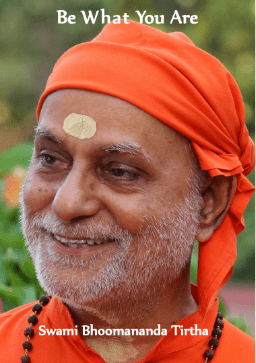
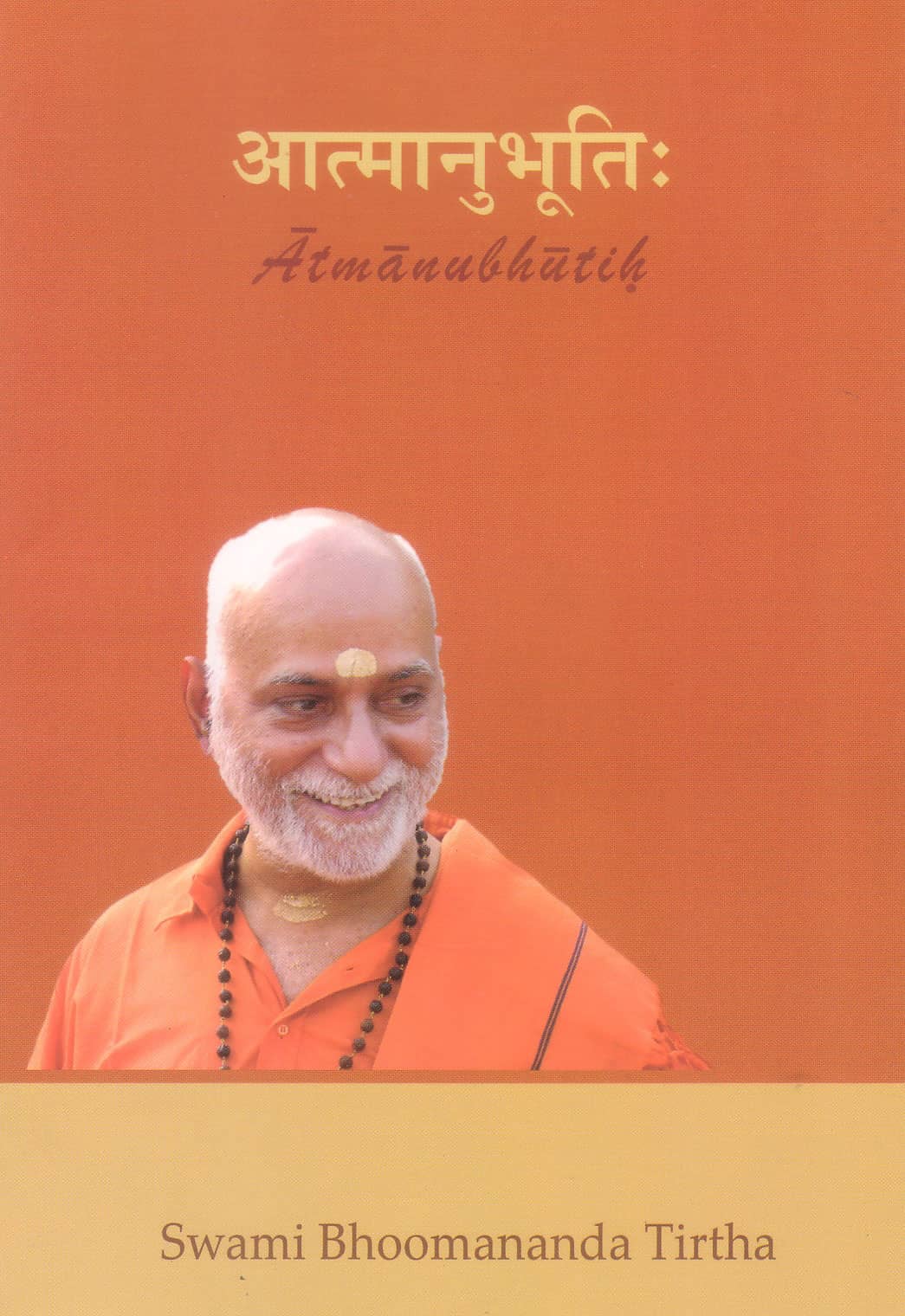
Swami Bhoomananda Tirtha

Commentary
Humans have descended from Manu, hence are called mānavāḥ. Although our embodied life subsists on food, nourishment, economic resources etc., these are but peripheral. Between the mento-intellectual needs and bodily needs, the former are paramount, as the external solely rests on the internal.
Among inner needs, knowledge ranks supreme. True knowledge-seekers and custodians, namely Rishis, warrant great esteem. People worship them with inestimable indebtedness, for, they indeed know the Supreme.
Kashyapa, Atri, Vasishtha, Vishwamitra, Gautama, Jamadagni, Bharadwaja are the seven ancient Rishis. Swayambhuva, Sarochisha, Raivata and Uttama are the four Manus. How aptly Krishna includes Rishis also in the list of the glories of the Self, pertinently adding that they are mind-born. This must persuade every seeker to evaluate the status of even the whole of sentient creation with true discernment.