

Chapter 18: Mokṣa-sannyāsa-yoga: – Liberation, Renunciation and the Supreme SecretVerse 50
सिद्धिं प्राप्तो यथा ब्रह्म तथाप्नोति निबोध मे ।
समासेनैव कौन्तेय निष्ठा ज्ञानस्य या परा ॥
English Transliteration
siddhiṃ prāpto yathā brahma
tathāpnoti nibodha me
samāsenaiva kaunteya
niṣṭhā jñānasya yā parā – 18.50
Translation
Know from me in essence, O son of Kunti, how one, having gained the naishkarmya-siddhi, attains Brahman. This is the ultimate jñāna-niṣṭhā, the exclusive practice of spiritual wisdom.
Chanting Audio
Chapter 18: Mokṣa-sannyāsa-yoga: – Liberation, Renunciation and the Supreme Secret - Verse 50
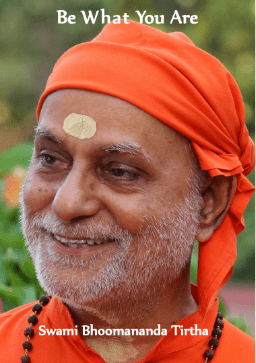
Swami Bhoomananda Tirtha

Commentary
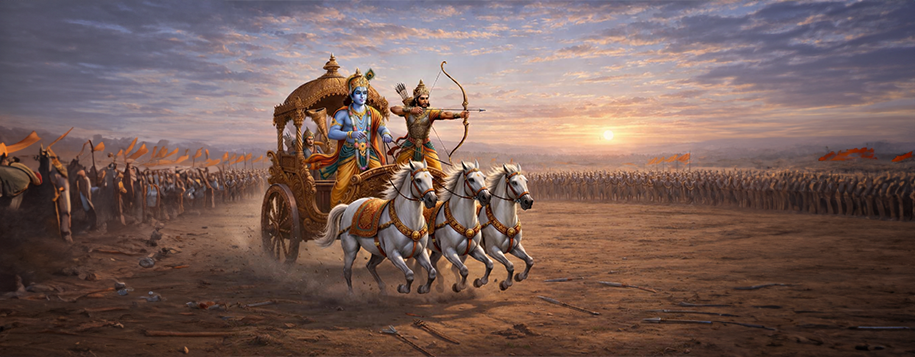
We are approaching the climax of the Krishna-Arjuna dialogue meant to redress Arjuna’s delusion and grief. Krishna presents and clubs three basic concepts here. One is naishkarmya-siddhi or “non-actional fulfilment” he had referred to earlier (3.4). Next comes Brahmic attainment. The third is the ultimate jnāna-nishthā or exclusive pursuit of wisdom.
Naishkarmya-siddhi is the deep inner state, where one feels non-doership, like not doing anything for any purpose at all. The interest in being active secularly or spiritually drops completely, as hinted earlier (3.17,18, 4.23, 5.8, etc.). The dawning of exalted knowledge-maturity makes him feel he has nothing to gain or give.
Such a one is irresistibly driven to the superior jnānanishthā. It is not sannyāsa or anything allied to it; instead it is a display of full inwardness, brought by the wisdom gained by sādhanā, the ultimate outcome involving the whole personality of the seeker.