

Chapter 18: Mokṣa-sannyāsa-yoga: – Liberation, Renunciation and the Supreme SecretVerse 49
असक्तबुद्धि: सर्वत्र जितात्मा विगतस्पृह: ।
नैष्कर्म्यसिद्धिं परमां संन्यासेनाधिगच्छति ॥
English Transliteration
asakta-buddhi: sarvatra
jitātmā vigata-spṛha:
naiṣkarmya-siddhiṃ paramāṃ
sannyāsenādhigacchati – 18.49
Translation
With dis-attached intelligence in all situations, one who is self-regulated and free of cravings, attains the supreme perfection of naishkarmya (non-doership) through sannyāsa (renunciation).
Chanting Audio
Chapter 18: Mokṣa-sannyāsa-yoga: – Liberation, Renunciation and the Supreme Secret - Verse 49
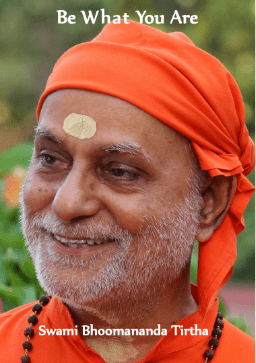
Swami Bhoomananda Tirtha

Commentary
If “one’s activity, though involving evil, should not be abandoned” (18.48), then what happens to the sinfulness involved in its execution? Krishna answers the question in all heartiness and authority.
The dialogue hereafter contains a variety of absolute statements, all of which bear upon life, activity, spiritual pursuit and liberation. The seeker should imbibe deeply the message contained in these. Spiritual excellence sparkles greatly in all of them.
What one does, matters not. How he does it, shapes the performance. Everywhere, in everything, be free from delusional clinging; this is the message Krishna gives to redress and redeem the performer. Have self-control. Foster no desire at all. Then through the very pursuit of action, one will be led to the great spiritual goal of naishkarmya-siddhi (attainment of non-actingness or nondoership), the rarest and highest in spiritual life. What more does one need?
Be an embodiment of spiritual magnificence! Here what counts is not action, but the asa´gatva (absence of delusional clinging) the performer fosters about it.