

Chapter 18: Mokṣa-sannyāsa-yoga: – Liberation, Renunciation and the Supreme SecretVerse 39
यदग्रे चानुबन्धे च सुखं मोहनमात्मन: ।
निद्रालस्यप्रमादोत्थं तत्तामसमुदाहृतम् ॥
English Transliteration
yad-agre cānubandhe ca
sukhaṃ mohanam-ātmana:
nidrālasya-pramādotthaṃ
tat-tāmasam-udāhṛtam – 18.39
Translation
The pleasure (sukha) that deludes one in the beginning as well as in the end, which is born of sleep, lethargy and inattention, is regarded as tāmasa.
Chanting Audio
Chapter 18: Mokṣa-sannyāsa-yoga: – Liberation, Renunciation and the Supreme Secret - Verse 39
Swami Bhoomananda Tirtha

Commentary
In contrast to sāttvika and rājasa sukhas, the tāmasa sukha is perverted, degrading to human dignity and esteem. It binds one by delusion, as mentioned earlier (14.8).
Instead of redressing the suffering by intelligently getting at its very source, the tāmasa minds prefer to be in a state of delusion and stupor, even by resorting to intoxicants and narcotics. They argue that these are gifts of Nature. But these only weaken and destabilize the user. Taking to drugs to escape mental stress is also tāmasa. All these are devastating to the body. Courting excessive sleep and lethargy with the help of drugs, has also the same delusional effect.
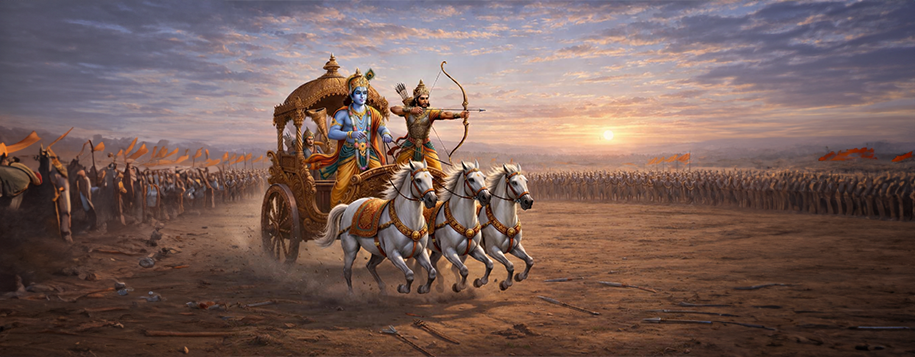
When Arjuna had a total mental and intellectual downfall in Kurukshetra, he sought redress from Krishna. Krishna treated the plight at its very source by providing enlightenment. Arjuna revived himself exemplarily. What a noble, harmless and elevating instance!