

Chapter 18: Mokṣa-sannyāsa-yoga: – Liberation, Renunciation and the Supreme SecretVerse 12
अनिष्टमिष्टं मिश्रं च त्रिविधं कर्मण: फलम् ।
भवत्यत्यागिनां प्रेत्य न तु संन्यासिनां क्वचित् ॥
English Transliteration
aniṣṭam-iṣṭaṃ miśraṃ ca
trividhaṃ karmaṇa: phalam
bhavaty-atyā gināṃ pretya
na tu sannyā sināṃ kvacit – 18.12
Translation
The result of an action is threefold: Desirable, undesirable and mixed. These accrue to the non-relinquishers, but never to the renunciates.
Chanting Audio
Chapter 18: Mokṣa-sannyāsa-yoga: – Liberation, Renunciation and the Supreme Secret - Verse 12
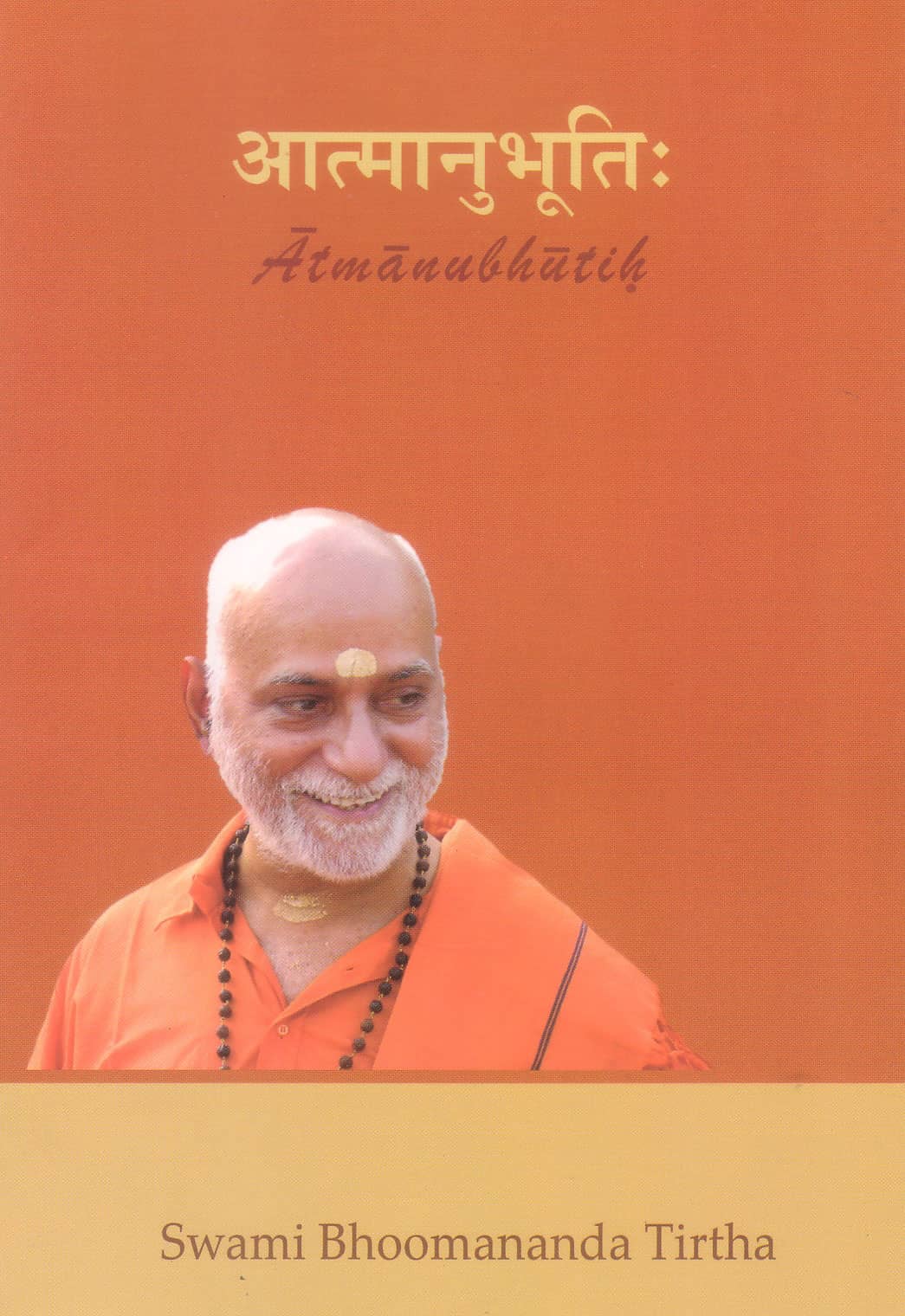
Swami Bhoomananda Tirtha

Commentary
What Krishna refers to as result of action is not the objective outcome of one’s effort, which is inextricably linked to performance. The mind responds to every result, expected or not, feeling it is desirable, undesirable or a mixture of both. Even the thought of the future outcome – whether it will be desirable or undesirable – makes the mind anxious and unsettled.
Every action is an effort to bring about a certain outcome. Without such outcome, no action can be conceived of or undertaken. As an action progresses, its objective result also gets formed. Completion of the action is the emergence of its outcome. Thus action and the objective outcome are inseparable. Where is the question then of abandoning the outcome at all?
Therefore, what Krishna speaks about as relinquishing the result, is only the mental responses to the objective fruition. This subtle distinction should be understood and kept in mind very well while reading Gita.
Krishna says that these subjective outcomes cling only to those who have possessiveness, desire and ego, and not to renunciates.