Chapter 17: Śraddhā-traya-vibhāga-yoga:: Verse 3
श्रीभगवानुवाच ।
त्रिविधा भवति श्रद्धा देहिनां सा स्वभावजा ।
सात्त्विकी राजसी चैव तामसी चेति तां शृणु ॥
सत्त्वानुरूपा सर्वस्य श्रद्धा भवति भारत ।
श्रद्धामयोऽयं पुरुषो यो यच्छ्रद्ध: स एव स: ॥
śrī bhagavān-uvāca
trividhā bhavati śraddhā
dehināṃ sā svabhāvajā
sāttvikī rājasī caiva
tāmasī ceti tāṃ śṛṇu – 17.2
sattvānurūpā sarvasya
śraddhā bhavati bhārata
śraddhāmayo’yaṃ puruṣo
yo yacchraddha: sa eva sa: – 17.3
Lord Krishna said: Śraddhā of the embodied is born of his own inherent nature; it is of three kinds – sāttvika, rājasa and tāmasa. Listen about this.
Śraddhā of all is according to the essence of their being. Man is an embodiment of his śraddhā. Whatever is one’s śraddhā, he verily is that.
Chapter 17: Śraddhā-traya-vibhāga-yoga: - Verse 3
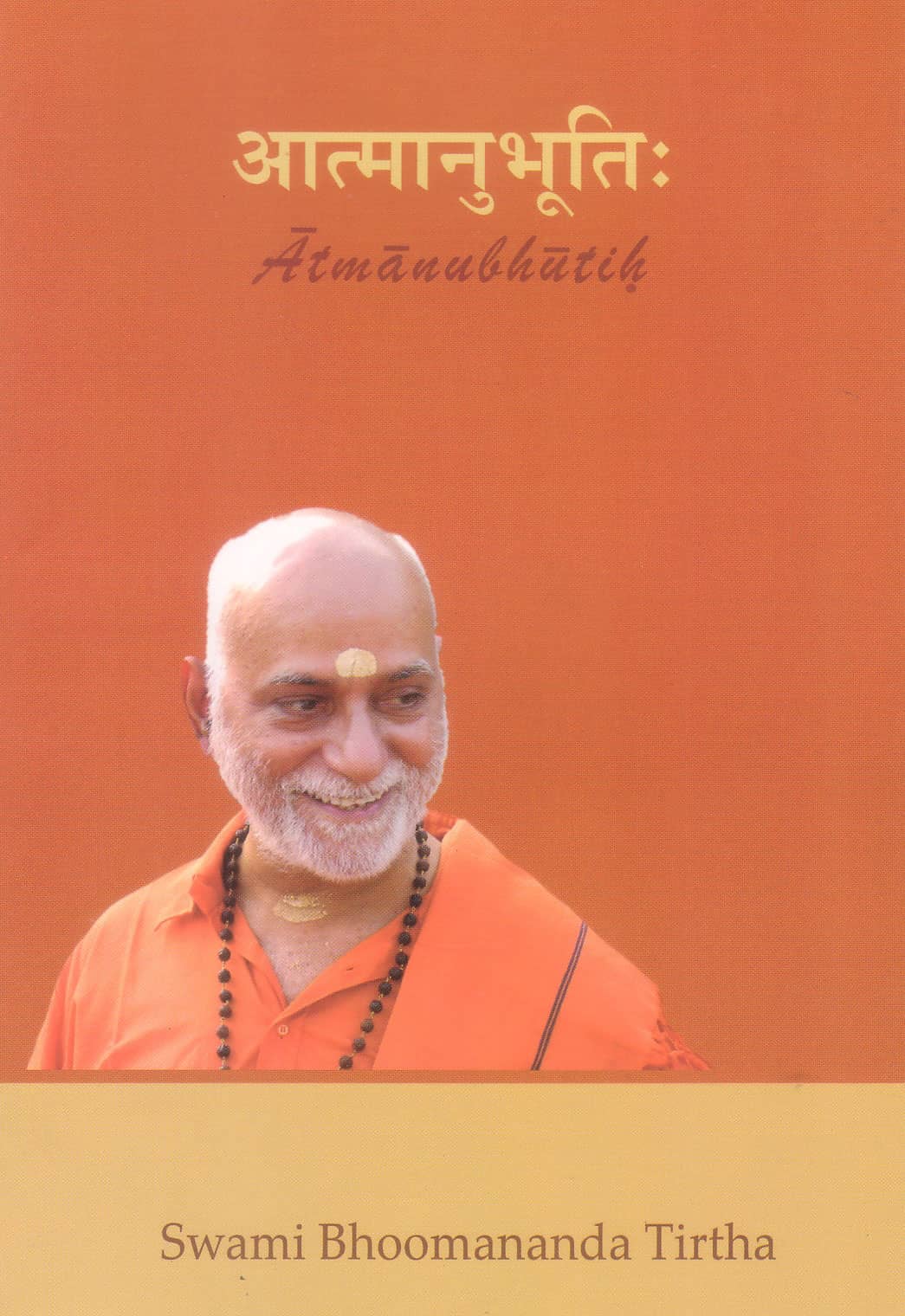
Swami Bhoomananda Tirtha

Śraddhā denotes the assiduous application of one’s mind to a given task. This is inward in character. Śraddhā is of three kinds. Krishna calls them sāttvika, rājasa and tāmasa. Everything in Nature is made up of three gunas – sattva, rajas and tamas. The quality derived from and propelled by sattva, is called sāttvika. That which rajas propels becomes rājasa, and that which is caused by tamas is tāmasa.
Every individual has all the three gunas playing in his personality. But, each has one or the other among the three more prominent or in leading position. It is just like physical features, with which each is born.
But, as we go inward, in the case of mind and intelligence, the freedom and choice for transformation are more. By proper pursuit one can improve and purify the inner faculties with considerable success. That is what makes human life distinct and glorious.
Krishna adds that śraddhā is inseparable from one’s inner being. It is characteristic of the mind, intelligence and ego in each. None can peep into another’s inner being. But from the śraddhā he displays, his inner being can be adduced.
Say, a set of devotees go to a temple and worship. They look at the same deity and do the worship alike. Three of them feel happy that God will fulfil their wish. The remaining five feel their worship was not fruitful. What is the difference between them?
All went to the same shrine, looked at the same deity, spent the same time for praying. Three felt happy and fulfilled but the rest five did not. Physically their effort was the same. But what a striking difference in the outcome each gained!
Obviously it was brought about by an internal invisible factor that shaped their prayer – the śraddhā in each!