

Chapter 17: Śraddhā-traya-vibhāga-yoga: – Character and Values Governed by Three GunasVerse 22
अदेशकाले यद्दानमपात्रेभ्यश्च दीयते ।
असत्कृतमवज्ञातं तत्तामसमुदाहृतम् ॥
English Transliteration
adeśa-kāle yad-dānam-
apātrebhyaś-ca dīyate
asat-kṛtam-avajñātaṃ
tat-tāmasam-udāhṛtam – 17.22
Translation
The dāna given in improper place and time to undeserving people, without due respect and attention, and with contempt, is considered to be tāmasa.
Chanting Audio
Chapter 17: Śraddhā-traya-vibhāga-yoga: – Character and Values Governed by Three Gunas - Verse 22
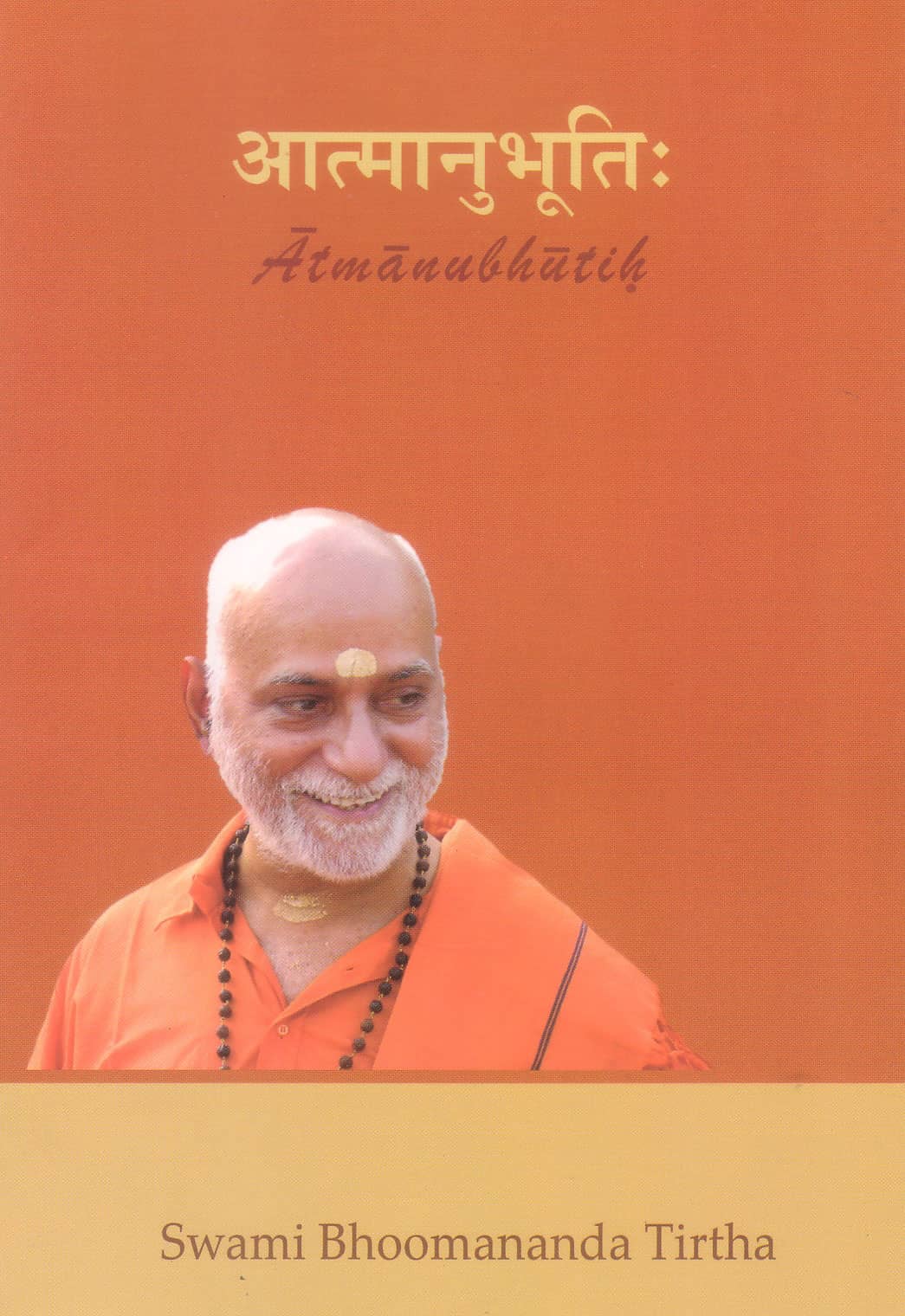
Swami Bhoomananda Tirtha

Commentary
In tāmasa dāna, the degeneration reaches its acme. The giver cares for no discipline, restraint or value in what he does. His moods and whims take over everything else. The giver is averse to considerations like good time, favourable place and deserving recipient. Often he selects the undeserving, a wrong time or place, inviting contempt and ridicule from the gentry.
What makes dāna sacred is its relevance, usefulness and benevolence. When the whole performance is subjected to inattention and neglect, it loses all nobility and sublimity.
How does the human mind host such utterly contrasting notes, making life a constant challenge for one and all? By delineating the effects of all guṇas, Krishna exhorts everyone to reduce rajas and tamas, and enhance sattva guṇa. This done, life becomes most desirable and a blessing to others as well.