Chapter 13: Kshetra-kshetrajna-vibhaga-yoga – Distinction between Object Field and its Knower: Verse 6
महाभूतान्यहङ्कारो बुद्धिरव्यक्तमेव च।
इन्द्रियाणि दशैकं च पञ्च चेन्द्रियगोचरा: ॥
mahā-bhūtāny-ahaṅkāro
buddhiravyaktam-eva ca
indriyāṇi daśaikaṃ ca
pañca cendriya-gocarā: – 13.6
The five subtle elements (space, air, fire, water and earth); then the ego, intelligence, the unmanifest existence (avyakta), the ten organs (of knowledge and action) and the mind; then five objects of sensory perceptions (sound, touch, colour, taste and smell); desire, dislike, pleasantness, unpleasantness, the aggregate-body, consciousness and resolve – these constitute kshetra with its multiple derivatives.
Chapter 13: Kshetra-kshetrajna-vibhaga-yoga – Distinction between Object Field and its Knower - Verse 6
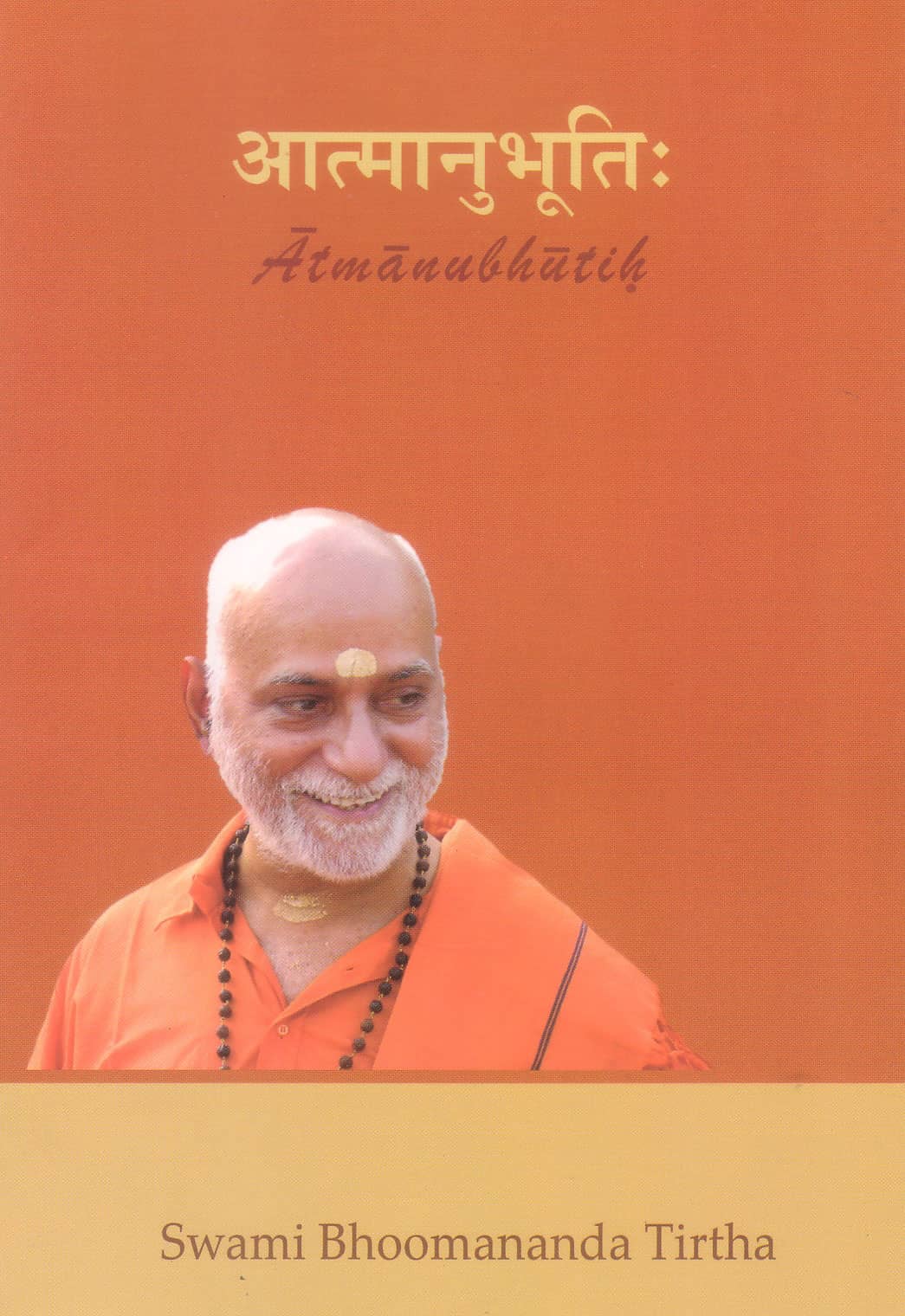
Swami Bhoomananda Tirtha

Explanation of verses 13.6 and 13.7 –
Here Krishna explains the ramifications of creation in a simple manner. What constitute the material world, what constitute our personality, and what is their mutual relationship? All knowledges and their applications are the result of a research-oriented approach and finding. The same qualitative rational approach is necessary in spiritual seeking as well, alludes Krishna. See how he now lists the virtues and excellences that constitute true spiritual wisdom.