Chapter 13: Kshetra-kshetrajna-vibhaga-yoga – Distinction between Object Field and its Knower: Verse 29
समं पश्यन्हि सर्वत्र समवस्थितमीश्वरम्।
न हिनस्त्यात्मनात्मानं ततो याति परां गतिम् ॥
samaṃ paśyan-hi sarvatra
samavasthitam-īśvaram
na hinasty-ātmanātmānaṃ
tato yāti parāṃ gatim – 13.29
Perceiving the Lord as equally present everywhere and in all alike, such a one does not destroy the Self by the self, and hence attains the supreme spiritual state.
Chapter 13: Kshetra-kshetrajna-vibhaga-yoga – Distinction between Object Field and its Knower - Verse 29
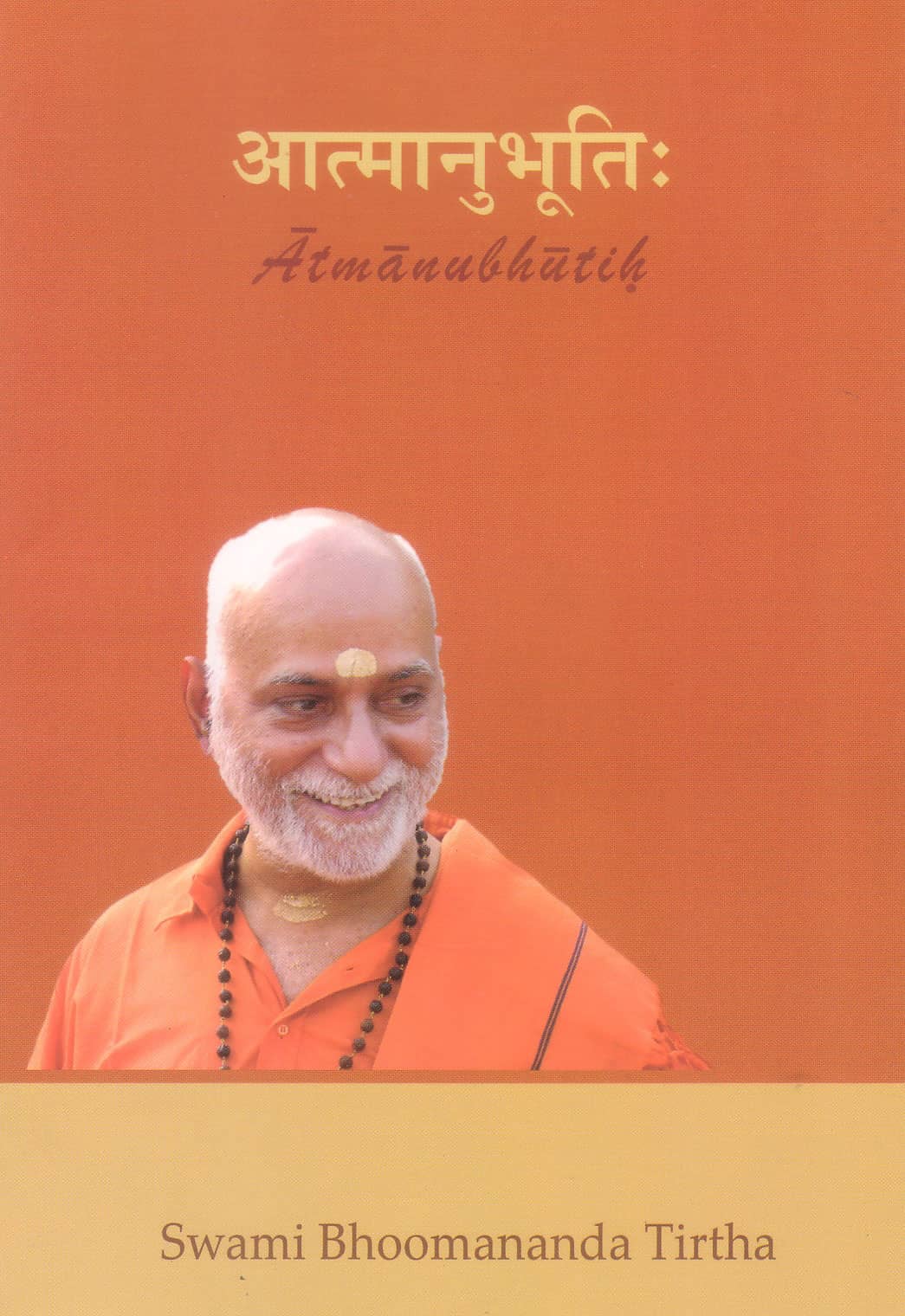
Swami Bhoomananda Tirtha

Explanation of verses 13.28 and 13.29 –
We should not forget the relevance and beginning of this war-field dialogue. Arjuna, the distinguished fighter, came to the battlefield in all enthusiasm and resolve to fight the unprecedented war. At his command, Krishna drove the chariot and stopped it in front of Bheeshma and Drona, to enable Arjuna to inspect the armies and decide upon his strategy for the battle.
The very sight of relatives, grandfather and teachers unnerved Arjuna totally. Saying he would not fight, he laid his weapons down, and sat, unable to stand. Four and a half million fighters had assembled there – all were to kill or to be killed. Arjuna could not contain the consequences of the impending war.
Krishna did not allow this. He began exhorting Arjuna in very powerful terms, to redeem him from his fear, apprehension and delusion. Krishna keeps that trend throughout.
Stripped of its limited relevance to the war, Krishna’s instruction relates to life and activities as a whole, where such questions, doubts and delusions may assail the mind. That is why Krishna reveals the whole philosophy of existence, life and its implications, providing sufficient clarity to resolve all the problems.
Krishna thus makes it absolutely clear that nothing in the world, is without the imperishable Soul. This one thought should insulate anyone from all kinds of negativity and fear of destruction. That the Soul is imperishable is the first message Krishna gave right in the beginning (2.12,19,21).
The vision becomes full and absolute, when one finds the presence of the Supreme in everything big and small. Be sure that the supreme Reality alone is, all the time everywhere, no matter whether it is an ant or an elephant.
One has also to realize that the essential being or existence is the same everywhere. It is different from the material body. The material part does not constrict or encase that being. The being remains the same, absolute, untouched by material limitation and fragmentation.
This feeling of indestructibility reigns so well and fully in the Knower that nothing in the world affects him the least. It is because of the fact that all beings are primarily the imperishable in multifarious expressions. In that a large variety of conditions, plights and fates reign. Birth, growth, decline and death do feature. Besides these, killing of various kinds also have a place, involving amazing levels and degrees of seeming cruelty.
Cruelty in humans compels one to evaluate it variously. But what about cruelty in non-humans, especially what the animals resort to for the sake of their own food and nourishment?
When the situation is well probed into, one cannot escape the fact that all this is the display of Prakrti, Nature, which does not affect Purusha, which is indestructible! Such a perception alone redresses all grief, doubt, and sense of loss or destruction!