

Chapter 18: Mokṣa-sannyāsa-yoga: – Liberation, Renunciation and the Supreme SecretVerse 29-30
बुद्धेर्भेदं धृतेश्चैव गुणतस्त्रिविधं शृणु ।
प्रोच्यमानमशेषेण पृथक्त्वेन धनञ्जय ॥
English Transliteration
buddher-bhedaṃ dhṛteścaiva
guṇatas-trividhaṃ śṛṇu
procyamānam-aśeṣeṇa
pṛthaktvena dhanañjaya – 18.29
प्रवृत्तिं च निवृत्तिं च कार्याकार्ये भयाभये ।
बन्धं मोक्षं च या वेत्ति बुद्धि: सा पार्थ सात्त्विकी ॥
English Transliteration
pravṛttiṃ ca nivṛttiṃ ca
kāryākārye bhayābhaye
bandhaṃ mokṣaṃ ca yā vetti
buddhi: sā pārtha sāttvikī – 18.30
Translation
O Dhananjaya, listen to what is going to be told unreservedly and severally, about the three-fold distinction caused by the guṇas in intelligence and will.
O Partha, that intelligence, which is able to distinguish between ‘involvemental action’ and ‘freedom from action’,
what is ‘to be done’ and ‘not to be done’, what is ‘to be feared’ and wherein lies ‘fearlessness’, what is ‘bondage’ and where lies ‘liberation’, is sāttvika.
Chanting Audio
Chapter 18: Mokṣa-sannyāsa-yoga: – Liberation, Renunciation and the Supreme Secret - Verse 29
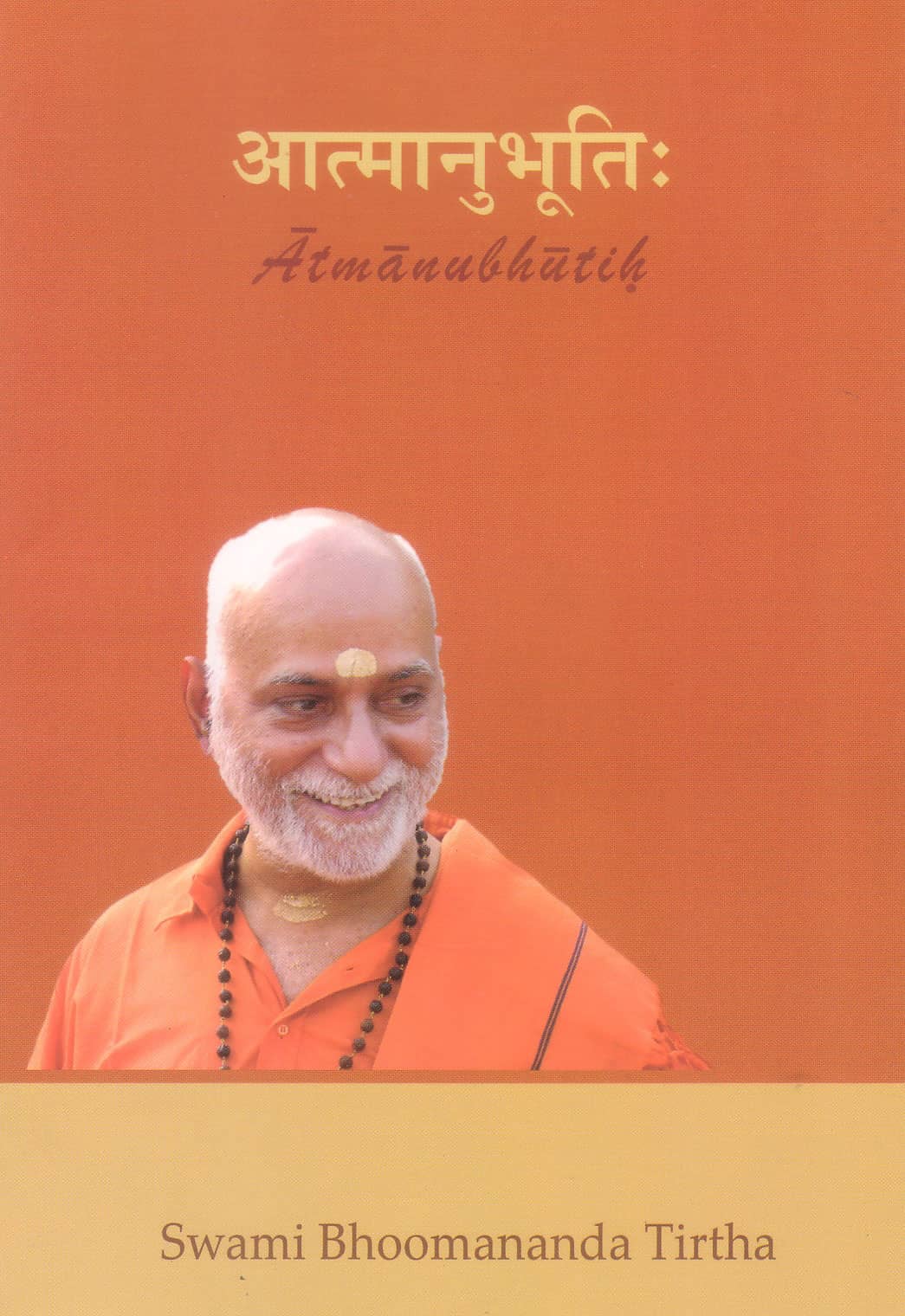
Swami Bhoomananda Tirtha

Commentary
Krishna enters into a very delicate explanation on how even the intelligence, noted for its rationality and penetration, is subject to the triple notes gunas generate. Intelligence can reason wrongly or rightly according to its own tendencies. A preconceived notion may condition its effort, and lead to harmful and dangerous assessments and conclusions. Therefore, great care and caution are necessary.
To understand anything in detail is one thing. But to follow that knowledge and implement it faithfully in thought, word and deed is altogether different. The second part comes under will (dhrti). The threefold distinction gunas bring about is also applicable to will. Krishna wants everyone to understand the intricacies of human psyche and cultivate the right kind of ingenuity. It is a very rare discussion, providing immense benefit not only to the seeker but to all concerned.
Pravrtti, actional involvement, and nivrtti, its reverse, namely withdrawal from action, dis-involvement, are two basic spiritual concepts to be clearly understood. So too bondage and freedom. How to be fearless in place of fearful, also needs to be known and pursued distinctly by the intelligence.
It is a cultural reformation the intelligence has to undergo to be truly enlightened and effective. Sāttvika quality implies illumination and strength the intelligence imbibes, whereby it is able to gain the desired clarity and excellence during interactional life. Finally the intelligence must efficiently discern where lies bondage and what leads to liberation.
Earlier in the 4th chapter, Krishna had taken up an analysis of what is karma (action), and what constitutes akarma (non-action) (4.17,18). This is in a way an extension therefrom.