

Chapter 18: Mokṣa-sannyāsa-yoga: – Liberation, Renunciation and the Supreme SecretVerse 8
दु:खमित्येव यत्कर्म कायक्लेशभयात्त्यजेत् ।
स कृत्वा राजसं त्यागं नैव त्यागफलं लभेत् ॥
English Transliteration
du:kham-ity-eva yat-karma
kāya-kleśa-bhayāt-tyajet
sa kṛtvā rājasaṃ tyāgaṃ
naiva tyāga-phalaṃ labhet – 18.8
Translation
To abandon activities fearing that they will cause bodily strain and discomfort, is rājasa-tyāga, and by doing it one will not get the benefit of true relinquishment.
Chanting Audio
Chapter 18: Mokṣa-sannyāsa-yoga: – Liberation, Renunciation and the Supreme Secret - Verse 8
Swami Bhoomananda Tirtha

Commentary
Renunciation is very sublime, divine and spiritual. It should not be linked to any other note or objective. One who takes to renunciation will generally have the sole object of inner elevation, expansion and enlightenment, which bestow utmost freedom, called liberation. Spiritual freedom is from the shackles caused by mind and intelligence.
Being so, to bring ideas like avoiding bodily strain, affliction, etc. as a persuasion for renunciation, is a folly. Nonetheless, people often resort to renunciation thinking that the activities are troublesome.
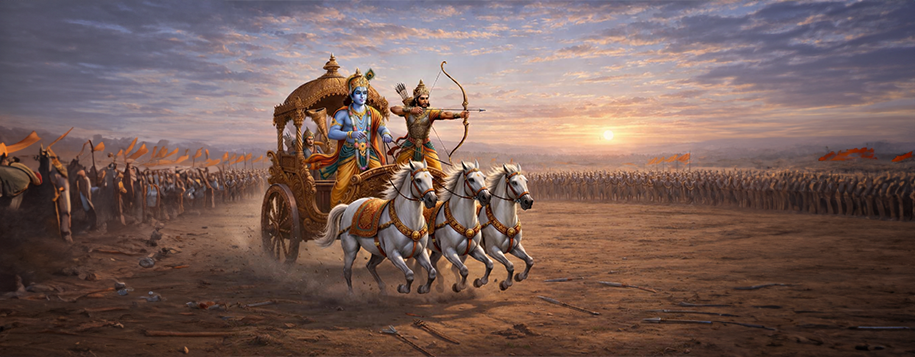
In fact, Arjuna’s initial response was like this. He found battling with his own relatives, grandfather and teacher too painful. And the escape, he felt, was to renounce the entire scene and mission. Krishna felt it was gravely wrong and admonished him. Arjuna responded, reflected upon what Krishna said and changed his stand. The renunciation Arjuna had proposed was rajasa.