Resources

Swami Bhoomananda Tirtha
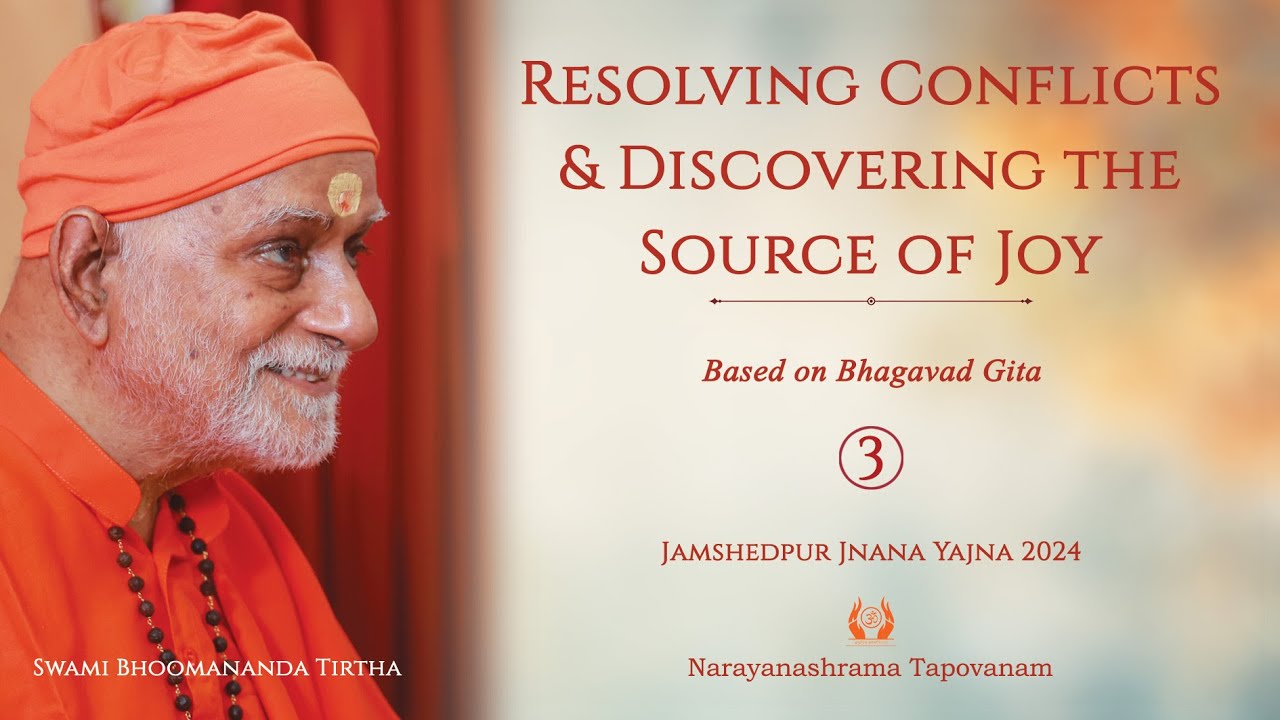
235 – Resolving Conflicts & Discovering the Source of Joy – 3 I Swami Bhoomananda Tirtha
945 Views | 9 months ago

 Add to Favorites
 Add to Playlist
Day 3 of 5-Day lecture series by Poojya Swamiji based on Bhagavad Gita during 58th Jamshedpur Jnana Yajna.
17 November 2024
CIRD Jamshedpur
In this series of talks, Swamiji explains that every human being faces conflicts in life, which result in sorrow or grief. The conflict may be caused by various external situations, but the conflict arises in the mind and the solution can be found only by the intelligence. Whenever there is grief, the intelligence must probe and analyze the grief.
In the battlefield of Kurukshetra, Arjuna was faced with the gravest of conflicts—he had to fight with his own beloved grandfather, teacher, and relatives. His mind became gripped by grief, thinking that he would be the cause of the death of his own kith and kin. In response, Sri Krishna expounded the Truth about the Self. The body is perishable, but the Self within is eternal and never goes out of existence.
What is the truth about death? There are many transformations that take place in the life of man. The first transformation is the emergence from the womb, which is followed by childhood, boyhood, youth, old age and finally death. So, death is the final transformation. Death is a transition or a transformation, not extinction. Wise people do not grieve over death.
Life comes with a lot of troubles, torments, and conflicts. Bhagavad Gita defines life and shows us how to deal with life situations properly. The entire life is a contact between the senses and the objects of the world, and the contact produces only two mental experiences or impacts-sukha or duhkha. They come and go and are impermanent. Using his own intelligence, discrimination, the seeker must be able to forbear them.
One who is not unduly afflicted by the sukha-duhkhas, who treats sukha and duhkha alike (with Samatva), becomes fit for liberation. When one cultivates and practices evenness, he has won over the entire creation. Swamiji emphasizes that Samatva is the greatest quality that a human should aspire for and attain. He also urges the listeners to introspect on the fact that the source of joy is within. A seeker must delve within and derive joy from within.
Shlokas chanted in the Satsang:
20:15 - देहिनोऽस्मिन्यथा देहे कौमारं यौवनं जरा…. Bhagavad Gita 2.13
32:42 - मात्रास्पर्शास्तु कौन्तेय शीतोष्णसुखदु:खदा: ... Bhagavad Gita 2.14
47:22 - यं हि न व्यथयन्त्येते पुरुषं.... Bhagavad Gita 2.15
57:05 - इहैव तैर्जित: सर्गो येषां साम्ये...Bhagavad Gita 5.19
1:00:23 - अत्र मां मृगयन्त्यद्धा युक्ता... Srimad Bhagavatam 11.7.23
1:01:08 - समतया मतया गुणशालिनां पुरुषराडिह... Yogavasishtha Ramayana 2.15.20
Website: www.bhoomananda.org/
Email: services@bhoomananda.org
Facebook: www.facebook.com/narayanashrama.tapovanam/
Pinterest: in.pinterest.com/bhoomanandafoundation/
Instagram: www.instagram.com/bhoomanandafoundation/
Tumblr: www.tumblr.com/swamibhoomanandatirtha
Linkedin: www.linkedin.com/in/bhoomananda-foundation/recent-activity/all/
Publications: vedanticwisdom.com/shop/ (Email: bookstore@vedanticwisdom.com)
Whatsapp: +91 8547960362
Subscribe to our newsletter: www.bhoomananda.org/#freeeservices-form
About us:
Narayanashrama Tapovanam, an Ashram located in Thrissur, Kerala, embodies the unique tradition of Guru-shishya Parampara, disseminating Brahmavidya (Science of Self-knowledge) through regular classes, satsangs, and above all, through learning in the association of a realized spiritual master.

Swami Bhoomananda Tirtha
247 – Discovering the Potential of Your Mind and Intelligence I Swami Bhoomananda Tirtha




most popular

Swami Bhoomananda Tirtha
സുഖമരണം സാധിയ്ക്കുന്നതെങ്ങനെ? | Swami Bhoomananda Tirtha
- 50382 Views
- 5 months ago

Swami Bhoomananda Tirtha
148 – അയോധ്യയിലെ രാമക്ഷേത്രത്തിൽ നടന്ന പ്രാണപ്രതിഷ്ഠ | By Swami Bhoomananda Tirtha
- 45997 Views
- 2 years ago

Swami Bhoomananda Tirtha
01 – Vishnusahasranama – Swami Bhoomananda Tirtha – Genesis and Significance of Vishnusahasranama
- 42648 Views
- 12 years ago
from the ashram diary
Anna-Daana for mice
Those days, there were many rats staying in various pockets of the tiled roof. My room had a very low ceiling and I could even touch the roof tiles. At night, I would see big, big rats running around just near me.
Eternal Moments
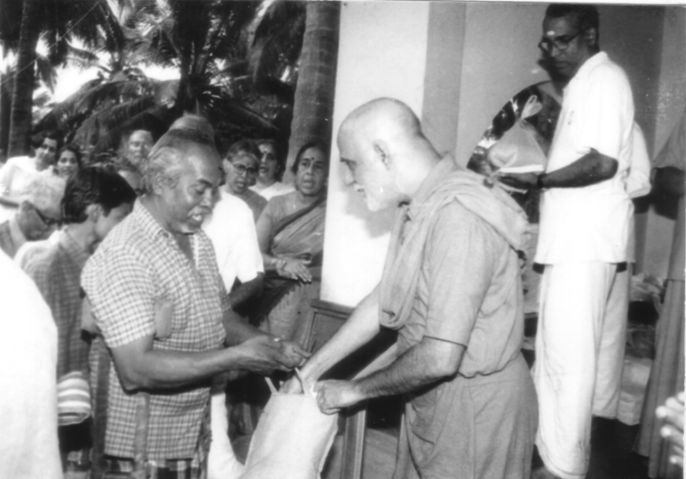
I got back to my daily chores, but the scene remained in my mind – the old man’s wrinkled face, his gleaming eyes, the contentment he enjoyed, his refusal to accept more than ‘his minimum needs’! How many of us can take such a stand?
Eternal Moments--A simple offering
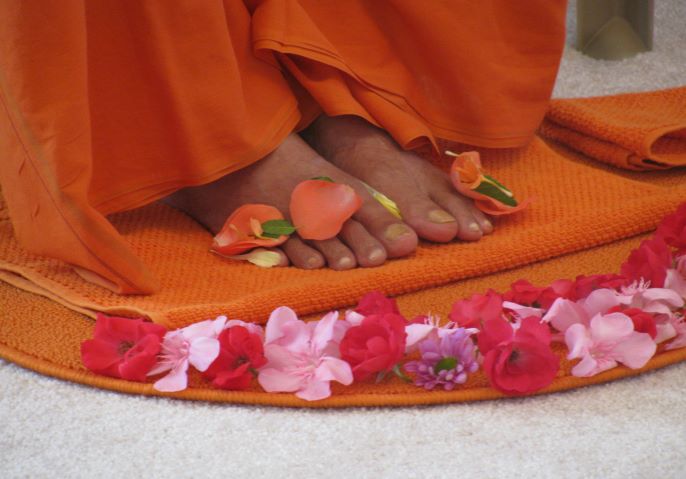
Bhakti is not so much in the worship with flowers, garlands, lamps or incense sticks. Neither it is in chanting His names and praises. It is verily in living and acting according to the wish of the Lord, pleasing Him, imbibing qualities and attitudes that He wants us to imbibe.
Audios
Enrich Every Day with Bhagavad Gita
Swami Bhoomananda Tirtha


The Path of Enquiry in Sadhana
Swami Bhoomananda Tirtha
Be Faithful to Deeksha Sadhana
Swami Bhoomananda Tirtha
Sadhana is a Pursuit for the Mind, not Reaching a Goal
Swami Bhoomananda Tirtha
How to Introspect On a Verse
Swami Bhoomananda Tirtha
Happiness and Misery are expressions of The Self
Swami Bhoomananda Tirtha